Install SoundCarrot
Add it to your home screen for quick access.
Listened
In progress
If you translate “Hello! How are you?” to binary code, it looks like this: 01001000 01100101 01101100 01101100 01101111 00100001 00100000 01001000 01101111 01110111 00100000 01100001 01110010 01100101 00100000 01111001 01101111 01110101 00111111
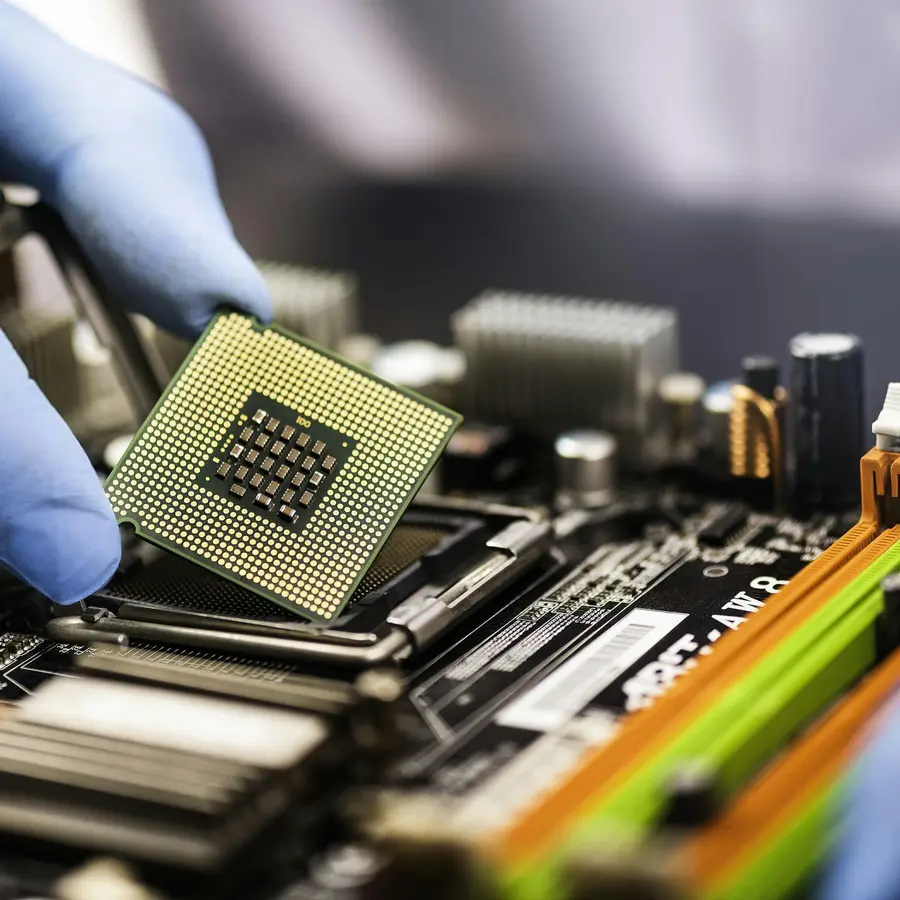
This episode takes a look at how computers can do so much with such tiny parts. But computers weren't always small -- so we take a look at where computers came from. We visit Ada Lovelace, whose love of math and weaving paved the way for modern-day computers. And we hear about the material that let computers shrink from the size of a room to something that fits in our pockets. There’s also a visit from a yak and a ram, but you’re just going to have to listen to find out why.
If you translate “Hello! How are you?” to binary code, it looks like this: 01001000 01100101 01101100 01101100 01101111 00100001 00100000 01001000 01101111 01110111 00100000 01100001 01110010 01100101 00100000 01111001 01101111 01110101 00111111
This episode takes a look at how computers can do so much with such tiny parts. But computers weren't always small -- so we take a look at where computers came from. We visit Ada Lovelace, whose love of math and weaving paved the way for modern-day computers. And we hear about the material that let computers shrink from the size of a room to something that fits in our pockets. There’s also a visit from a yak and a ram, but you’re just going to have to listen to find out why.
All that plus a new Mystery Sound and Moment of Um that answers the question: what is the flavor of root beer?
This episode is sponsored by
Mathnasium (Mathnasium.com) and Sun Basket (sunbasket.com promo code: brains on)
See omnystudio.com/listener for privacy information.
QUICK LINKS
This is an episodic podcast, so you can listen to it in any order, but episode one is a great place to start.
Listen to episode one hereIf you translate “Hello! How are you?” to binary code, it looks like this: 01001000 01100101 01101100 01101100 01101111 00100001 00100000 01001000 01101111 01110111 00100000 01100001 01110010 01100101 00100000 01111001 01101111 01110101 00111111
This episode takes a look at how computers can do so much with such tiny parts. But computers weren't always small -- so we take a look at where computers came from. We visit Ada Lovelace, whose love of math and weaving paved the way for modern-day computers. And we hear about the material that let computers shrink from the size of a room to something that fits in our pockets. There’s also a visit from a yak and a ram, but you’re just going to have to listen to find out why.
All that plus a new Mystery Sound and Moment of Um that answers the question: what is the flavor of root beer?
This episode is sponsored by
Mathnasium (Mathnasium.com) and Sun Basket (sunbasket.com promo code: brains on)
See omnystudio.com/listener for privacy information.
Sound Carrot is your source for Family Podcast Discovery. Verified awesome, 0% boring.
Distraction free website, no flashing banners or adverts to steal your attention.
(Some shows do contain their own ads however).
At first I made this site for my kids, but like any dad I got a little over excited. I hope you find it as useful as they do.
Whether you want to listen to them together in the car, or alone in your room - the content is all safe for younger ears.