Install SoundCarrot
Add it to your home screen for quick access.
Listened
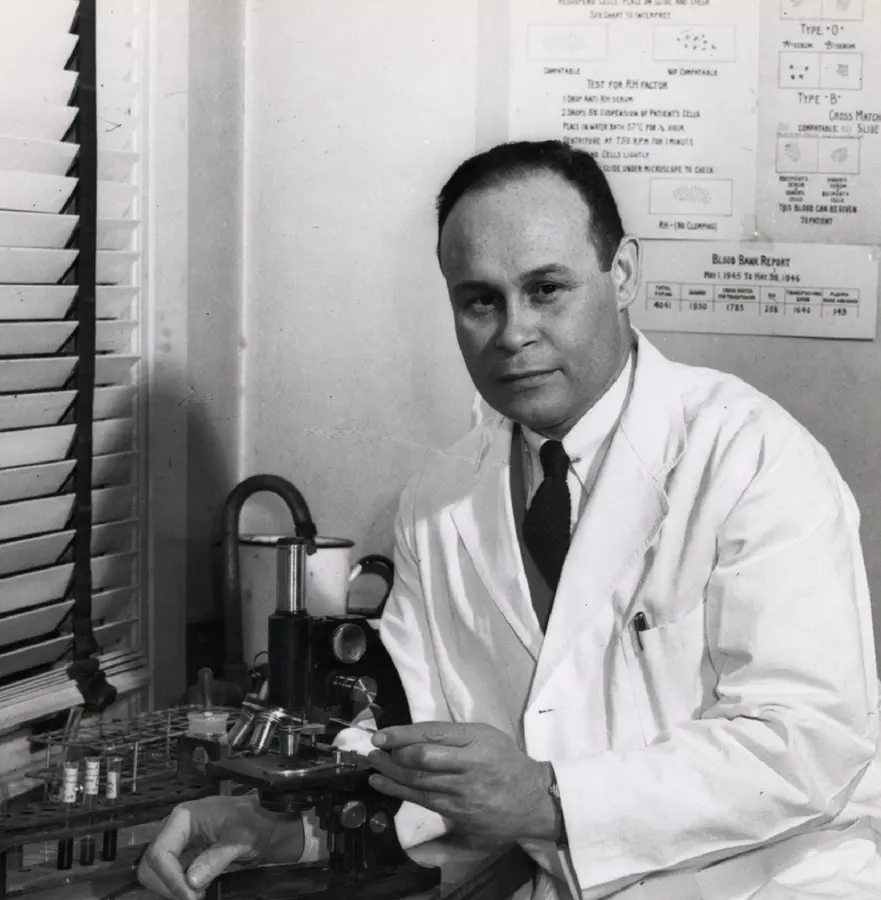
Who made modern blood banks possible? The answer is Dr. Charles Richard Drew, a pioneering physician, scientist, and educator whose groundbreaking research transformed emergency medicine and has saved millions of lives around the world.
In this episode of Once Upon a Time in Black History, host Tamara Shiloh explores the extraordinary life of the man known as the "Father of the Blood Bank." From overcoming racial barriers to revolutionizing the collection, storage, and transportation of blood plasma during World War II, Dr. Drew's scientific achievements forever changed the practice of medicine.
Who made modern blood banks possible? The answer is Dr. Charles Richard Drew, a pioneering physician, scientist, and educator whose groundbreaking research transformed emergency medicine and has saved millions of lives around the world.
In this episode of Once Upon a Time in Black History, host Tamara Shiloh explores the extraordinary life of the man known as the "Father of the Blood Bank." From overcoming racial barriers to revolutionizing the collection, storage, and transportation of blood plasma during World War II, Dr. Drew's scientific achievements forever changed the practice of medicine.
You'll also learn how he courageously challenged racial discrimination in healthcare, mentored a new generation of Black physicians, and left behind a legacy that continues to save lives every day.
Join us for the inspiring story of a medical pioneer whose brilliance, integrity, and compassion changed history—one life at a time.
Visit Multicultural Bookstore & Gifts at www.multiculturalbookstore.com for books and resources celebrating Black history, culture, and the remarkable people who shaped our world.
#BlackHistory #CharlesDrew #BloodBank #MedicalHistory #BlackExcellence #AfricanAmericanHistory #STEM #CivilRights #Podcast #HistoryPodcast
QUICK LINKS
This is an episodic podcast, so you can listen to it in any order, but episode one is a great place to start.
Listen to episode one hereWho made modern blood banks possible? The answer is Dr. Charles Richard Drew, a pioneering physician, scientist, and educator whose groundbreaking research transformed emergency medicine and has saved millions of lives around the world.
In this episode of Once Upon a Time in Black History, host Tamara Shiloh explores the extraordinary life of the man known as the "Father of the Blood Bank." From overcoming racial barriers to revolutionizing the collection, storage, and transportation of blood plasma during World War II, Dr. Drew's scientific achievements forever changed the practice of medicine.
You'll also learn how he courageously challenged racial discrimination in healthcare, mentored a new generation of Black physicians, and left behind a legacy that continues to save lives every day.
Join us for the inspiring story of a medical pioneer whose brilliance, integrity, and compassion changed history—one life at a time.
Visit Multicultural Bookstore & Gifts at www.multiculturalbookstore.com for books and resources celebrating Black history, culture, and the remarkable people who shaped our world.
#BlackHistory #CharlesDrew #BloodBank #MedicalHistory #BlackExcellence #AfricanAmericanHistory #STEM #CivilRights #Podcast #HistoryPodcast
Sound Carrot is your source for Family Podcast Discovery. Verified awesome, 0% boring.
Distraction free website, no flashing banners or adverts to steal your attention.
(Some shows do contain their own ads however).
At first I made this site for my kids, but like any dad I got a little over excited. I hope you find it as useful as they do.
Whether you want to listen to them together in the car, or alone in your room - the content is all safe for younger ears.