Install SoundCarrot
Add it to your home screen for quick access.
Listened
In progress
Pancreatic cancer is notoriously difficult to treat, and about 90% of diagnosed patients die from the disease. A team at Memorial Sloan Kettering has been working to improve those outcomes by developing a new mRNA vaccine for pancreatic cancer.
A few years ago, the team embarked on a small trial to test the vaccine’s safety. Sixteen patients with pancreatic cancer received it, and even though it was a small study, the results were promising: Half the participants had an immune response, and in those patients the cancer hadn’t relapsed after 18 months.
Pancreatic cancer is notoriously difficult to treat, and about 90% of diagnosed patients die from the disease. A team at Memorial Sloan Kettering has been working to improve those outcomes by developing a new mRNA vaccine for pancreatic cancer.
A few years ago, the team embarked on a small trial to test the vaccine’s safety. Sixteen patients with pancreatic cancer received it, and even though it was a small study, the results were promising: Half the participants had an immune response, and in those patients the cancer hadn’t relapsed after 18 months.
This week, the team released a new study in Nature following those same patients, and found six out of eight who responded to the vaccine in the first study did not have their cancer return more than three years later.
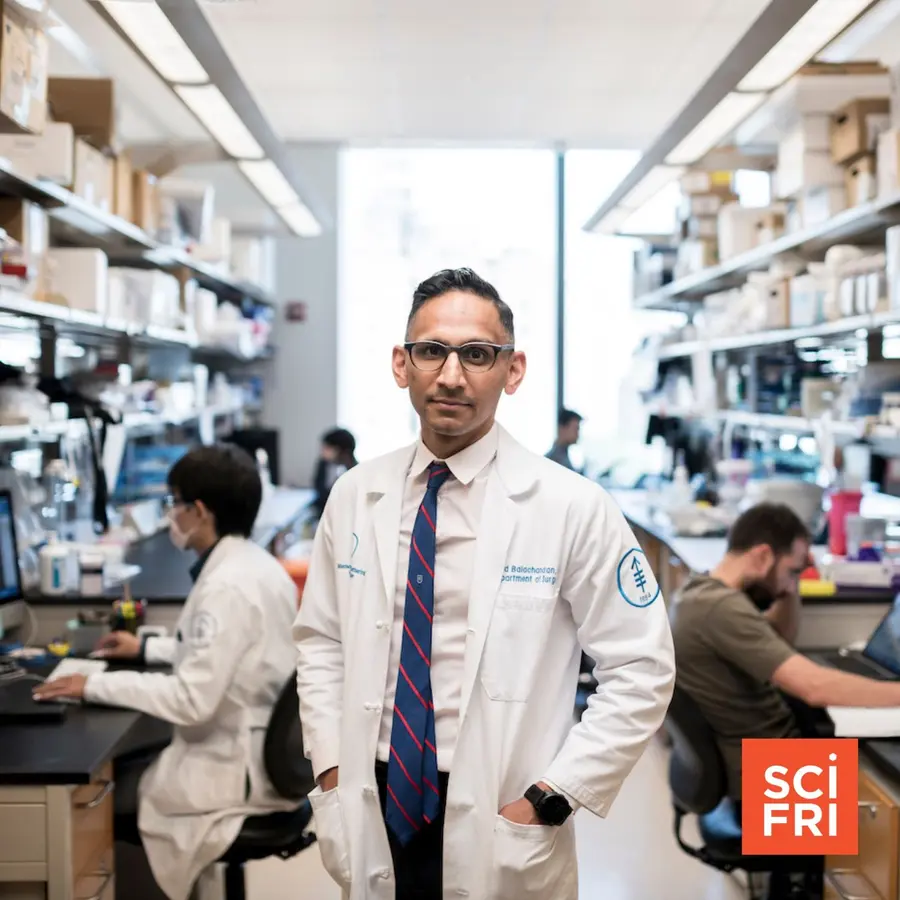
Joining host Flora Lichtman to talk about these results, and what they could mean for the future of cancer treatment, is study author and surgeon Dr. Vinod Balachandran, director of The Olayan Center for Cancer Vaccines at Memorial Sloan Kettering, based in New York City.
Transcripts for each segment will be available after the show airs on sciencefriday.com.
Subscribe to this podcast. Follow our show on Instagram, TikTok, Facebook, and Bluesky @scifri and sign up for our newsletters. Got a science question that’s keeping you up at night? Call us: 877-472-4374
Hosted by Simplecast, an AdsWizz company. See pcm.adswizz.com for information about our collection and use of personal data for advertising.
QUICK LINKS

This is an episodic podcast, so you can listen to it in any order, but episode one is a great place to start.
Listen to episode one herePancreatic cancer is notoriously difficult to treat, and about 90% of diagnosed patients die from the disease. A team at Memorial Sloan Kettering has been working to improve those outcomes by developing a new mRNA vaccine for pancreatic cancer.
A few years ago, the team embarked on a small trial to test the vaccine’s safety. Sixteen patients with pancreatic cancer received it, and even though it was a small study, the results were promising: Half the participants had an immune response, and in those patients the cancer hadn’t relapsed after 18 months.
This week, the team released a new study in Nature following those same patients, and found six out of eight who responded to the vaccine in the first study did not have their cancer return more than three years later.
Joining host Flora Lichtman to talk about these results, and what they could mean for the future of cancer treatment, is study author and surgeon Dr. Vinod Balachandran, director of The Olayan Center for Cancer Vaccines at Memorial Sloan Kettering, based in New York City.
Transcripts for each segment will be available after the show airs on sciencefriday.com.
Subscribe to this podcast. Follow our show on Instagram, TikTok, Facebook, and Bluesky @scifri and sign up for our newsletters. Got a science question that’s keeping you up at night? Call us: 877-472-4374
Hosted by Simplecast, an AdsWizz company. See pcm.adswizz.com for information about our collection and use of personal data for advertising.
Sound Carrot is your source for Family Podcast Discovery. Verified awesome, 0% boring.
Distraction free website, no flashing banners or adverts to steal your attention.
(Some shows do contain their own ads however).
At first I made this site for my kids, but like any dad I got a little over excited. I hope you find it as useful as they do.
Whether you want to listen to them together in the car, or alone in your room - the content is all safe for younger ears.