Install SoundCarrot
Add it to your home screen for quick access.
Listened
In progress
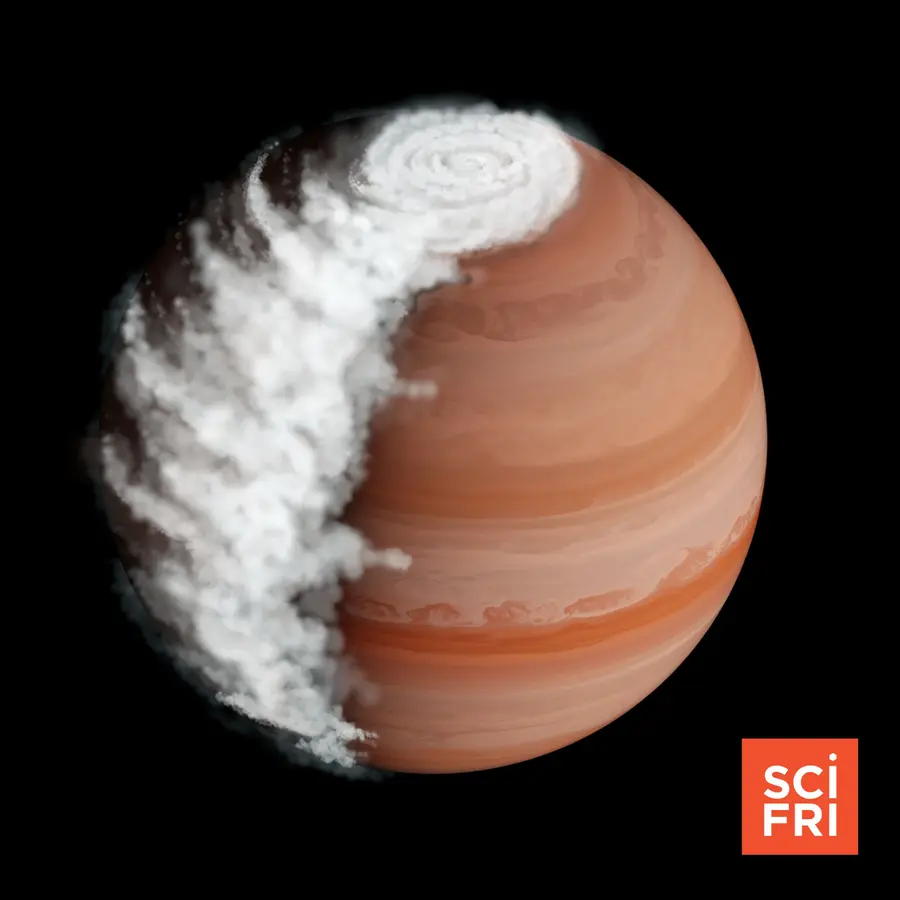
Astronomers using the James Webb Space Telescope have observed clouds on a hot gas giant exoplanet called WASP-94A b, some 700 light-years away. But these clouds aren’t your usual wisps of water vapor—they’re vaporized sand. Astronomer David Sing joins Host Flora Lichtman to describe the planetary weather, and how the researchers were able to observe it.
Then, ecologist Elske Tielens joins Flora to describe how ecologists using weather radar data counted the insects aloft in U.S. skies: around 100 trillion of them on an average summer day.
Astronomers using the James Webb Space Telescope have observed clouds on a hot gas giant exoplanet called WASP-94A b, some 700 light-years away. But these clouds aren’t your usual wisps of water vapor—they’re vaporized sand. Astronomer David Sing joins Host Flora Lichtman to describe the planetary weather, and how the researchers were able to observe it.
Then, ecologist Elske Tielens joins Flora to describe how ecologists using weather radar data counted the insects aloft in U.S. skies: around 100 trillion of them on an average summer day.
Guests:
Dr. David Sing is a Bloomberg Distinguished Professor of Earth and Planetary Sciences at Johns Hopkins University.
Dr. Elske Tielens is an ecologist with the Swiss Federal Institute for Forest, Snow and Landscape Research.
Other episodes you may enjoy:
How Insects Changed The World—And Human Cultures
Not Just Dying Stars: A Black Hole That Came From Gas
Transcripts for each episode are available within 1-3 days at sciencefriday.com.
Subscribe to this podcast. Follow our show on Instagram, TikTok, Facebook, and Bluesky @scifri and sign up for our newsletters. Got a science question that’s keeping you up at night? Call us: 877-472-4374
Hosted by Simplecast, an AdsWizz company. See pcm.adswizz.com for information about our collection and use of personal data for advertising.
QUICK LINKS

This is an episodic podcast, so you can listen to it in any order, but episode one is a great place to start.
Listen to episode one hereAstronomers using the James Webb Space Telescope have observed clouds on a hot gas giant exoplanet called WASP-94A b, some 700 light-years away. But these clouds aren’t your usual wisps of water vapor—they’re vaporized sand. Astronomer David Sing joins Host Flora Lichtman to describe the planetary weather, and how the researchers were able to observe it.
Then, ecologist Elske Tielens joins Flora to describe how ecologists using weather radar data counted the insects aloft in U.S. skies: around 100 trillion of them on an average summer day.
Guests:
Dr. David Sing is a Bloomberg Distinguished Professor of Earth and Planetary Sciences at Johns Hopkins University.
Dr. Elske Tielens is an ecologist with the Swiss Federal Institute for Forest, Snow and Landscape Research.
Other episodes you may enjoy:
How Insects Changed The World—And Human Cultures
Not Just Dying Stars: A Black Hole That Came From Gas
Transcripts for each episode are available within 1-3 days at sciencefriday.com.
Subscribe to this podcast. Follow our show on Instagram, TikTok, Facebook, and Bluesky @scifri and sign up for our newsletters. Got a science question that’s keeping you up at night? Call us: 877-472-4374
Hosted by Simplecast, an AdsWizz company. See pcm.adswizz.com for information about our collection and use of personal data for advertising.
Sound Carrot is your source for Family Podcast Discovery. Verified awesome, 0% boring.
Distraction free website, no flashing banners or adverts to steal your attention.
(Some shows do contain their own ads however).
At first I made this site for my kids, but like any dad I got a little over excited. I hope you find it as useful as they do.
Whether you want to listen to them together in the car, or alone in your room - the content is all safe for younger ears.