Install SoundCarrot
Add it to your home screen for quick access.
Listened
In progress
A recent study simulated the extreme temperatures and pressure of the Earth’s interior by squeezing a sample between diamonds and heating it with a laser. In those simulations, researchers found that the Earth’s core may contain vast amounts of hydrogen, locked away in alloys with iron and silicon. Planetary scientist Anat Shahar joins Host Ira Flatow to discuss what this tells us about how the planet formed, and where water on Earth may have come from.
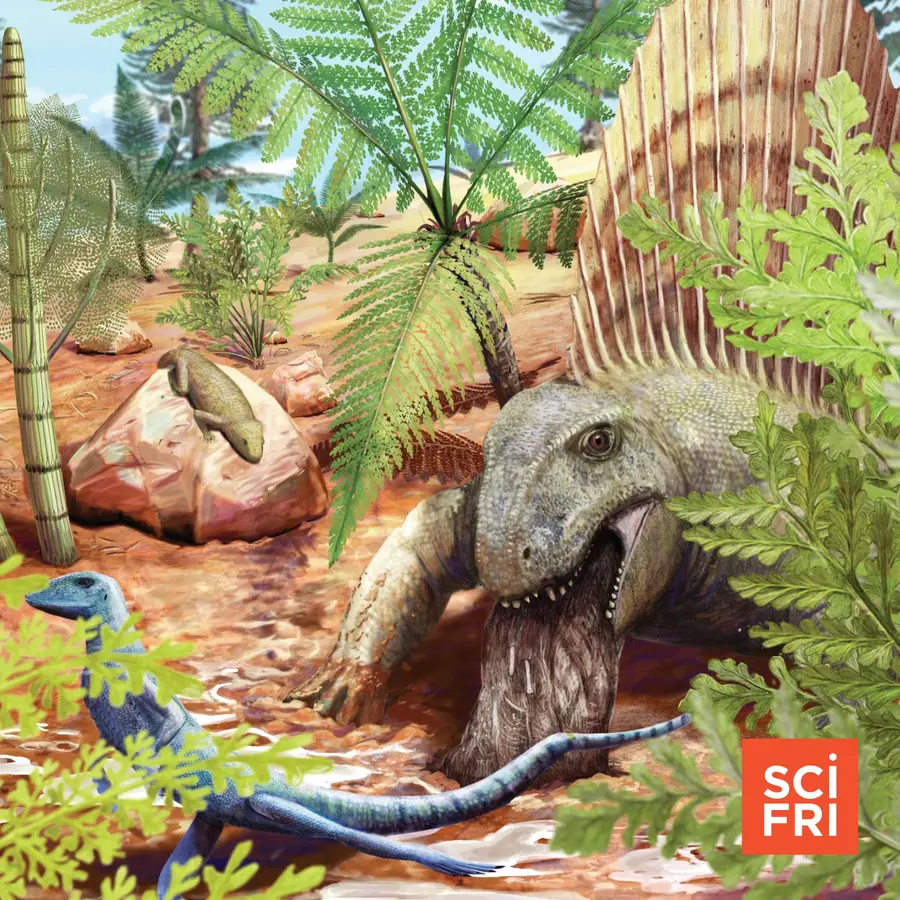
Then, another kind of deep history: Paleontologist Arnaud Rebillard introduces Host Flora Lichtman to “regurgitalite”—fossilized vomit. Rebillard studied a sample of regurgitalite some 50 million years older than the dinosaurs.
A recent study simulated the extreme temperatures and pressure of the Earth’s interior by squeezing a sample between diamonds and heating it with a laser. In those simulations, researchers found that the Earth’s core may contain vast amounts of hydrogen, locked away in alloys with iron and silicon. Planetary scientist Anat Shahar joins Host Ira Flatow to discuss what this tells us about how the planet formed, and where water on Earth may have come from.
Then, another kind of deep history: Paleontologist Arnaud Rebillard introduces Host Flora Lichtman to “regurgitalite”—fossilized vomit. Rebillard studied a sample of regurgitalite some 50 million years older than the dinosaurs.
Guests:
Dr. Anat Shahar is a planetary scientist, and vice president for research at the Carnegie Institution for Science in Washington, D.C.
Arnaud Rebillard is a PhD candidate in paleontology at the Natural History Museum of Berlin.
Other episodes you may enjoy:
Could Underground Hydrogen Reserves Put Clean Energy Within Reach?
A Reptile’s Baffling Backfin And The Math Of Dashing Dinos
Want SciFri gear? Check out our new shop!
The transcript for this episode is available at sciencefriday.com.
Subscribe to this podcast. Follow our show on Instagram, TikTok, Facebook, and Bluesky @scifri and sign up for our newsletters. Got a science question that’s keeping you up at night? Call us: 877-472-4374
Hosted by Simplecast, an AdsWizz company. See pcm.adswizz.com for information about our collection and use of personal data for advertising.
QUICK LINKS

This is an episodic podcast, so you can listen to it in any order, but episode one is a great place to start.
Listen to episode one hereA recent study simulated the extreme temperatures and pressure of the Earth’s interior by squeezing a sample between diamonds and heating it with a laser. In those simulations, researchers found that the Earth’s core may contain vast amounts of hydrogen, locked away in alloys with iron and silicon. Planetary scientist Anat Shahar joins Host Ira Flatow to discuss what this tells us about how the planet formed, and where water on Earth may have come from.
Then, another kind of deep history: Paleontologist Arnaud Rebillard introduces Host Flora Lichtman to “regurgitalite”—fossilized vomit. Rebillard studied a sample of regurgitalite some 50 million years older than the dinosaurs.
Guests:
Dr. Anat Shahar is a planetary scientist, and vice president for research at the Carnegie Institution for Science in Washington, D.C.
Arnaud Rebillard is a PhD candidate in paleontology at the Natural History Museum of Berlin.
Other episodes you may enjoy:
Could Underground Hydrogen Reserves Put Clean Energy Within Reach?
A Reptile’s Baffling Backfin And The Math Of Dashing Dinos
Want SciFri gear? Check out our new shop!
The transcript for this episode is available at sciencefriday.com.
Subscribe to this podcast. Follow our show on Instagram, TikTok, Facebook, and Bluesky @scifri and sign up for our newsletters. Got a science question that’s keeping you up at night? Call us: 877-472-4374
Hosted by Simplecast, an AdsWizz company. See pcm.adswizz.com for information about our collection and use of personal data for advertising.
Sound Carrot is your source for Family Podcast Discovery. Verified awesome, 0% boring.
Distraction free website, no flashing banners or adverts to steal your attention.
(Some shows do contain their own ads however).
At first I made this site for my kids, but like any dad I got a little over excited. I hope you find it as useful as they do.
Whether you want to listen to them together in the car, or alone in your room - the content is all safe for younger ears.