Install SoundCarrot
Add it to your home screen for quick access.
Listened
In progress
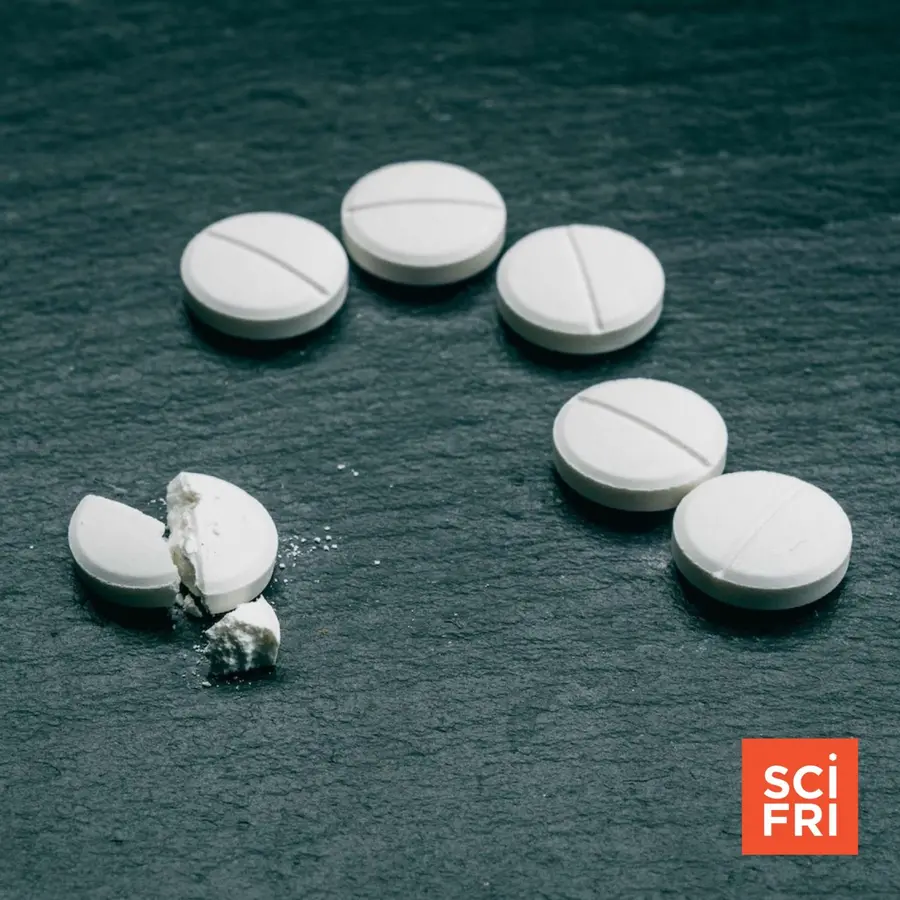
Last month, the first psychedelic therapy treatment came before the Food and Drug Administration for a vote. It entailed using MDMA, also known as ecstasy or molly, to treat PTSD.
MDMA therapy has looked promising as a treatment for PTSD and other mental health conditions in some studies. But the FDA scientific advisory panel that evaluated this treatment voted overwhelmingly against approving it.
Last month, the first psychedelic therapy treatment came before the Food and Drug Administration for a vote. It entailed using MDMA, also known as ecstasy or molly, to treat PTSD.
MDMA therapy has looked promising as a treatment for PTSD and other mental health conditions in some studies. But the FDA scientific advisory panel that evaluated this treatment voted overwhelmingly against approving it.
Many of the arguments against approval had less to do with MDMA itself than with the methodology of the clinical trials done by Lykos Therapeutics, formerly the Multidisciplinary Association for Psychedelic Studies, or MAPS. The FDA panel was presented with allegations of misconduct and incongruous data, including a letter by trial participant Sarah McNamee.
McNamee, who joined the trial for treatment of PTSD, is also a licensed psychotherapist and researcher of trauma and psychotherapy at McGill University in Montreal. She joins guest host Rachel Feltman alongside Dr. Eiko Fried, a methodologist and psychologist at Leiden University in the Netherlands, to discuss the decision.
If you or someone you know is struggling with PTSD or other mental health conditions, call 988 for the suicide and crisis lifeline.
Transcripts for each segment will be available after the show airs on sciencefriday.com.
Subscribe to this podcast. Follow our show on Instagram, TikTok, Facebook, and Bluesky @scifri and sign up for our newsletters. Got a science question that’s keeping you up at night? Call us: 877-472-4374
Hosted by Simplecast, an AdsWizz company. See pcm.adswizz.com for information about our collection and use of personal data for advertising.
QUICK LINKS
This is an episodic podcast, so you can listen to it in any order, but episode one is a great place to start.
Listen to episode one hereLast month, the first psychedelic therapy treatment came before the Food and Drug Administration for a vote. It entailed using MDMA, also known as ecstasy or molly, to treat PTSD.
MDMA therapy has looked promising as a treatment for PTSD and other mental health conditions in some studies. But the FDA scientific advisory panel that evaluated this treatment voted overwhelmingly against approving it.
Many of the arguments against approval had less to do with MDMA itself than with the methodology of the clinical trials done by Lykos Therapeutics, formerly the Multidisciplinary Association for Psychedelic Studies, or MAPS. The FDA panel was presented with allegations of misconduct and incongruous data, including a letter by trial participant Sarah McNamee.
McNamee, who joined the trial for treatment of PTSD, is also a licensed psychotherapist and researcher of trauma and psychotherapy at McGill University in Montreal. She joins guest host Rachel Feltman alongside Dr. Eiko Fried, a methodologist and psychologist at Leiden University in the Netherlands, to discuss the decision.
If you or someone you know is struggling with PTSD or other mental health conditions, call 988 for the suicide and crisis lifeline.
Transcripts for each segment will be available after the show airs on sciencefriday.com.
Subscribe to this podcast. Follow our show on Instagram, TikTok, Facebook, and Bluesky @scifri and sign up for our newsletters. Got a science question that’s keeping you up at night? Call us: 877-472-4374
Hosted by Simplecast, an AdsWizz company. See pcm.adswizz.com for information about our collection and use of personal data for advertising.
Sound Carrot is your source for Family Podcast Discovery. Verified awesome, 0% boring.
Distraction free website, no flashing banners or adverts to steal your attention.
(Some shows do contain their own ads however).
At first I made this site for my kids, but like any dad I got a little over excited. I hope you find it as useful as they do.
Whether you want to listen to them together in the car, or alone in your room - the content is all safe for younger ears.