Install SoundCarrot
Add it to your home screen for quick access.
Listened
In progress
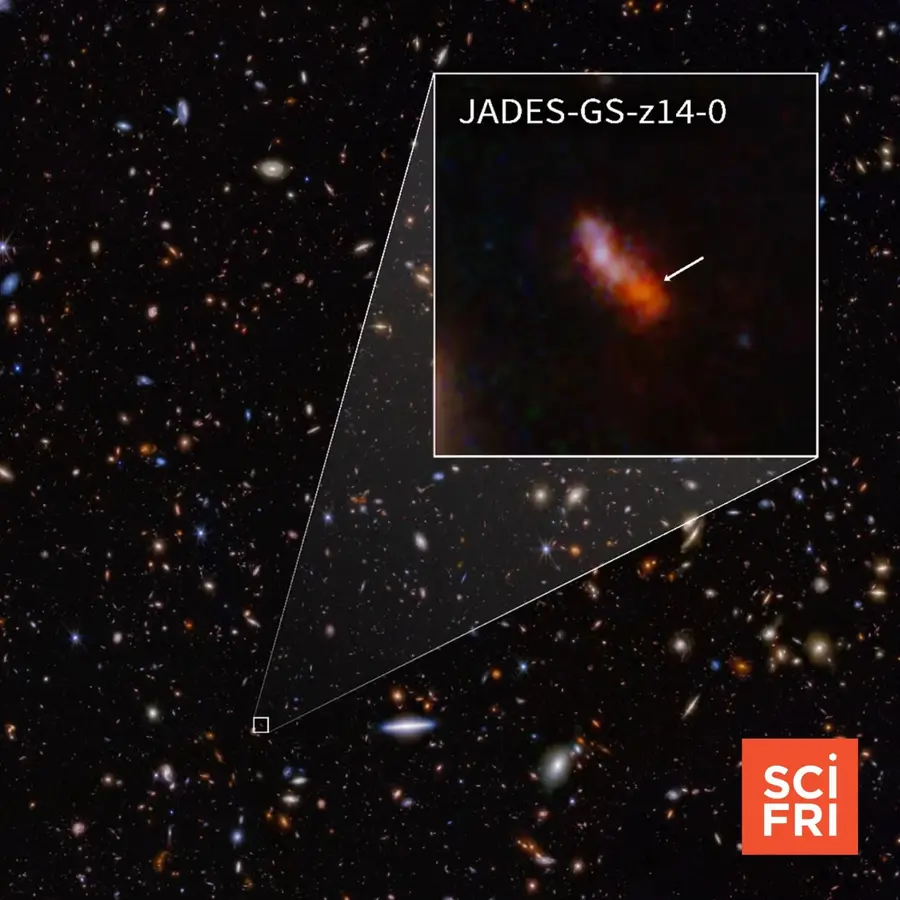
Astrophysicists may have spotted evidence for “dark stars,” an unusual type of star that could possibly have existed in the earliest days of the universe, in data from the James Webb Space Telescope. Instead of being powered by nuclear fusion as current stars are, the controversial theory says that these ancient dark stars would have formed by mixing a huge cloud of hydrogen and helium with a type of self-annihilating dark matter.
Astrophysicists Katherine Freese, who first proposed the idea of dark stars in 2007, and Cosmin Ilie, who detected the possible signs of the dark stars, join Host Ira Flatow to discuss the theory.
Astrophysicists may have spotted evidence for “dark stars,” an unusual type of star that could possibly have existed in the earliest days of the universe, in data from the James Webb Space Telescope. Instead of being powered by nuclear fusion as current stars are, the controversial theory says that these ancient dark stars would have formed by mixing a huge cloud of hydrogen and helium with a type of self-annihilating dark matter. Dark stars would not have been dark—researchers believe that if they existed, they would actually have been bigger and brighter than current stars.
Astrophysicists Katherine Freese, who first proposed the idea of dark stars in 2007, and Cosmin Ilie, who detected the possible signs of the dark stars, join Host Ira Flatow to discuss the theory.
Guests:
Dr. Katherine Freese is a theoretical astrophysicist and a professor of physics at the University of Texas at Austin.
Dr. Cosmin Ilie is an assistant professor of physics and astronomy at Colgate University.
Transcripts for each episode are available within 1-3 days at sciencefriday.com.
Subscribe to this podcast. Follow our show on Instagram, TikTok, Facebook, and Bluesky @scifri and sign up for our newsletters. Got a science question that’s keeping you up at night? Call us: 877-472-4374
Hosted by Simplecast, an AdsWizz company. See pcm.adswizz.com for information about our collection and use of personal data for advertising.
QUICK LINKS
This is an episodic podcast, so you can listen to it in any order, but episode one is a great place to start.
Listen to episode one hereAstrophysicists may have spotted evidence for “dark stars,” an unusual type of star that could possibly have existed in the earliest days of the universe, in data from the James Webb Space Telescope. Instead of being powered by nuclear fusion as current stars are, the controversial theory says that these ancient dark stars would have formed by mixing a huge cloud of hydrogen and helium with a type of self-annihilating dark matter. Dark stars would not have been dark—researchers believe that if they existed, they would actually have been bigger and brighter than current stars.
Astrophysicists Katherine Freese, who first proposed the idea of dark stars in 2007, and Cosmin Ilie, who detected the possible signs of the dark stars, join Host Ira Flatow to discuss the theory.
Guests:
Dr. Katherine Freese is a theoretical astrophysicist and a professor of physics at the University of Texas at Austin.
Dr. Cosmin Ilie is an assistant professor of physics and astronomy at Colgate University.
Transcripts for each episode are available within 1-3 days at sciencefriday.com.
Subscribe to this podcast. Follow our show on Instagram, TikTok, Facebook, and Bluesky @scifri and sign up for our newsletters. Got a science question that’s keeping you up at night? Call us: 877-472-4374
Hosted by Simplecast, an AdsWizz company. See pcm.adswizz.com for information about our collection and use of personal data for advertising.
Sound Carrot is your source for Family Podcast Discovery. Verified awesome, 0% boring.
Distraction free website, no flashing banners or adverts to steal your attention.
(Some shows do contain their own ads however).
At first I made this site for my kids, but like any dad I got a little over excited. I hope you find it as useful as they do.
Whether you want to listen to them together in the car, or alone in your room - the content is all safe for younger ears.