Install SoundCarrot
Add it to your home screen for quick access.
Listened
In progress
In cancer research, the “seed and soil” hypothesis posits that the tumor is like a seed of misbehaving cells taking root in the body. Whether it grows—and where it grows—depends on the conditions, or soil. Since this hypothesis was proposed more than 100 years ago, most research and treatments have focused on the seed, or tumor.
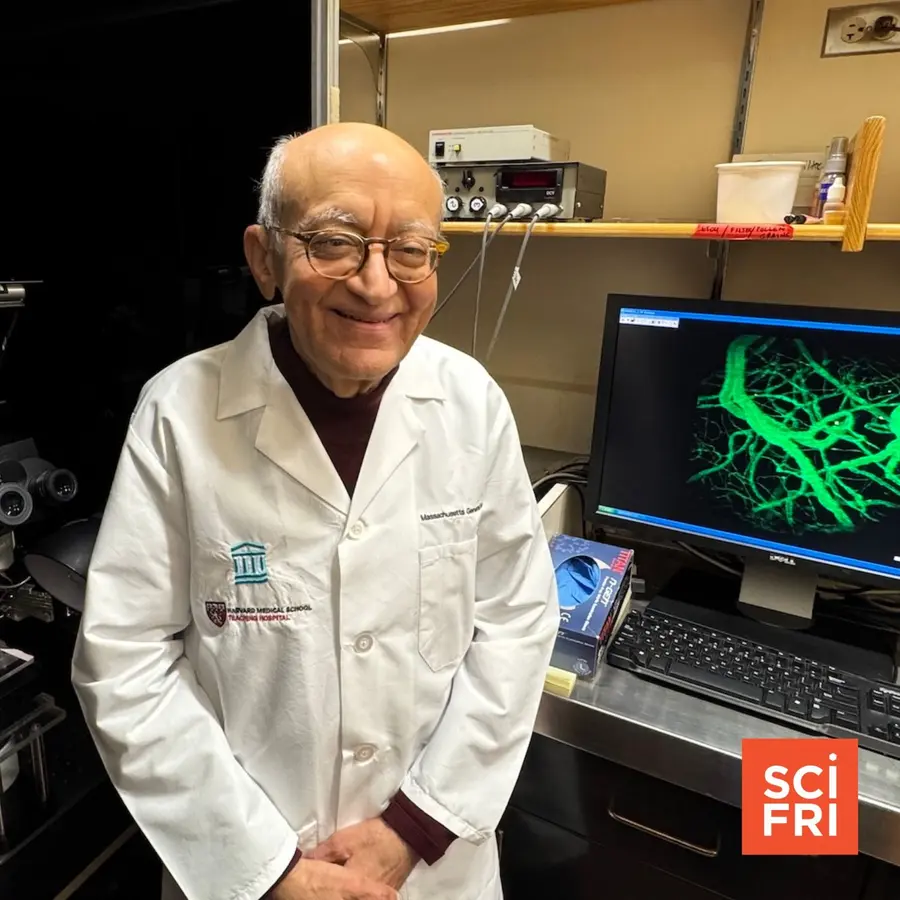
For nearly 50 years, Rakesh Jain has been studying the soil. But in a seed-focused field, his work was seen as wasteful and radical. Now, that very same research has led to seven FDA-approved treatments for diseases including lung and liver cancer, and earned him a National Medal of Science in 2016. Host Flora Lichtman talks with Jain about how his fringe idea led to lifesaving cancer treatments.
In cancer research, the “seed and soil” hypothesis posits that the tumor is like a seed of misbehaving cells taking root in the body. Whether it grows—and where it grows—depends on the conditions, or soil. Since this hypothesis was proposed more than 100 years ago, most research and treatments have focused on the seed, or tumor.
For nearly 50 years, Rakesh Jain has been studying the soil. But in a seed-focused field, his work was seen as wasteful and radical. Now, that very same research has led to seven FDA-approved treatments for diseases including lung and liver cancer, and earned him a National Medal of Science in 2016. Host Flora Lichtman talks with Jain about how his fringe idea led to lifesaving cancer treatments.
Guest: Dr. Rakesh K. Jain studies the biology of tumors at Harvard Medical School and Massachusetts General Hospital as a professor of radiation oncology.
Transcripts for each episode are available within 1-3 days at sciencefriday.com.
Subscribe to this podcast. Follow our show on Instagram, TikTok, Facebook, and Bluesky @scifri and sign up for our newsletters. Got a science question that’s keeping you up at night? Call us: 877-472-4374
Hosted by Simplecast, an AdsWizz company. See pcm.adswizz.com for information about our collection and use of personal data for advertising.
QUICK LINKS
This is an episodic podcast, so you can listen to it in any order, but episode one is a great place to start.
Listen to episode one hereIn cancer research, the “seed and soil” hypothesis posits that the tumor is like a seed of misbehaving cells taking root in the body. Whether it grows—and where it grows—depends on the conditions, or soil. Since this hypothesis was proposed more than 100 years ago, most research and treatments have focused on the seed, or tumor.
For nearly 50 years, Rakesh Jain has been studying the soil. But in a seed-focused field, his work was seen as wasteful and radical. Now, that very same research has led to seven FDA-approved treatments for diseases including lung and liver cancer, and earned him a National Medal of Science in 2016. Host Flora Lichtman talks with Jain about how his fringe idea led to lifesaving cancer treatments.
Guest: Dr. Rakesh K. Jain studies the biology of tumors at Harvard Medical School and Massachusetts General Hospital as a professor of radiation oncology.
Transcripts for each episode are available within 1-3 days at sciencefriday.com.
Subscribe to this podcast. Follow our show on Instagram, TikTok, Facebook, and Bluesky @scifri and sign up for our newsletters. Got a science question that’s keeping you up at night? Call us: 877-472-4374
Hosted by Simplecast, an AdsWizz company. See pcm.adswizz.com for information about our collection and use of personal data for advertising.
Sound Carrot is your source for Family Podcast Discovery. Verified awesome, 0% boring.
Distraction free website, no flashing banners or adverts to steal your attention.
(Some shows do contain their own ads however).
At first I made this site for my kids, but like any dad I got a little over excited. I hope you find it as useful as they do.
Whether you want to listen to them together in the car, or alone in your room - the content is all safe for younger ears.