Install SoundCarrot
Add it to your home screen for quick access.
Listened
In progress
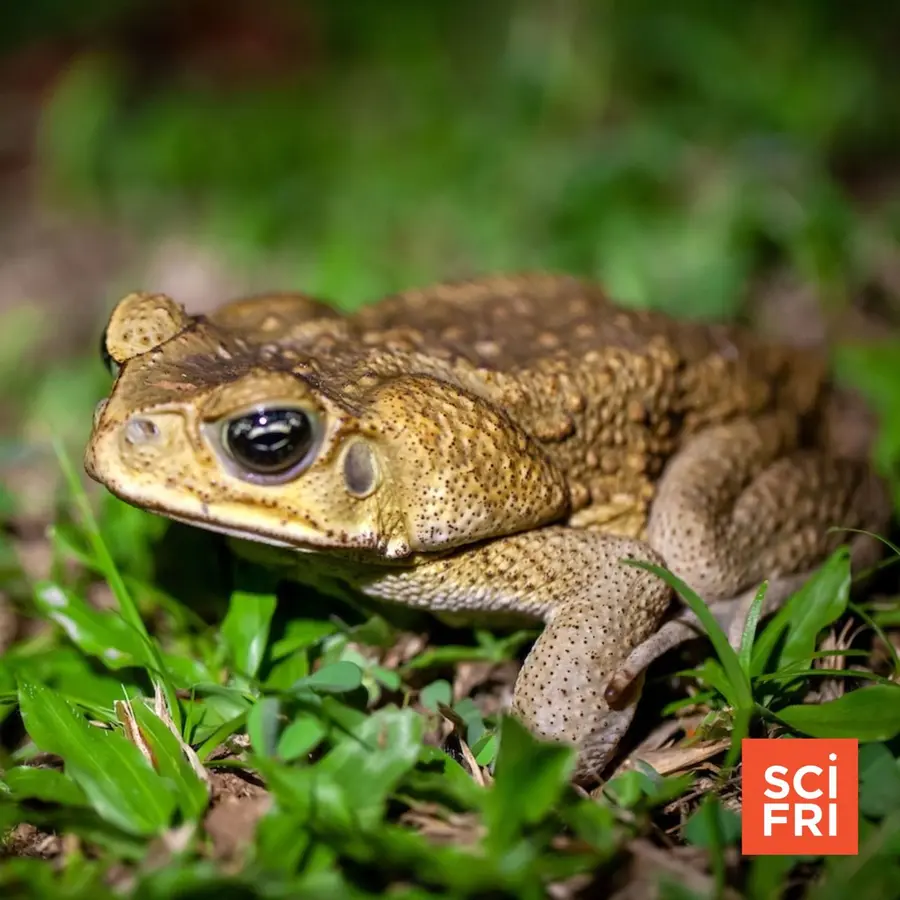
South American cane toads were brought to Australia in 1935 to help eradicate native beetles that were destroying sugar cane crops. The toads didn’t care much for the beetles, but they did spread across the coast of Queensland and beyond, with no natural predators to stop them. Their own deadly toxin devastated local reptiles along the way, and they now number over 200 million.
Invasive biologists have long tried to curb Australia’s cane toad population. The newest approach uses CRISPR gene-editing technology to create cannibalistic “Peter Pan” cane toad tadpoles: tadpoles that don’t fully mature and instead feast on the tens of thousands of eggs that the toads produce.
South American cane toads were brought to Australia in 1935 to help eradicate native beetles that were destroying sugar cane crops. The toads didn’t care much for the beetles, but they did spread across the coast of Queensland and beyond, with no natural predators to stop them. Their own deadly toxin devastated local reptiles along the way, and they now number over 200 million.
Invasive biologists have long tried to curb Australia’s cane toad population. The newest approach uses CRISPR gene-editing technology to create cannibalistic “Peter Pan” cane toad tadpoles: tadpoles that don’t fully mature and instead feast on the tens of thousands of eggs that the toads produce.
How was this approach developed, and how do these researchers think about making a potentially massive change to the ecosystem? Biologist Rick Shine, who has led the effort, joins Host Flora Lichtman to discuss it. Later, science journalist Elizabeth Kolbert talks about her experience reporting on similar monumental efforts to control nature—and what they say about us.
Guests:
Elizabeth Kolbert is a staff writer at The New Yorker and author of Under a White Sky: The Nature of the Future (Crown, 2021). She’s based in Williamstown, Massachusetts.
Dr. Rick Shine is a professor of biology at Macquarie University in Sydney, Australia.
Transcript is available on sciencefriday.com.
Subscribe to this podcast. Follow our show on Instagram, TikTok, Facebook, and Bluesky @scifri and sign up for our newsletters. Got a science question that’s keeping you up at night? Call us: 877-472-4374
Hosted by Simplecast, an AdsWizz company. See pcm.adswizz.com for information about our collection and use of personal data for advertising.
QUICK LINKS

This is an episodic podcast, so you can listen to it in any order, but episode one is a great place to start.
Listen to episode one hereSouth American cane toads were brought to Australia in 1935 to help eradicate native beetles that were destroying sugar cane crops. The toads didn’t care much for the beetles, but they did spread across the coast of Queensland and beyond, with no natural predators to stop them. Their own deadly toxin devastated local reptiles along the way, and they now number over 200 million.
Invasive biologists have long tried to curb Australia’s cane toad population. The newest approach uses CRISPR gene-editing technology to create cannibalistic “Peter Pan” cane toad tadpoles: tadpoles that don’t fully mature and instead feast on the tens of thousands of eggs that the toads produce.
How was this approach developed, and how do these researchers think about making a potentially massive change to the ecosystem? Biologist Rick Shine, who has led the effort, joins Host Flora Lichtman to discuss it. Later, science journalist Elizabeth Kolbert talks about her experience reporting on similar monumental efforts to control nature—and what they say about us.
Guests:
Elizabeth Kolbert is a staff writer at The New Yorker and author of Under a White Sky: The Nature of the Future (Crown, 2021). She’s based in Williamstown, Massachusetts.
Dr. Rick Shine is a professor of biology at Macquarie University in Sydney, Australia.
Transcript is available on sciencefriday.com.
Subscribe to this podcast. Follow our show on Instagram, TikTok, Facebook, and Bluesky @scifri and sign up for our newsletters. Got a science question that’s keeping you up at night? Call us: 877-472-4374
Hosted by Simplecast, an AdsWizz company. See pcm.adswizz.com for information about our collection and use of personal data for advertising.
Sound Carrot is your source for Family Podcast Discovery. Verified awesome, 0% boring.
Distraction free website, no flashing banners or adverts to steal your attention.
(Some shows do contain their own ads however).
At first I made this site for my kids, but like any dad I got a little over excited. I hope you find it as useful as they do.
Whether you want to listen to them together in the car, or alone in your room - the content is all safe for younger ears.