Install SoundCarrot
Add it to your home screen for quick access.
Listened
In progress
Being able to belt out a tune like Adele or Pavarotti is not just about raw talent. The best singers in the world have to work on their technique—like how to control their breath and develop the stamina to hit note after note for a two-hour concert. But pop stars and opera singers aren’t the only vocalists who have figured out how to harness their voices for maximum impact.
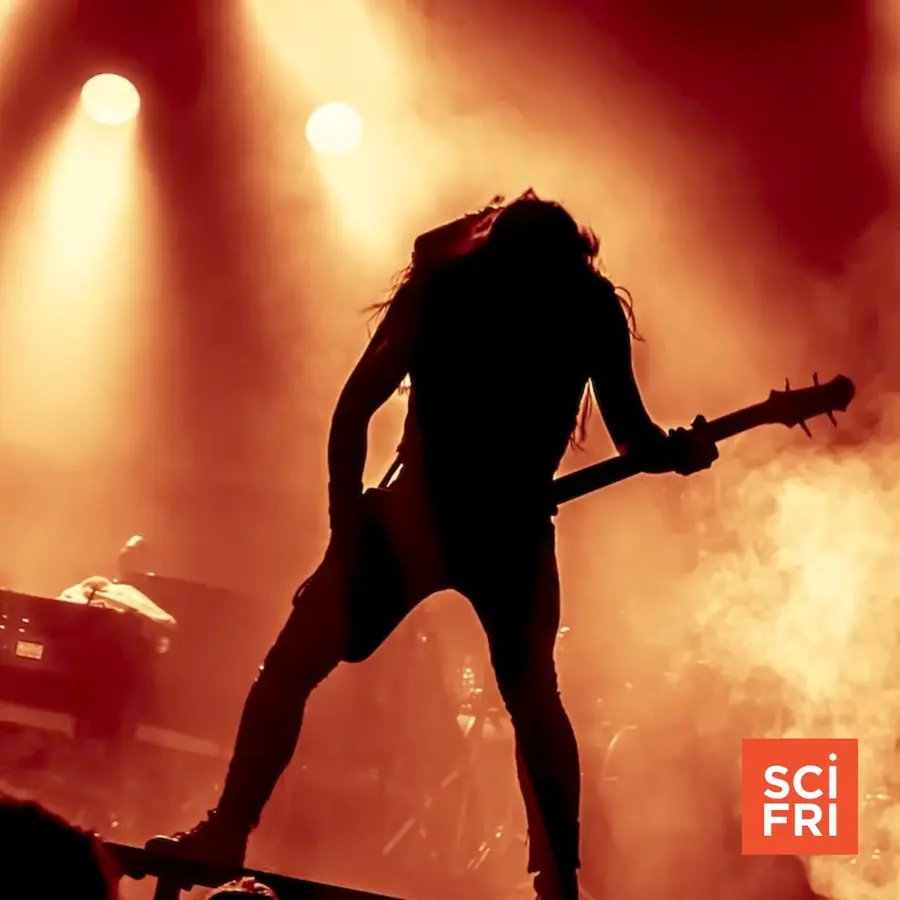
Death metal vocalists also train their voices to hit that unique guttural register. And those iconic screams are not as easy to master as they might seem.
Being able to belt out a tune like Adele or Pavarotti is not just about raw talent. The best singers in the world have to work on their technique—like how to control their breath and develop the stamina to hit note after note for a two-hour concert. But pop stars and opera singers aren’t the only vocalists who have figured out how to harness their voices for maximum impact.
Death metal vocalists also train their voices to hit that unique guttural register. And those iconic screams are not as easy to master as they might seem.
Vocal scientists at the University of Utah are now bringing death metal singers into the lab to try to understand how they make their extreme vocalizations. What they’re finding is not only insightful for metalheads, but might also help improve treatment for people with some types of vocal injuries.
In a conversation from April, Host Flora Lichtman talks with speech pathologist Amanda Stark, and Mark Garrett, vocal coach and lead singer of the band Kardashev.
Read the whole story at sciencefriday.com.
Guests:
Dr. Amanda Stark is a speech pathologist and vocology researcher at the University of Utah in Salt Lake City, Utah.
Mark Garett is a vocal coach and the lead singer of Kardashev. He’s based in Phoenix, Arizona.
Transcript available at sciencefriday.com.
Subscribe to this podcast. Follow our show on Instagram, TikTok, Facebook, and Bluesky @scifri and sign up for our newsletters. Got a science question that’s keeping you up at night? Call us: 877-472-4374
Hosted by Simplecast, an AdsWizz company. See pcm.adswizz.com for information about our collection and use of personal data for advertising.
QUICK LINKS

This is an episodic podcast, so you can listen to it in any order, but episode one is a great place to start.
Listen to episode one hereBeing able to belt out a tune like Adele or Pavarotti is not just about raw talent. The best singers in the world have to work on their technique—like how to control their breath and develop the stamina to hit note after note for a two-hour concert. But pop stars and opera singers aren’t the only vocalists who have figured out how to harness their voices for maximum impact.
Death metal vocalists also train their voices to hit that unique guttural register. And those iconic screams are not as easy to master as they might seem.
Vocal scientists at the University of Utah are now bringing death metal singers into the lab to try to understand how they make their extreme vocalizations. What they’re finding is not only insightful for metalheads, but might also help improve treatment for people with some types of vocal injuries.
In a conversation from April, Host Flora Lichtman talks with speech pathologist Amanda Stark, and Mark Garrett, vocal coach and lead singer of the band Kardashev.
Read the whole story at sciencefriday.com.
Guests:
Dr. Amanda Stark is a speech pathologist and vocology researcher at the University of Utah in Salt Lake City, Utah.
Mark Garett is a vocal coach and the lead singer of Kardashev. He’s based in Phoenix, Arizona.
Transcript available at sciencefriday.com.
Subscribe to this podcast. Follow our show on Instagram, TikTok, Facebook, and Bluesky @scifri and sign up for our newsletters. Got a science question that’s keeping you up at night? Call us: 877-472-4374
Hosted by Simplecast, an AdsWizz company. See pcm.adswizz.com for information about our collection and use of personal data for advertising.
Sound Carrot is your source for Family Podcast Discovery. Verified awesome, 0% boring.
Distraction free website, no flashing banners or adverts to steal your attention.
(Some shows do contain their own ads however).
At first I made this site for my kids, but like any dad I got a little over excited. I hope you find it as useful as they do.
Whether you want to listen to them together in the car, or alone in your room - the content is all safe for younger ears.