Install SoundCarrot
Add it to your home screen for quick access.
Listened
In progress
The sound of a choir performing in a cathedral is iconic for a reason. It’s this beautiful human experience: being side-by-side with other people, feeling the sound vibrate through you, reverberating around the space.
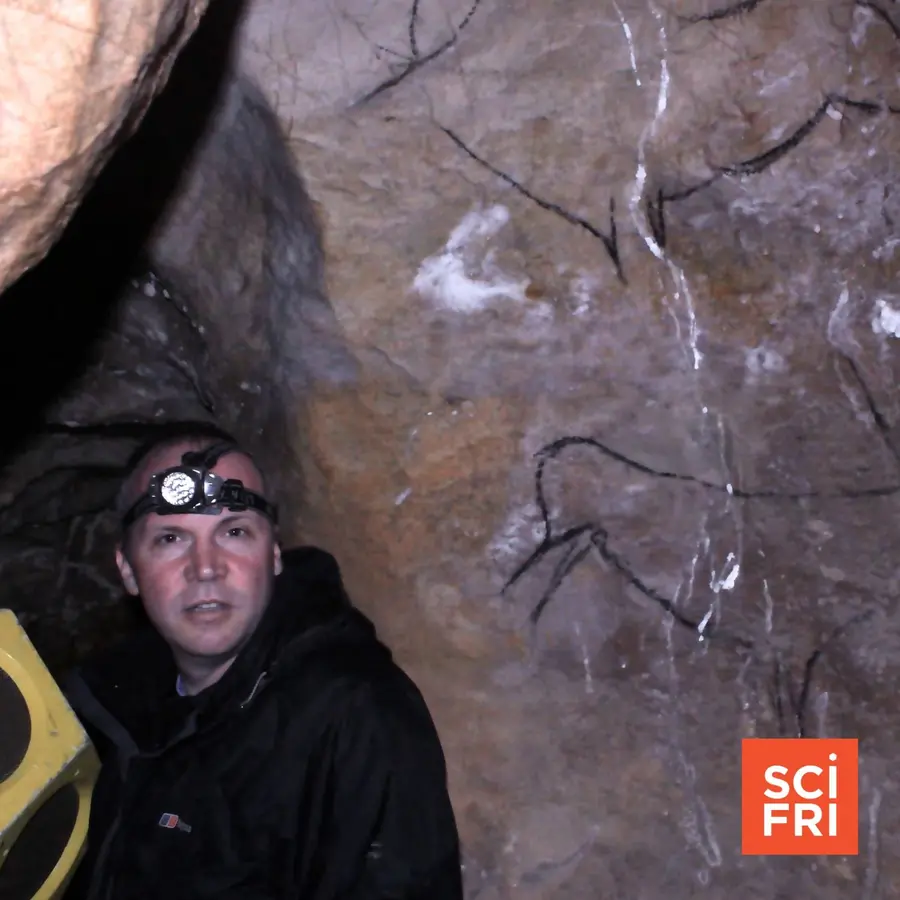
But how long has that been a part of our culture? And what role did sound play in the lives of people who lived during the Ice Age or the Stone Age? That’s the focus of a growing field of archaeology called archaeoacoustics, where researchers use the scientific tools of today to investigate the role of sound and music in the past.
The sound of a choir performing in a cathedral is iconic for a reason. It’s this beautiful human experience: being side-by-side with other people, feeling the sound vibrate through you, reverberating around the space.
But how long has that been a part of our culture? And what role did sound play in the lives of people who lived during the Ice Age or the Stone Age? That’s the focus of a growing field of archaeology called archaeoacoustics, where researchers use the scientific tools of today to investigate the role of sound and music in the past.
To learn more, Host Flora Lichtman is joined by Margarita Díaz-Andreu, principal investigator of the Art Soundscapes project, and Rupert Till, head of the department of humanities at the University of Huddersfield in the UK.
Guests: Dr. Margarita Díaz-Andreu is an ICREA professor at the University of Barcelona in Spain and principal investigator of the Art Soundscapes project.
Dr. Rupert Till is a professor of music and head of the department humanities at the University of Huddersfield in the UK.
Transcripts for each episode are available within 1-3 days at sciencefriday.com.
Subscribe to this podcast. Follow our show on Instagram, TikTok, Facebook, and Bluesky @scifri and sign up for our newsletters. Got a science question that’s keeping you up at night? Call us: 877-472-4374
Hosted by Simplecast, an AdsWizz company. See pcm.adswizz.com for information about our collection and use of personal data for advertising.
QUICK LINKS

This is an episodic podcast, so you can listen to it in any order, but episode one is a great place to start.
Listen to episode one hereThe sound of a choir performing in a cathedral is iconic for a reason. It’s this beautiful human experience: being side-by-side with other people, feeling the sound vibrate through you, reverberating around the space.
But how long has that been a part of our culture? And what role did sound play in the lives of people who lived during the Ice Age or the Stone Age? That’s the focus of a growing field of archaeology called archaeoacoustics, where researchers use the scientific tools of today to investigate the role of sound and music in the past.
To learn more, Host Flora Lichtman is joined by Margarita Díaz-Andreu, principal investigator of the Art Soundscapes project, and Rupert Till, head of the department of humanities at the University of Huddersfield in the UK.
Guests: Dr. Margarita Díaz-Andreu is an ICREA professor at the University of Barcelona in Spain and principal investigator of the Art Soundscapes project.
Dr. Rupert Till is a professor of music and head of the department humanities at the University of Huddersfield in the UK.
Transcripts for each episode are available within 1-3 days at sciencefriday.com.
Subscribe to this podcast. Follow our show on Instagram, TikTok, Facebook, and Bluesky @scifri and sign up for our newsletters. Got a science question that’s keeping you up at night? Call us: 877-472-4374
Hosted by Simplecast, an AdsWizz company. See pcm.adswizz.com for information about our collection and use of personal data for advertising.
Sound Carrot is your source for Family Podcast Discovery. Verified awesome, 0% boring.
Distraction free website, no flashing banners or adverts to steal your attention.
(Some shows do contain their own ads however).
At first I made this site for my kids, but like any dad I got a little over excited. I hope you find it as useful as they do.
Whether you want to listen to them together in the car, or alone in your room - the content is all safe for younger ears.