Install SoundCarrot
Add it to your home screen for quick access.
Listened
In progress
We recently got a call from a SciFri listener in Florida who has autoimmune arthritis. He told us that over the years he’d taken 10 drugs, and each out eventually stopped working. He then tried to enroll in a clinical trial for a new drug for his condition, but he was rejected specifically because he was on his 10th drug.
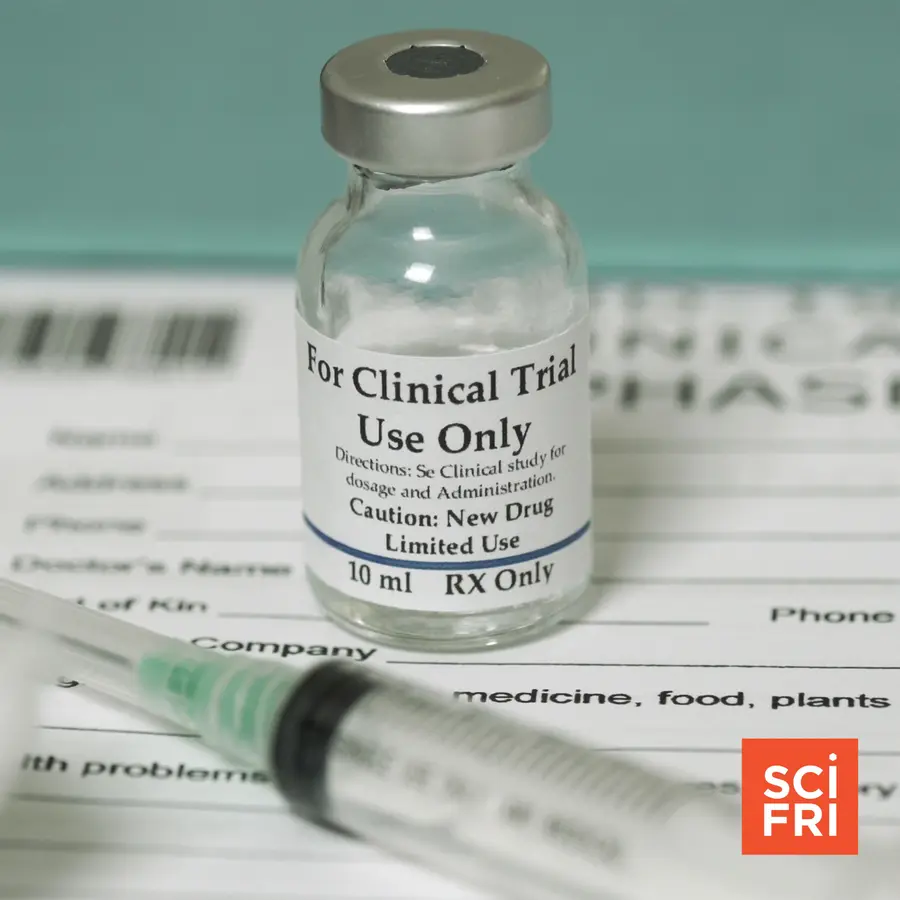
Today we’re digging into clinical trials and how they work. Are there incentives for drug developers to leave out “problem children”? Or is it more complicated than that? Flora talks with lawyer and bioethicist Holly Fernandez Lynch about what clinical trials are designed to do, how participants are chosen, and where FDA regulation comes into play.
We recently got a call from a SciFri listener in Florida who has autoimmune arthritis. He told us that over the years he’d taken 10 drugs, and each out eventually stopped working. He then tried to enroll in a clinical trial for a new drug for his condition, but he was rejected specifically because he was on his 10th drug.
Today we’re digging into clinical trials and how they work. Are there incentives for drug developers to leave out “problem children”? Or is it more complicated than that? Flora talks with lawyer and bioethicist Holly Fernandez Lynch about what clinical trials are designed to do, how participants are chosen, and where FDA regulation comes into play.
Guest:
Dr. Holly Fernandez Lynch is an associate professor of medical ethics and health policy at the University of Pennsylvania.
Other episodes you may enjoy:
Why so many studies can’t be replicated
Can ‘Suggestion-Box Science’ Make Public Health More Useful?
Transcripts for each episode are available within 1-3 days at sciencefriday.com.
Subscribe to this podcast. Follow our show on Instagram, TikTok, Facebook, and Bluesky @scifri and sign up for our newsletters. Got a science question that’s keeping you up at night? Call us: 877-472-4374
Hosted by Simplecast, an AdsWizz company. See pcm.adswizz.com for information about our collection and use of personal data for advertising.
QUICK LINKS

This is an episodic podcast, so you can listen to it in any order, but episode one is a great place to start.
Listen to episode one hereWe recently got a call from a SciFri listener in Florida who has autoimmune arthritis. He told us that over the years he’d taken 10 drugs, and each out eventually stopped working. He then tried to enroll in a clinical trial for a new drug for his condition, but he was rejected specifically because he was on his 10th drug.
Today we’re digging into clinical trials and how they work. Are there incentives for drug developers to leave out “problem children”? Or is it more complicated than that? Flora talks with lawyer and bioethicist Holly Fernandez Lynch about what clinical trials are designed to do, how participants are chosen, and where FDA regulation comes into play.
Guest:
Dr. Holly Fernandez Lynch is an associate professor of medical ethics and health policy at the University of Pennsylvania.
Other episodes you may enjoy:
Why so many studies can’t be replicated
Can ‘Suggestion-Box Science’ Make Public Health More Useful?
Transcripts for each episode are available within 1-3 days at sciencefriday.com.
Subscribe to this podcast. Follow our show on Instagram, TikTok, Facebook, and Bluesky @scifri and sign up for our newsletters. Got a science question that’s keeping you up at night? Call us: 877-472-4374
Hosted by Simplecast, an AdsWizz company. See pcm.adswizz.com for information about our collection and use of personal data for advertising.
Sound Carrot is your source for Family Podcast Discovery. Verified awesome, 0% boring.
Distraction free website, no flashing banners or adverts to steal your attention.
(Some shows do contain their own ads however).
At first I made this site for my kids, but like any dad I got a little over excited. I hope you find it as useful as they do.
Whether you want to listen to them together in the car, or alone in your room - the content is all safe for younger ears.