Install SoundCarrot
Add it to your home screen for quick access.
Listened
In progress
Scientists studying climate models say there’s a high chance this will be an El Niño year—and that we could be in for a “super” El Niño. The difference is indicated by sea surface temperatures in part of the Pacific Ocean rising a little—or a lot—above their long-term average.
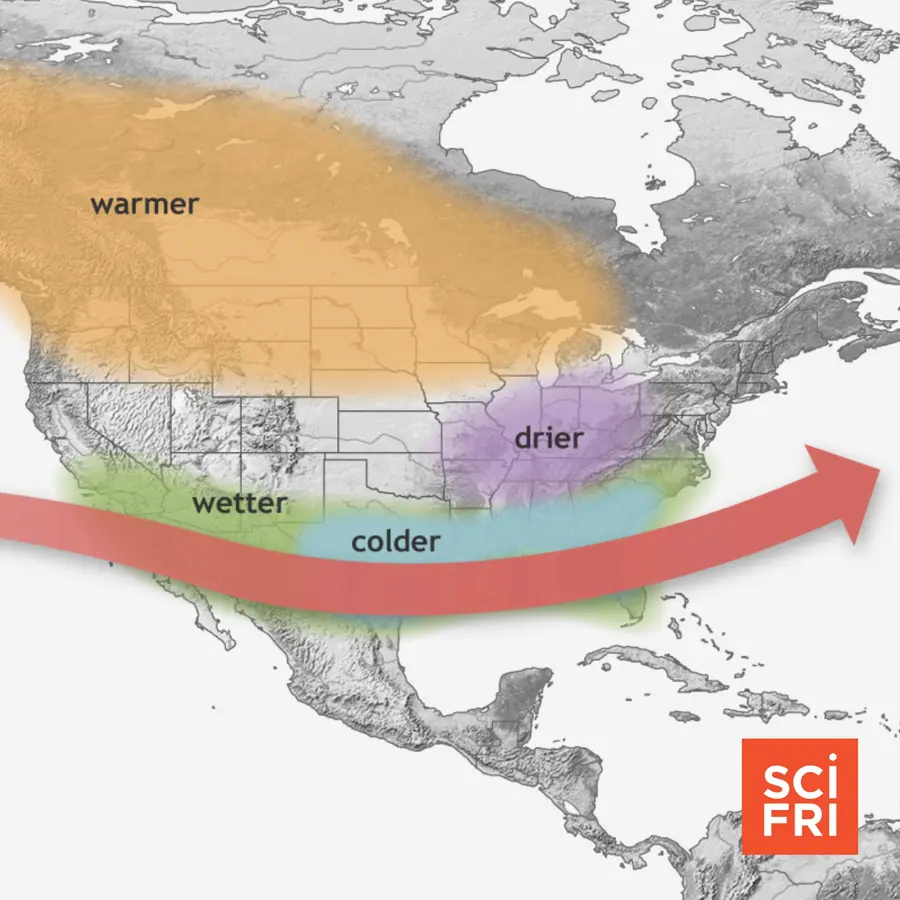
El Niño is one half of what climatologists call the ENSO, the El Niño-Southern Oscillation. The oscillation operates on a roughly 3-7 year cycle, changing the path of the jet stream and shifting weather conditions around the world. An El Niño year, for instance, typically brings wetter weather in the western U.S. but dryer conditions in the Pacific Northwest, and can be a drought buster for regions such as southern California.
Scientists studying climate models say there’s a high chance this will be an El Niño year—and that we could be in for a “super” El Niño. The difference is indicated by sea surface temperatures in part of the Pacific Ocean rising a little—or a lot—above their long-term average.
El Niño is one half of what climatologists call the ENSO, the El Niño-Southern Oscillation. The oscillation operates on a roughly 3-7 year cycle, changing the path of the jet stream and shifting weather conditions around the world. An El Niño year, for instance, typically brings wetter weather in the western U.S. but dryer conditions in the Pacific Northwest, and can be a drought buster for regions such as southern California. But shifting ocean currents also have the potential to affect marine ecosystems, leading to algal booms, coral bleaching, and more.
Climate scientist Dillon Amaya joins Host Ira Flatow to describe the role of the El Niño in shaping world weather, and what effects a particularly strong El Niño year might have on global ecosystems.
Guest:
Dr. Dillon Amaya is a research scientist at the NOAA Physical Sciences Laboratory in Boulder, Colorado.
Other episodes you may enjoy:
Meet A Pioneer Of Modern Weather Prediction
Could We Get Weather Forecasts Years—Or A Decade—In Advance?
Want SciFri gear? Check out our new shop!
Transcripts for each episode are available within 1-3 days at sciencefriday.com.
Subscribe to this podcast. Follow our show on Instagram, TikTok, Facebook, and Bluesky @scifri and sign up for our newsletters. Got a science question that’s keeping you up at night? Call us: 877-472-4374
Hosted by Simplecast, an AdsWizz company. See pcm.adswizz.com for information about our collection and use of personal data for advertising.
QUICK LINKS
This is an episodic podcast, so you can listen to it in any order, but episode one is a great place to start.
Listen to episode one hereScientists studying climate models say there’s a high chance this will be an El Niño year—and that we could be in for a “super” El Niño. The difference is indicated by sea surface temperatures in part of the Pacific Ocean rising a little—or a lot—above their long-term average.
El Niño is one half of what climatologists call the ENSO, the El Niño-Southern Oscillation. The oscillation operates on a roughly 3-7 year cycle, changing the path of the jet stream and shifting weather conditions around the world. An El Niño year, for instance, typically brings wetter weather in the western U.S. but dryer conditions in the Pacific Northwest, and can be a drought buster for regions such as southern California. But shifting ocean currents also have the potential to affect marine ecosystems, leading to algal booms, coral bleaching, and more.
Climate scientist Dillon Amaya joins Host Ira Flatow to describe the role of the El Niño in shaping world weather, and what effects a particularly strong El Niño year might have on global ecosystems.
Guest:
Dr. Dillon Amaya is a research scientist at the NOAA Physical Sciences Laboratory in Boulder, Colorado.
Other episodes you may enjoy:
Meet A Pioneer Of Modern Weather Prediction
Could We Get Weather Forecasts Years—Or A Decade—In Advance?
Want SciFri gear? Check out our new shop!
Transcripts for each episode are available within 1-3 days at sciencefriday.com.
Subscribe to this podcast. Follow our show on Instagram, TikTok, Facebook, and Bluesky @scifri and sign up for our newsletters. Got a science question that’s keeping you up at night? Call us: 877-472-4374
Hosted by Simplecast, an AdsWizz company. See pcm.adswizz.com for information about our collection and use of personal data for advertising.
Sound Carrot is your source for Family Podcast Discovery. Verified awesome, 0% boring.
Distraction free website, no flashing banners or adverts to steal your attention.
(Some shows do contain their own ads however).
At first I made this site for my kids, but like any dad I got a little over excited. I hope you find it as useful as they do.
Whether you want to listen to them together in the car, or alone in your room - the content is all safe for younger ears.