Install SoundCarrot
Add it to your home screen for quick access.
Listened
In progress
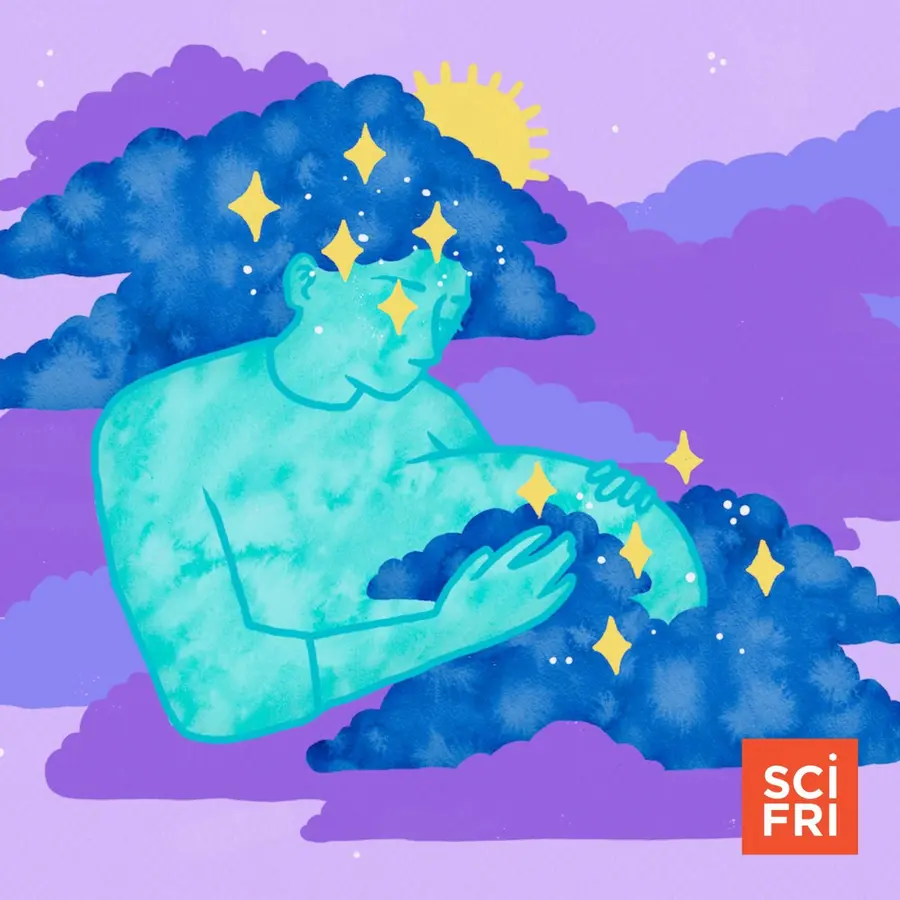
Pregnancy is a hugely transformative experience, both in how it can change someone’s day-to-day life, and how it affects the body. There’s a key part of the body that’s been under-researched in relation to pregnancy: the brain.
Those who have been pregnant often talk about “pregnancy brain,” the experience of brain fog or forgetfulness during and after pregnancy. There’s also the specter of postpartum depression, a condition that affects about 1 in 7 women post-birthing. There’s still a dearth of information about what causes these cognitive, psychological, and emotional experiences.
Pregnancy is a hugely transformative experience, both in how it can change someone’s day-to-day life, and how it affects the body. There’s a key part of the body that’s been under-researched in relation to pregnancy: the brain.
Those who have been pregnant often talk about “pregnancy brain,” the experience of brain fog or forgetfulness during and after pregnancy. There’s also the specter of postpartum depression, a condition that affects about 1 in 7 women post-birthing. There’s still a dearth of information about what causes these cognitive, psychological, and emotional experiences.
In a recent study, scientists took MRI scans of participants before, during, and after pregnancy, and spotted distinctive changes in the brain’s gray and white matter. While these anatomical changes are noticeable, the researchers are still trying to determine what they actually mean for behavior. Joining guest host Kathleen Davis to talk about this study is Dr. Liz Chrastil, associate professor of neurobiology and behavior at the University of California Irvine.
Transcripts for each segment will be available after the show airs on sciencefriday.com.
Subscribe to this podcast. Follow our show on Instagram, TikTok, Facebook, and Bluesky @scifri and sign up for our newsletters. Got a science question that’s keeping you up at night? Call us: 877-472-4374
Hosted by Simplecast, an AdsWizz company. See pcm.adswizz.com for information about our collection and use of personal data for advertising.
QUICK LINKS

This is an episodic podcast, so you can listen to it in any order, but episode one is a great place to start.
Listen to episode one herePregnancy is a hugely transformative experience, both in how it can change someone’s day-to-day life, and how it affects the body. There’s a key part of the body that’s been under-researched in relation to pregnancy: the brain.
Those who have been pregnant often talk about “pregnancy brain,” the experience of brain fog or forgetfulness during and after pregnancy. There’s also the specter of postpartum depression, a condition that affects about 1 in 7 women post-birthing. There’s still a dearth of information about what causes these cognitive, psychological, and emotional experiences.
In a recent study, scientists took MRI scans of participants before, during, and after pregnancy, and spotted distinctive changes in the brain’s gray and white matter. While these anatomical changes are noticeable, the researchers are still trying to determine what they actually mean for behavior. Joining guest host Kathleen Davis to talk about this study is Dr. Liz Chrastil, associate professor of neurobiology and behavior at the University of California Irvine.
Transcripts for each segment will be available after the show airs on sciencefriday.com.
Subscribe to this podcast. Follow our show on Instagram, TikTok, Facebook, and Bluesky @scifri and sign up for our newsletters. Got a science question that’s keeping you up at night? Call us: 877-472-4374
Hosted by Simplecast, an AdsWizz company. See pcm.adswizz.com for information about our collection and use of personal data for advertising.
Sound Carrot is your source for Family Podcast Discovery. Verified awesome, 0% boring.
Distraction free website, no flashing banners or adverts to steal your attention.
(Some shows do contain their own ads however).
At first I made this site for my kids, but like any dad I got a little over excited. I hope you find it as useful as they do.
Whether you want to listen to them together in the car, or alone in your room - the content is all safe for younger ears.