Install SoundCarrot
Add it to your home screen for quick access.
Listened
In progress
Dr. Eric Topol discusses the promise of “opportunistic” AI, using medical scans for unintended diagnostic purposes. Also, a study in mice found that the brain tags new memories through a “sharp wave ripple” mechanism that then repeats during sleep.
How AI Could Predict Heart Disease From Chest X-RaysResearch on medical uses for artificial intelligence in medicine is exploding, with scientists exploring methods like using the retina to predict disease onset. That’s one example of a growing body of research on “opportunistic” AI, the practice of analyzing medical scans in unconventional ways and for unintended diagnostic purposes.
Dr. Eric Topol discusses the promise of “opportunistic” AI, using medical scans for unintended diagnostic purposes. Also, a study in mice found that the brain tags new memories through a “sharp wave ripple” mechanism that then repeats during sleep.
How AI Could Predict Heart Disease From Chest X-RaysResearch on medical uses for artificial intelligence in medicine is exploding, with scientists exploring methods like using the retina to predict disease onset. That’s one example of a growing body of research on “opportunistic” AI, the practice of analyzing medical scans in unconventional ways and for unintended diagnostic purposes.
Now, there’s some evidence to suggest that AI can mine data from chest x-rays to assess the risk of cardiovascular disease and detect diabetes.
Ira talks with Dr. Eric Topol, founder and director of the Scripps Research Translational Institute and professor of molecular medicine.
Neurons ‘Tag’ New Memories For Storage During SleepAll day long we’re taking in information and forming memories. Some stick around, others quickly fade away. But how does your brain push those memories into long term storage? And how does our brain recognize which memories should be kept and which should be discarded?
This topic has been debated for decades, and a recent study in mice may help scientists understand this process.
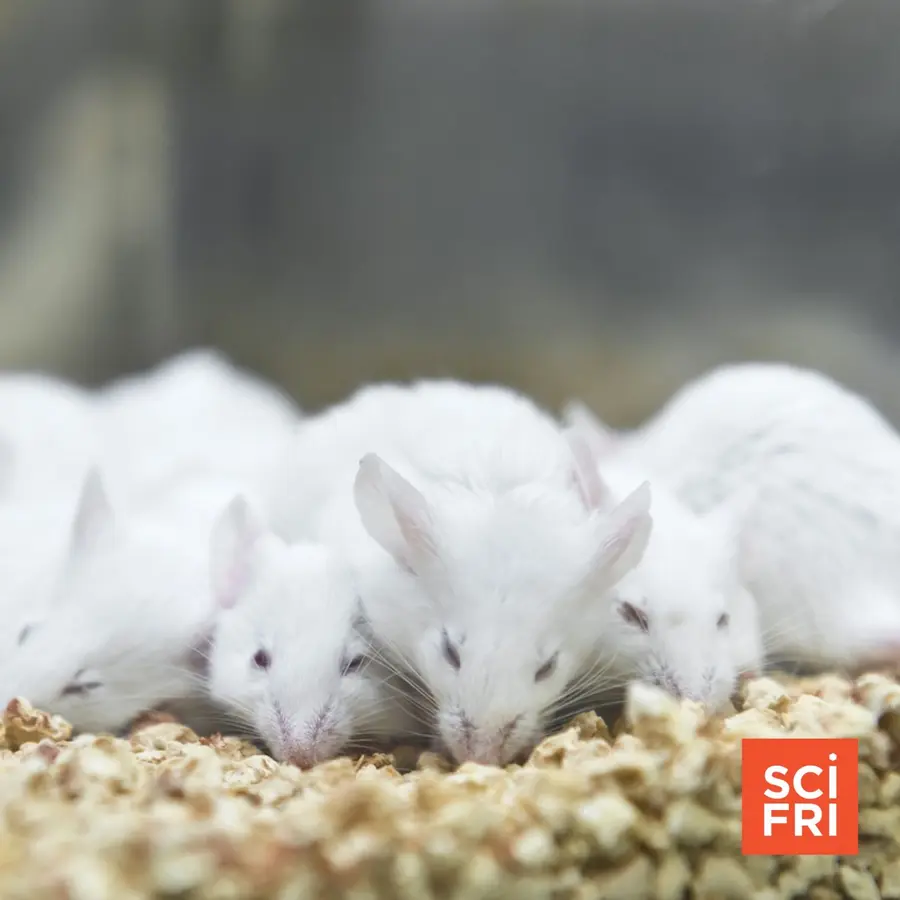
Researchers found that during the day, as the mice formed memories, cells in the hippocampus fired in a formation called “sharp wave ripples.” These are markers that tell the brain to keep those memories for later. Then, while the mice slept, those same sharp wave ripples activated again, and locked in those memories.
Ira talks with Dr. György Buzsáki, professor of neuroscience at the NYU Grossman School of Medicine, about the findings of the study, which was published in the journal Science.
Transcripts for each segment will be available after the show airs on sciencefriday.com.
Subscribe to this podcast. Follow our show on Instagram, TikTok, Facebook, and Bluesky @scifri and sign up for our newsletters. Got a science question that’s keeping you up at night? Call us: 877-472-4374
Hosted by Simplecast, an AdsWizz company. See pcm.adswizz.com for information about our collection and use of personal data for advertising.
QUICK LINKS
This is an episodic podcast, so you can listen to it in any order, but episode one is a great place to start.
Listen to episode one hereDr. Eric Topol discusses the promise of “opportunistic” AI, using medical scans for unintended diagnostic purposes. Also, a study in mice found that the brain tags new memories through a “sharp wave ripple” mechanism that then repeats during sleep.
How AI Could Predict Heart Disease From Chest X-RaysResearch on medical uses for artificial intelligence in medicine is exploding, with scientists exploring methods like using the retina to predict disease onset. That’s one example of a growing body of research on “opportunistic” AI, the practice of analyzing medical scans in unconventional ways and for unintended diagnostic purposes.
Now, there’s some evidence to suggest that AI can mine data from chest x-rays to assess the risk of cardiovascular disease and detect diabetes.
Ira talks with Dr. Eric Topol, founder and director of the Scripps Research Translational Institute and professor of molecular medicine.
Neurons ‘Tag’ New Memories For Storage During SleepAll day long we’re taking in information and forming memories. Some stick around, others quickly fade away. But how does your brain push those memories into long term storage? And how does our brain recognize which memories should be kept and which should be discarded?
This topic has been debated for decades, and a recent study in mice may help scientists understand this process.
Researchers found that during the day, as the mice formed memories, cells in the hippocampus fired in a formation called “sharp wave ripples.” These are markers that tell the brain to keep those memories for later. Then, while the mice slept, those same sharp wave ripples activated again, and locked in those memories.
Ira talks with Dr. György Buzsáki, professor of neuroscience at the NYU Grossman School of Medicine, about the findings of the study, which was published in the journal Science.
Transcripts for each segment will be available after the show airs on sciencefriday.com.
Subscribe to this podcast. Follow our show on Instagram, TikTok, Facebook, and Bluesky @scifri and sign up for our newsletters. Got a science question that’s keeping you up at night? Call us: 877-472-4374
Hosted by Simplecast, an AdsWizz company. See pcm.adswizz.com for information about our collection and use of personal data for advertising.
Sound Carrot is your source for Family Podcast Discovery. Verified awesome, 0% boring.
Distraction free website, no flashing banners or adverts to steal your attention.
(Some shows do contain their own ads however).
At first I made this site for my kids, but like any dad I got a little over excited. I hope you find it as useful as they do.
Whether you want to listen to them together in the car, or alone in your room - the content is all safe for younger ears.