Install SoundCarrot
Add it to your home screen for quick access.
Listened
In progress
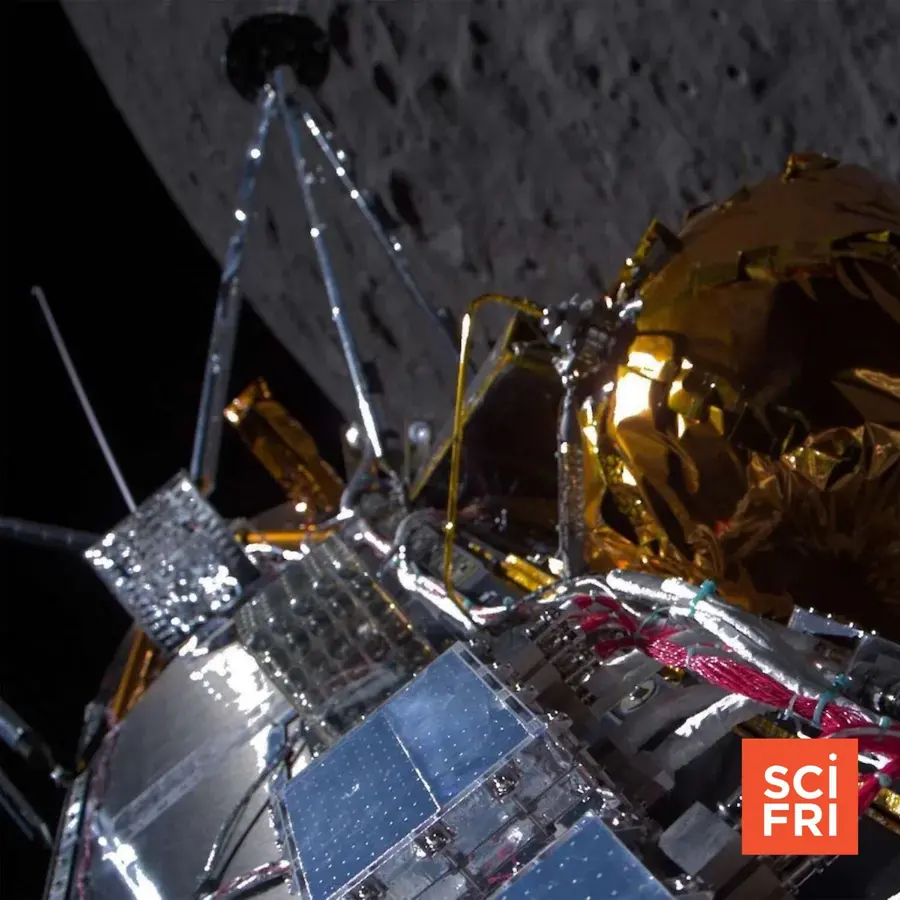
Private Spacecraft Makes Historic Moon LandingThursday evening, the Odysseus moon lander successfully soft-landed on the moon, becoming the first U.S spacecraft to do so in over 50 years. The lander mission wasn’t created by NASA or another government space agency, but by the company Intuitive Machines, making it the first commercial mission to successfully soft-land on the surface of the moon.
They’ll also talk about other stories from the week in science, including the move by some automakers toward plug-in hybrid electric vehicles, work on freezing antimatter, a strange meat-rice hybrid, and progress towards a universal snake antivenom.
Private Spacecraft Makes Historic Moon LandingThursday evening, the Odysseus moon lander successfully soft-landed on the moon, becoming the first U.S spacecraft to do so in over 50 years. The lander mission wasn’t created by NASA or another government space agency, but by the company Intuitive Machines, making it the first commercial mission to successfully soft-land on the surface of the moon. The mission was part of a NASA program called the Commercial Lunar Payload Services program, which aims to make lunar missions faster and cheaper. There are other commercial moon missions planned for later this year. Umair Irfan, senior correspondent at Vox, joins guest host Sophie Bushwick for an update on the mission.
They’ll also talk about other stories from the week in science, including the move by some automakers toward plug-in hybrid electric vehicles, work on freezing antimatter, a strange meat-rice hybrid, and progress towards a universal snake antivenom.
A New Recipe For Cloud Seeding To Boost Snowfall In IdahoWe’re taught in school that water freezes at 32 degrees Fahrenheit.
“It usually happens like that in the lake or on the ground,” said Derek Blestrud, a Senior Atmospheric Scientist at Idaho Power.
But the process differs in the sky, he said. Clouds contain supercool water that doesn’t turn to ice until it reaches about -40 degrees F. That is, unless some other substance initiates the freezing.
“Water’s really dumb,” Blestrud likes to say. “It doesn’t know how to freeze unless something else teaches it how to freeze.”
That’s where scientists like Blestrud step in. They help clouds produce more snow through cloud seeding, which involves releasing tiny particles that serve as nuclei for snowflakes to form.
Read the rest at sciencefriday.com.
Transcripts for each segment will be available the week after the show airs on sciencefriday.com.
Subscribe to this podcast. Follow our show on Instagram, TikTok, Facebook, and Bluesky @scifri and sign up for our newsletters. Got a science question that’s keeping you up at night? Call us: 877-472-4374
Hosted by Simplecast, an AdsWizz company. See pcm.adswizz.com for information about our collection and use of personal data for advertising.
QUICK LINKS

This is an episodic podcast, so you can listen to it in any order, but episode one is a great place to start.
Listen to episode one herePrivate Spacecraft Makes Historic Moon LandingThursday evening, the Odysseus moon lander successfully soft-landed on the moon, becoming the first U.S spacecraft to do so in over 50 years. The lander mission wasn’t created by NASA or another government space agency, but by the company Intuitive Machines, making it the first commercial mission to successfully soft-land on the surface of the moon. The mission was part of a NASA program called the Commercial Lunar Payload Services program, which aims to make lunar missions faster and cheaper. There are other commercial moon missions planned for later this year. Umair Irfan, senior correspondent at Vox, joins guest host Sophie Bushwick for an update on the mission.
They’ll also talk about other stories from the week in science, including the move by some automakers toward plug-in hybrid electric vehicles, work on freezing antimatter, a strange meat-rice hybrid, and progress towards a universal snake antivenom.
A New Recipe For Cloud Seeding To Boost Snowfall In IdahoWe’re taught in school that water freezes at 32 degrees Fahrenheit.
“It usually happens like that in the lake or on the ground,” said Derek Blestrud, a Senior Atmospheric Scientist at Idaho Power.
But the process differs in the sky, he said. Clouds contain supercool water that doesn’t turn to ice until it reaches about -40 degrees F. That is, unless some other substance initiates the freezing.
“Water’s really dumb,” Blestrud likes to say. “It doesn’t know how to freeze unless something else teaches it how to freeze.”
That’s where scientists like Blestrud step in. They help clouds produce more snow through cloud seeding, which involves releasing tiny particles that serve as nuclei for snowflakes to form.
Read the rest at sciencefriday.com.
Transcripts for each segment will be available the week after the show airs on sciencefriday.com.
Subscribe to this podcast. Follow our show on Instagram, TikTok, Facebook, and Bluesky @scifri and sign up for our newsletters. Got a science question that’s keeping you up at night? Call us: 877-472-4374
Hosted by Simplecast, an AdsWizz company. See pcm.adswizz.com for information about our collection and use of personal data for advertising.
Sound Carrot is your source for Family Podcast Discovery. Verified awesome, 0% boring.
Distraction free website, no flashing banners or adverts to steal your attention.
(Some shows do contain their own ads however).
At first I made this site for my kids, but like any dad I got a little over excited. I hope you find it as useful as they do.
Whether you want to listen to them together in the car, or alone in your room - the content is all safe for younger ears.