Install SoundCarrot
Add it to your home screen for quick access.
Listened
In progress
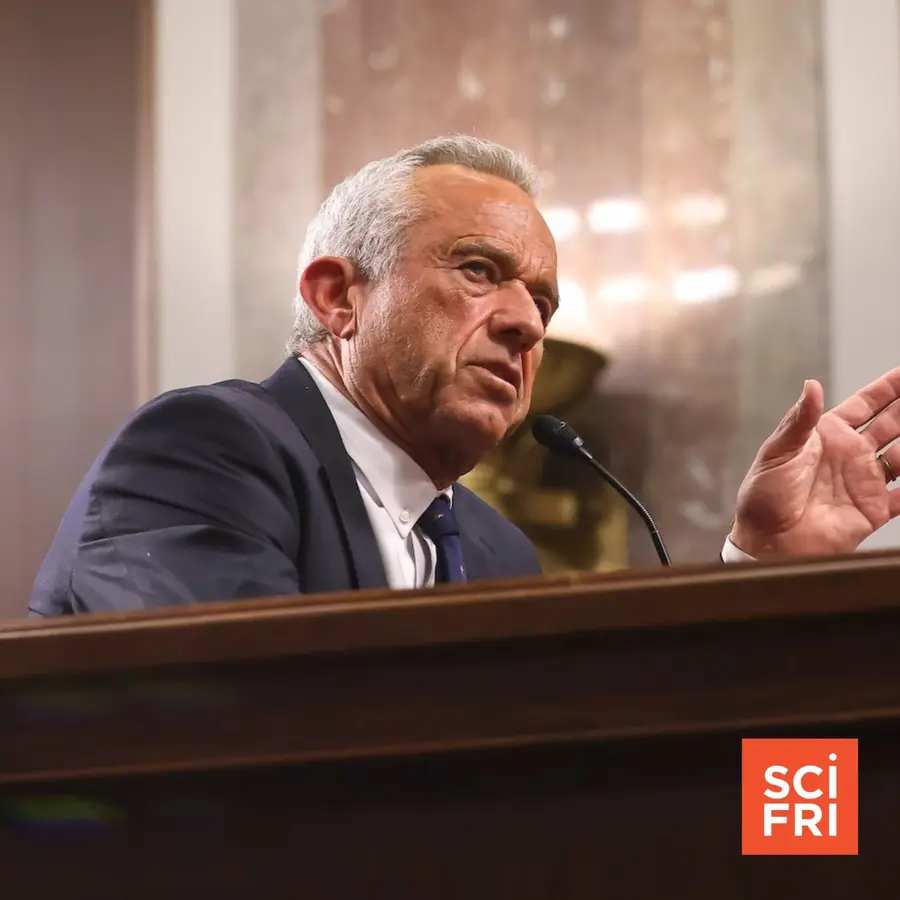
On Monday, US Health Secretary Robert F. Kennedy Jr. fired all 17 members of the panel that advises the CDC on who should get certain vaccines and when. Then on Thursday, he appointed eight new members, some of whom have been critical of vaccines in the past. So who exactly is new on the panel and how are medical experts reacting?
Sophie Bushwick from New Scientist breaks down this reshuffling and the other top science stories of the week, including Starlink’s leaky satellites, Earth’s possible past encounters with dark matter, IBM’s quantum computing plans, a device that can extract water from dry air, and how a paralyzed man was able to speak thanks to brain-controlled synthetic voice.
On Monday, US Health Secretary Robert F. Kennedy Jr. fired all 17 members of the panel that advises the CDC on who should get certain vaccines and when. Then on Thursday, he appointed eight new members, some of whom have been critical of vaccines in the past. So who exactly is new on the panel and how are medical experts reacting?
Sophie Bushwick from New Scientist breaks down this reshuffling and the other top science stories of the week, including Starlink’s leaky satellites, Earth’s possible past encounters with dark matter, IBM’s quantum computing plans, a device that can extract water from dry air, and how a paralyzed man was able to speak thanks to brain-controlled synthetic voice.
Plus, nearly one in four Americans live within three miles of a Superfund site, places that are contaminated with hazardous waste and flagged for cleanup by the government. Amid sweeping cuts to science and environmental programs, the Trump administration appears to be prioritizing the cleanup of these polluted sites. But why? Host Flora Lichtman talks with science journalist Shahla Farzan about the Trump administration’s approach to cleaning up Superfund sites and what this means for impacted communities.
Read Farzan’s full story about the move to expedite cleanup, and her past coverage of how floods can impact the areas surrounding Superfund sites.
Transcripts for each episode are available within 1-3 days at sciencefriday.com.
Subscribe to this podcast. Follow our show on Instagram, TikTok, Facebook, and Bluesky @scifri and sign up for our newsletters. Got a science question that’s keeping you up at night? Call us: 877-472-4374
Hosted by Simplecast, an AdsWizz company. See pcm.adswizz.com for information about our collection and use of personal data for advertising.
QUICK LINKS
This is an episodic podcast, so you can listen to it in any order, but episode one is a great place to start.
Listen to episode one hereOn Monday, US Health Secretary Robert F. Kennedy Jr. fired all 17 members of the panel that advises the CDC on who should get certain vaccines and when. Then on Thursday, he appointed eight new members, some of whom have been critical of vaccines in the past. So who exactly is new on the panel and how are medical experts reacting?
Sophie Bushwick from New Scientist breaks down this reshuffling and the other top science stories of the week, including Starlink’s leaky satellites, Earth’s possible past encounters with dark matter, IBM’s quantum computing plans, a device that can extract water from dry air, and how a paralyzed man was able to speak thanks to brain-controlled synthetic voice.
Plus, nearly one in four Americans live within three miles of a Superfund site, places that are contaminated with hazardous waste and flagged for cleanup by the government. Amid sweeping cuts to science and environmental programs, the Trump administration appears to be prioritizing the cleanup of these polluted sites. But why? Host Flora Lichtman talks with science journalist Shahla Farzan about the Trump administration’s approach to cleaning up Superfund sites and what this means for impacted communities.
Read Farzan’s full story about the move to expedite cleanup, and her past coverage of how floods can impact the areas surrounding Superfund sites.
Transcripts for each episode are available within 1-3 days at sciencefriday.com.
Subscribe to this podcast. Follow our show on Instagram, TikTok, Facebook, and Bluesky @scifri and sign up for our newsletters. Got a science question that’s keeping you up at night? Call us: 877-472-4374
Hosted by Simplecast, an AdsWizz company. See pcm.adswizz.com for information about our collection and use of personal data for advertising.
Sound Carrot is your source for Family Podcast Discovery. Verified awesome, 0% boring.
Distraction free website, no flashing banners or adverts to steal your attention.
(Some shows do contain their own ads however).
At first I made this site for my kids, but like any dad I got a little over excited. I hope you find it as useful as they do.
Whether you want to listen to them together in the car, or alone in your room - the content is all safe for younger ears.