Install SoundCarrot
Add it to your home screen for quick access.
Listened
In progress
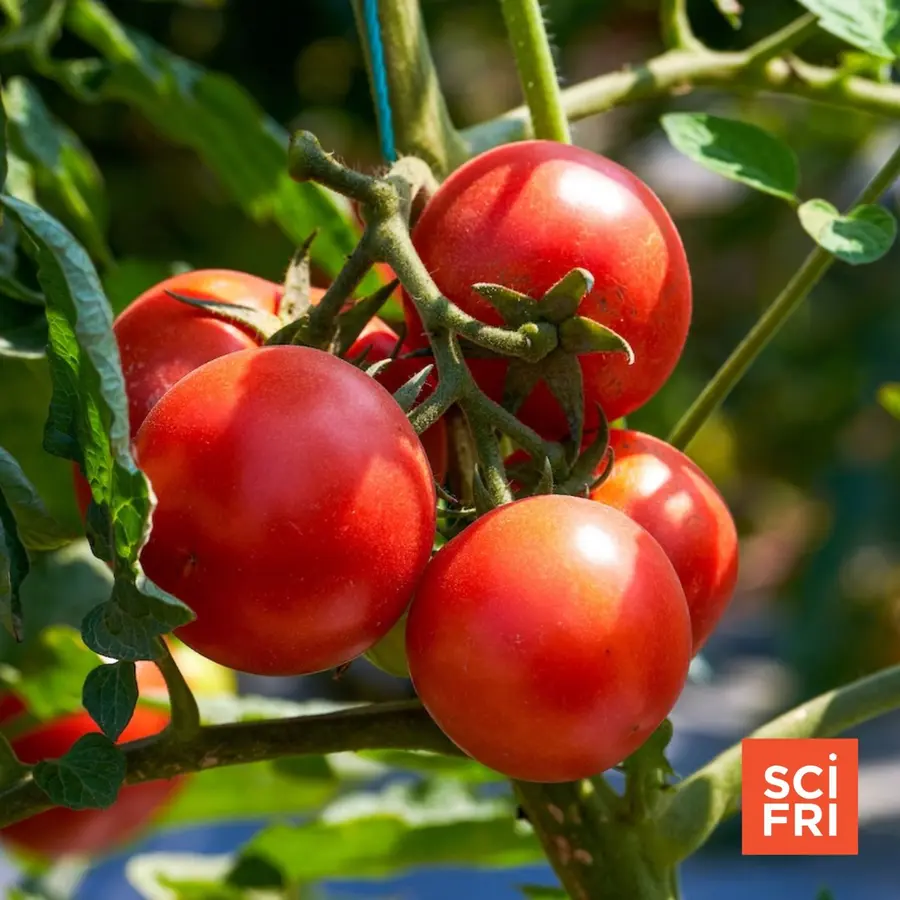
Tomatoes come in all kinds of colors, sizes, and flavors. But what’s going on at the genetic level? What makes a tomato red or yellow? Tiny or giant?
Researchers are mapping the genomes of 22 varieties of nightshades—the family of plants that includes tomatoes, potatoes, and eggplants. They located the genes that control the size of tomatoes and eggplants and then used CRISPR gene editing to grow bigger fruits without sacrificing flavor.
Tomatoes come in all kinds of colors, sizes, and flavors. But what’s going on at the genetic level? What makes a tomato red or yellow? Tiny or giant?
Researchers are mapping the genomes of 22 varieties of nightshades—the family of plants that includes tomatoes, potatoes, and eggplants. They located the genes that control the size of tomatoes and eggplants and then used CRISPR gene editing to grow bigger fruits without sacrificing flavor.
Geneticist Michael Schatz joins Host Ira Flatow to talk about his latest research into nightshade genomes and the current state of genetically modified crops.
Guest: Dr. Michael Schatz, professor of computational biology and oncology at Johns Hopkins University, based in Baltimore, Maryland.
Transcript will be available after the show airs on sciencefriday.com.
Subscribe to this podcast. Follow our show on Instagram, TikTok, Facebook, and Bluesky @scifri and sign up for our newsletters. Got a science question that’s keeping you up at night? Call us: 877-472-4374
Hosted by Simplecast, an AdsWizz company. See pcm.adswizz.com for information about our collection and use of personal data for advertising.
QUICK LINKS

This is an episodic podcast, so you can listen to it in any order, but episode one is a great place to start.
Listen to episode one hereTomatoes come in all kinds of colors, sizes, and flavors. But what’s going on at the genetic level? What makes a tomato red or yellow? Tiny or giant?
Researchers are mapping the genomes of 22 varieties of nightshades—the family of plants that includes tomatoes, potatoes, and eggplants. They located the genes that control the size of tomatoes and eggplants and then used CRISPR gene editing to grow bigger fruits without sacrificing flavor.
Geneticist Michael Schatz joins Host Ira Flatow to talk about his latest research into nightshade genomes and the current state of genetically modified crops.
Guest: Dr. Michael Schatz, professor of computational biology and oncology at Johns Hopkins University, based in Baltimore, Maryland.
Transcript will be available after the show airs on sciencefriday.com.
Subscribe to this podcast. Follow our show on Instagram, TikTok, Facebook, and Bluesky @scifri and sign up for our newsletters. Got a science question that’s keeping you up at night? Call us: 877-472-4374
Hosted by Simplecast, an AdsWizz company. See pcm.adswizz.com for information about our collection and use of personal data for advertising.
Sound Carrot is your source for Family Podcast Discovery. Verified awesome, 0% boring.
Distraction free website, no flashing banners or adverts to steal your attention.
(Some shows do contain their own ads however).
At first I made this site for my kids, but like any dad I got a little over excited. I hope you find it as useful as they do.
Whether you want to listen to them together in the car, or alone in your room - the content is all safe for younger ears.