Install SoundCarrot
Add it to your home screen for quick access.
Listened
In progress
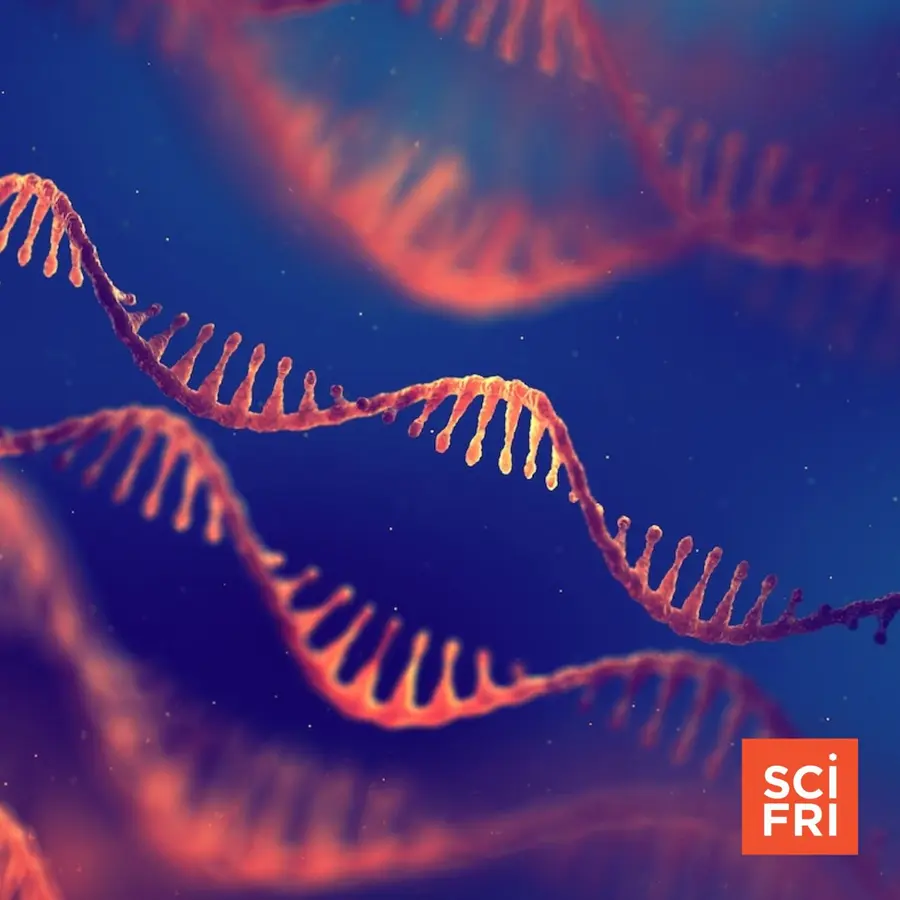
DNA has long been studied and understood as the genetic blueprint for life on Earth. And related scientific endeavors, like the Human Genome Project, have received enormous attention. But DNA’s lesser-known counterpart, RNA, which translates the instructions from those blueprints into proteins in our cells, has received far less focus.
But a lot’s changed in the last few years. The success of the mRNA COVID vaccines has led to a renewed interest in the potential medical therapies for this tiny molecular powerhouse, with applications ranging from CRISPR gene-editing to an mRNA-based cancer vaccine.
DNA has long been studied and understood as the genetic blueprint for life on Earth. And related scientific endeavors, like the Human Genome Project, have received enormous attention. But DNA’s lesser-known counterpart, RNA, which translates the instructions from those blueprints into proteins in our cells, has received far less focus.
But a lot’s changed in the last few years. The success of the mRNA COVID vaccines has led to a renewed interest in the potential medical therapies for this tiny molecular powerhouse, with applications ranging from CRISPR gene-editing to an mRNA-based cancer vaccine.
Dr. Thomas Cech, distinguished professor in biochemistry at University of Colorado, Boulder, and the author of the book The Catalyst: RNA and the Quest to Unlock Life’s Deepest Secrets, joins Ira Flatow to tell us how why RNA has gotten the shorter end of the research stick for so long, how it could help us understand the origins of life, and why this misunderstood molecule might be the key to a next generation of big scientific discoveries.
Read an excerpt from The Catalyst: RNA and the Quest to Unlock Life’s Deepest Secrets at sciencefriday.com.
Transcripts for each segment will be available after the show airs on sciencefriday.com.
Subscribe to this podcast. Follow our show on Instagram, TikTok, Facebook, and Bluesky @scifri and sign up for our newsletters. Got a science question that’s keeping you up at night? Call us: 877-472-4374
Hosted by Simplecast, an AdsWizz company. See pcm.adswizz.com for information about our collection and use of personal data for advertising.
QUICK LINKS
This is an episodic podcast, so you can listen to it in any order, but episode one is a great place to start.
Listen to episode one hereDNA has long been studied and understood as the genetic blueprint for life on Earth. And related scientific endeavors, like the Human Genome Project, have received enormous attention. But DNA’s lesser-known counterpart, RNA, which translates the instructions from those blueprints into proteins in our cells, has received far less focus.
But a lot’s changed in the last few years. The success of the mRNA COVID vaccines has led to a renewed interest in the potential medical therapies for this tiny molecular powerhouse, with applications ranging from CRISPR gene-editing to an mRNA-based cancer vaccine.
Dr. Thomas Cech, distinguished professor in biochemistry at University of Colorado, Boulder, and the author of the book The Catalyst: RNA and the Quest to Unlock Life’s Deepest Secrets, joins Ira Flatow to tell us how why RNA has gotten the shorter end of the research stick for so long, how it could help us understand the origins of life, and why this misunderstood molecule might be the key to a next generation of big scientific discoveries.
Read an excerpt from The Catalyst: RNA and the Quest to Unlock Life’s Deepest Secrets at sciencefriday.com.
Transcripts for each segment will be available after the show airs on sciencefriday.com.
Subscribe to this podcast. Follow our show on Instagram, TikTok, Facebook, and Bluesky @scifri and sign up for our newsletters. Got a science question that’s keeping you up at night? Call us: 877-472-4374
Hosted by Simplecast, an AdsWizz company. See pcm.adswizz.com for information about our collection and use of personal data for advertising.
Sound Carrot is your source for Family Podcast Discovery. Verified awesome, 0% boring.
Distraction free website, no flashing banners or adverts to steal your attention.
(Some shows do contain their own ads however).
At first I made this site for my kids, but like any dad I got a little over excited. I hope you find it as useful as they do.
Whether you want to listen to them together in the car, or alone in your room - the content is all safe for younger ears.