Install SoundCarrot
Add it to your home screen for quick access.
Listened
In progress
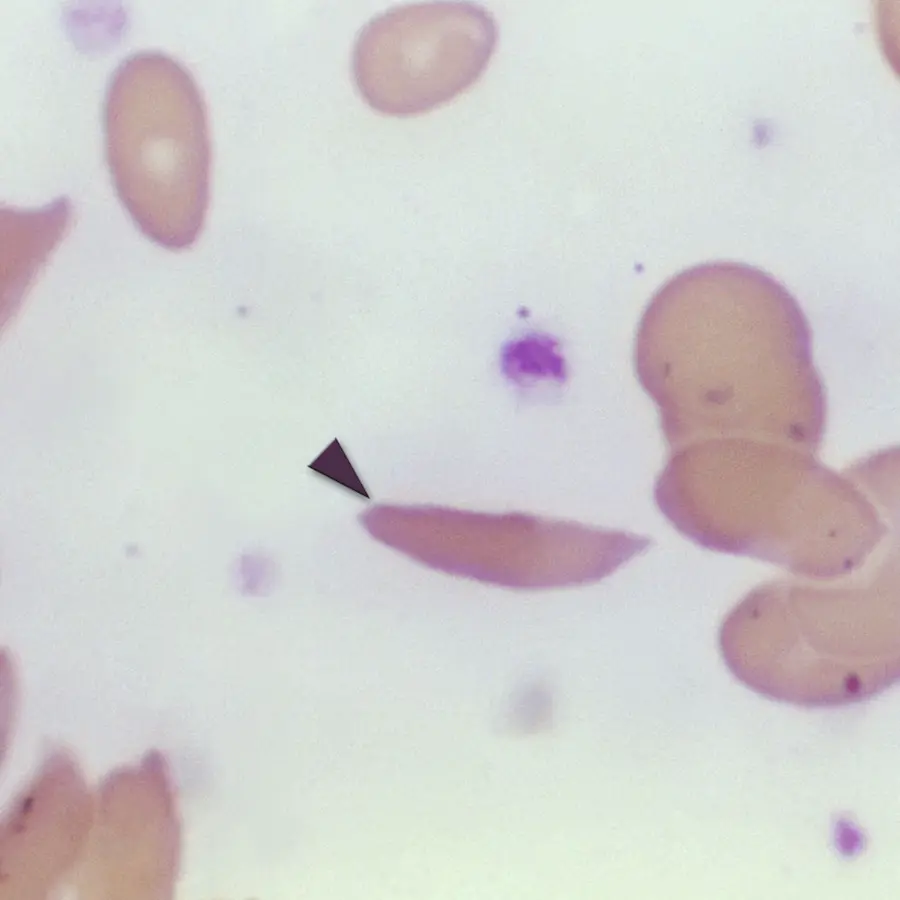
Last month the FDA approved a new treatment for sickle cell disease, the first medical therapy to use CRISPR gene editing technology. It works by identifying the gene or genes causing the disorder, modifying those genes and then returning them to the patient’s body.
There are now two gene therapies offered by pharmaceutical companies for sickle cell disease: Casgevy from Vertex Pharmaceuticals and CRISPR Therapeutics, and Lyfgenia from BlueBird Bio. But prices for these one-time treatments are steep: Casgevy costs $2.2 million per patient and Lyfgenia $3.1 million.
Last month the FDA approved a new treatment for sickle cell disease, the first medical therapy to use CRISPR gene editing technology. It works by identifying the gene or genes causing the disorder, modifying those genes and then returning them to the patient’s body.
There are now two gene therapies offered by pharmaceutical companies for sickle cell disease: Casgevy from Vertex Pharmaceuticals and CRISPR Therapeutics, and Lyfgenia from BlueBird Bio. But prices for these one-time treatments are steep: Casgevy costs $2.2 million per patient and Lyfgenia $3.1 million.
Both promise a full cure, which would be life-changing for patients with this debilitating condition. Over 100,000 Americans, mostly of African descent, have sickle cell disease.
This milestone raises more questions: What will be the next disease that CRISPR can help cure? And is it possible to reduce the costs of gene therapy treatments?
Ira talks with Dr. Fyodor Urnov, professor of molecular and cell biology and scientific director of technology and translation at the Innovative Genomics Institute, based at the University of California, Berkeley, about the future of CRISPR-based cures.
Transcripts for this segment will be available the week after the show airs on sciencefriday.com.
Subscribe to this podcast. Follow our show on Instagram, TikTok, Facebook, and Bluesky @scifri and sign up for our newsletters. Got a science question that’s keeping you up at night? Call us: 877-472-4374
Hosted by Simplecast, an AdsWizz company. See pcm.adswizz.com for information about our collection and use of personal data for advertising.
QUICK LINKS
This is an episodic podcast, so you can listen to it in any order, but episode one is a great place to start.
Listen to episode one hereLast month the FDA approved a new treatment for sickle cell disease, the first medical therapy to use CRISPR gene editing technology. It works by identifying the gene or genes causing the disorder, modifying those genes and then returning them to the patient’s body.
There are now two gene therapies offered by pharmaceutical companies for sickle cell disease: Casgevy from Vertex Pharmaceuticals and CRISPR Therapeutics, and Lyfgenia from BlueBird Bio. But prices for these one-time treatments are steep: Casgevy costs $2.2 million per patient and Lyfgenia $3.1 million.
Both promise a full cure, which would be life-changing for patients with this debilitating condition. Over 100,000 Americans, mostly of African descent, have sickle cell disease.
This milestone raises more questions: What will be the next disease that CRISPR can help cure? And is it possible to reduce the costs of gene therapy treatments?
Ira talks with Dr. Fyodor Urnov, professor of molecular and cell biology and scientific director of technology and translation at the Innovative Genomics Institute, based at the University of California, Berkeley, about the future of CRISPR-based cures.
Transcripts for this segment will be available the week after the show airs on sciencefriday.com.
Subscribe to this podcast. Follow our show on Instagram, TikTok, Facebook, and Bluesky @scifri and sign up for our newsletters. Got a science question that’s keeping you up at night? Call us: 877-472-4374
Hosted by Simplecast, an AdsWizz company. See pcm.adswizz.com for information about our collection and use of personal data for advertising.
Sound Carrot is your source for Family Podcast Discovery. Verified awesome, 0% boring.
Distraction free website, no flashing banners or adverts to steal your attention.
(Some shows do contain their own ads however).
At first I made this site for my kids, but like any dad I got a little over excited. I hope you find it as useful as they do.
Whether you want to listen to them together in the car, or alone in your room - the content is all safe for younger ears.