Install SoundCarrot
Add it to your home screen for quick access.
Listened
In progress
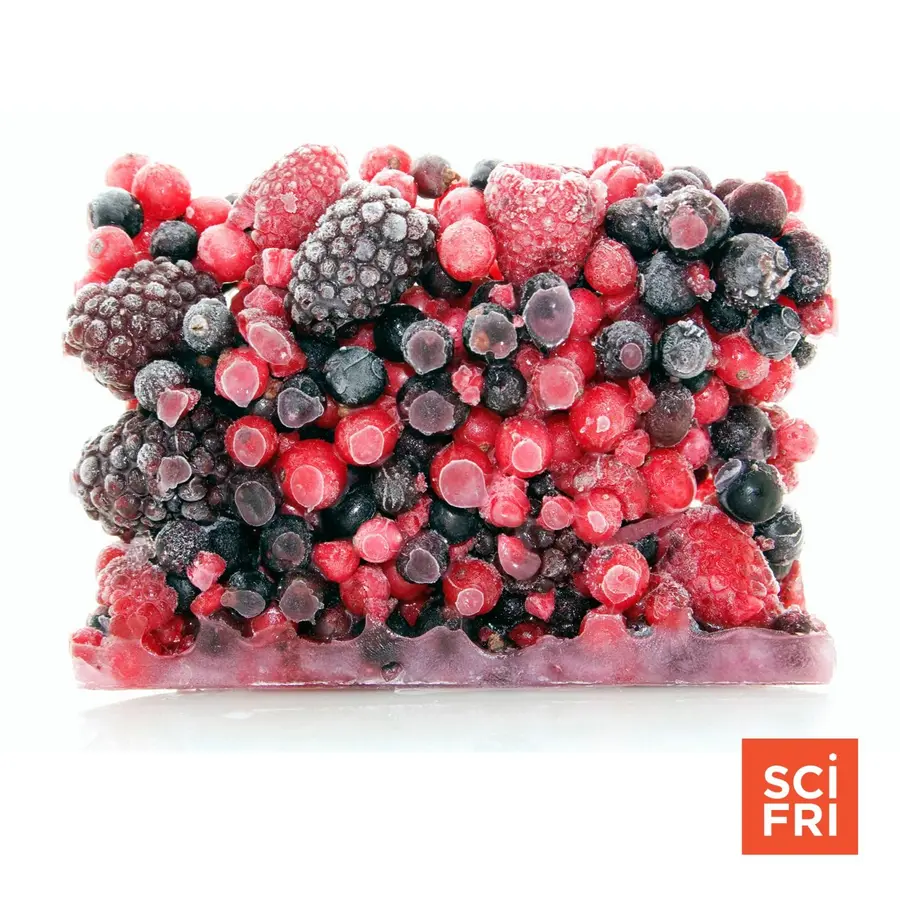
You know that disappointing feeling when you’re ready to make a delicious meal, but you crack open the refrigerator only to find mushy tomatoes, dried-out bread, or oozing strawberries?
Refrigeration fundamentally changes the chemistry of our food, but at this point, most of the United States’ food system relies on the use of refrigerators. Almost three-quarters of the food on an average American’s plate has been refrigerated during production, shipping, and storage. So how did we end up relying so heavily on the fridge? And on a warming planet, can refrigeration keep its cool?
You know that disappointing feeling when you’re ready to make a delicious meal, but you crack open the refrigerator only to find mushy tomatoes, dried-out bread, or oozing strawberries?
Refrigeration fundamentally changes the chemistry of our food, but at this point, most of the United States’ food system relies on the use of refrigerators. Almost three-quarters of the food on an average American’s plate has been refrigerated during production, shipping, and storage. So how did we end up relying so heavily on the fridge? And on a warming planet, can refrigeration keep its cool?
A new book called Frostbite: How Refrigeration Changed Our Food, Our Planet, and Ourselves challenges the definition of “freshness” and our relationship with the fridge. SciFri’s John Dankosky talks with author Nicola Twilley, co-host of the podcast “Gastropod.”
Read an excerpt from Frostbite: How Refrigeration Changed Our Food, Our Planet.
Transcript for this segment will be available after the show airs on sciencefriday.com.
Subscribe to this podcast. Follow our show on Instagram, TikTok, Facebook, and Bluesky @scifri and sign up for our newsletters. Got a science question that’s keeping you up at night? Call us: 877-472-4374
Hosted by Simplecast, an AdsWizz company. See pcm.adswizz.com for information about our collection and use of personal data for advertising.
QUICK LINKS

This is an episodic podcast, so you can listen to it in any order, but episode one is a great place to start.
Listen to episode one hereYou know that disappointing feeling when you’re ready to make a delicious meal, but you crack open the refrigerator only to find mushy tomatoes, dried-out bread, or oozing strawberries?
Refrigeration fundamentally changes the chemistry of our food, but at this point, most of the United States’ food system relies on the use of refrigerators. Almost three-quarters of the food on an average American’s plate has been refrigerated during production, shipping, and storage. So how did we end up relying so heavily on the fridge? And on a warming planet, can refrigeration keep its cool?
A new book called Frostbite: How Refrigeration Changed Our Food, Our Planet, and Ourselves challenges the definition of “freshness” and our relationship with the fridge. SciFri’s John Dankosky talks with author Nicola Twilley, co-host of the podcast “Gastropod.”
Read an excerpt from Frostbite: How Refrigeration Changed Our Food, Our Planet.
Transcript for this segment will be available after the show airs on sciencefriday.com.
Subscribe to this podcast. Follow our show on Instagram, TikTok, Facebook, and Bluesky @scifri and sign up for our newsletters. Got a science question that’s keeping you up at night? Call us: 877-472-4374
Hosted by Simplecast, an AdsWizz company. See pcm.adswizz.com for information about our collection and use of personal data for advertising.
Sound Carrot is your source for Family Podcast Discovery. Verified awesome, 0% boring.
Distraction free website, no flashing banners or adverts to steal your attention.
(Some shows do contain their own ads however).
At first I made this site for my kids, but like any dad I got a little over excited. I hope you find it as useful as they do.
Whether you want to listen to them together in the car, or alone in your room - the content is all safe for younger ears.