Install SoundCarrot
Add it to your home screen for quick access.
Listened
In progress
Last week, NASA’s Psyche spacecraft launched successfully from the Kennedy Space Center. It’s now on a six-year trip to an asteroid, also called Psyche, located in the solar system’s main asteroid belt between Mars and Jupiter. Unlike previously studied asteroids, it’s not composed mostly of rock or ice. The Psyche spacecraft's target is largely made of metal, thought to be around 60% iron and nickel.
Scientists aren’t sure if the asteroid is a proto-planetary core, or something else entirely. They’re hoping that studying the metal-rich asteroid might help teach them about how planets form. Some researchers are also interested in learning what 16 Psyche might be able to teach them about the possibility of future space mining operations—though this particular space object is too far away and too impractical to attempt any kind of sample return, let alone its retrieval.
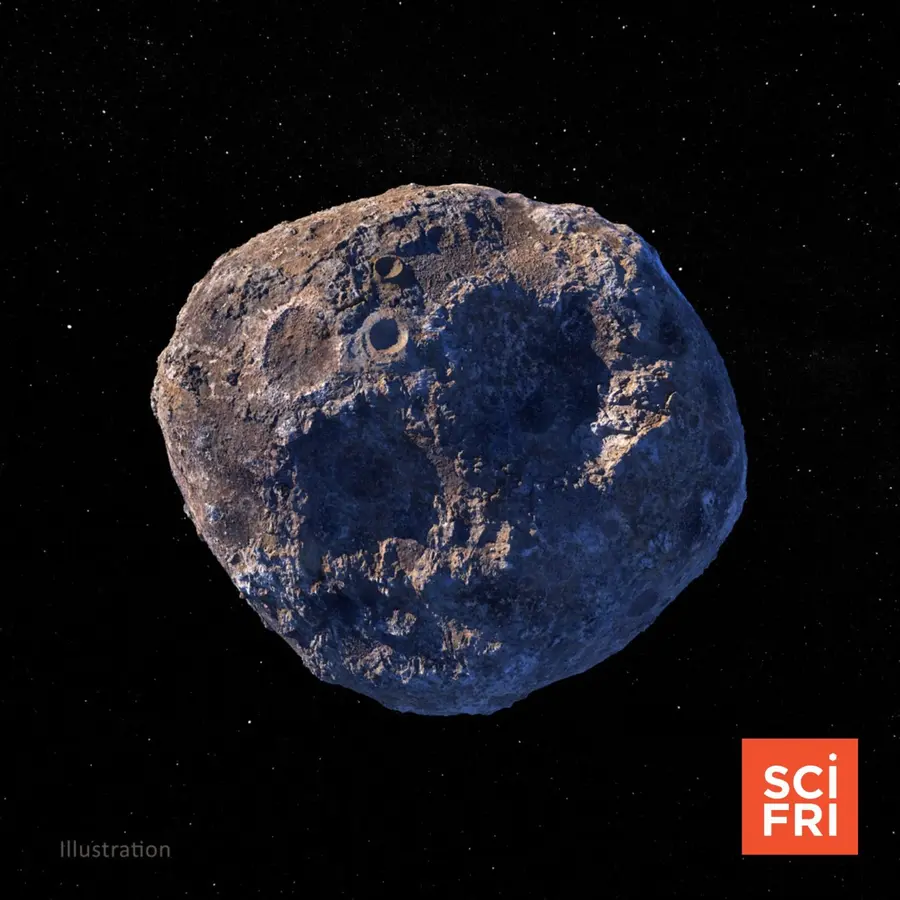
Last week, NASA’s Psyche spacecraft launched successfully from the Kennedy Space Center. It’s now on a six-year trip to an asteroid, also called Psyche, located in the solar system’s main asteroid belt between Mars and Jupiter. Unlike previously studied asteroids, it’s not composed mostly of rock or ice. The Psyche spacecraft's target is largely made of metal, thought to be around 60% iron and nickel. The mission won’t actually land on the asteroid—all of its observations will happen from orbit, and will involve imaging, spectroscopy, and magnetometer studies.
Scientists aren’t sure if the asteroid is a proto-planetary core, or something else entirely. They’re hoping that studying the metal-rich asteroid might help teach them about how planets form. Some researchers are also interested in learning what 16 Psyche might be able to teach them about the possibility of future space mining operations—though this particular space object is too far away and too impractical to attempt any kind of sample return, let alone its retrieval. (Plus, suddenly selling the amount of metal an entire astroid holds would completely disrupt the global market, making it almost worthless.)
Dr. Lindy Elkins-Tanton, the principal investigator for the Psyche mission and vice president for Arizona State University’s Interplanetary Initiative, joins guest host Swapna Krishna to talk about the mission and its goals.
To stay updated on all things science, sign up for Science Friday's newsletters. Transcripts for each segment will be available the week after the show airs on sciencefriday.com.
Subscribe to this podcast. Follow our show on Instagram, TikTok, Facebook, and Bluesky @scifri and sign up for our newsletters. Got a science question that’s keeping you up at night? Call us: 877-472-4374
Hosted by Simplecast, an AdsWizz company. See pcm.adswizz.com for information about our collection and use of personal data for advertising.
QUICK LINKS

This is an episodic podcast, so you can listen to it in any order, but episode one is a great place to start.
Listen to episode one hereLast week, NASA’s Psyche spacecraft launched successfully from the Kennedy Space Center. It’s now on a six-year trip to an asteroid, also called Psyche, located in the solar system’s main asteroid belt between Mars and Jupiter. Unlike previously studied asteroids, it’s not composed mostly of rock or ice. The Psyche spacecraft's target is largely made of metal, thought to be around 60% iron and nickel. The mission won’t actually land on the asteroid—all of its observations will happen from orbit, and will involve imaging, spectroscopy, and magnetometer studies.
Scientists aren’t sure if the asteroid is a proto-planetary core, or something else entirely. They’re hoping that studying the metal-rich asteroid might help teach them about how planets form. Some researchers are also interested in learning what 16 Psyche might be able to teach them about the possibility of future space mining operations—though this particular space object is too far away and too impractical to attempt any kind of sample return, let alone its retrieval. (Plus, suddenly selling the amount of metal an entire astroid holds would completely disrupt the global market, making it almost worthless.)
Dr. Lindy Elkins-Tanton, the principal investigator for the Psyche mission and vice president for Arizona State University’s Interplanetary Initiative, joins guest host Swapna Krishna to talk about the mission and its goals.
To stay updated on all things science, sign up for Science Friday's newsletters. Transcripts for each segment will be available the week after the show airs on sciencefriday.com.
Subscribe to this podcast. Follow our show on Instagram, TikTok, Facebook, and Bluesky @scifri and sign up for our newsletters. Got a science question that’s keeping you up at night? Call us: 877-472-4374
Hosted by Simplecast, an AdsWizz company. See pcm.adswizz.com for information about our collection and use of personal data for advertising.
Sound Carrot is your source for Family Podcast Discovery. Verified awesome, 0% boring.
Distraction free website, no flashing banners or adverts to steal your attention.
(Some shows do contain their own ads however).
At first I made this site for my kids, but like any dad I got a little over excited. I hope you find it as useful as they do.
Whether you want to listen to them together in the car, or alone in your room - the content is all safe for younger ears.