Install SoundCarrot
Add it to your home screen for quick access.
Listened
In progress
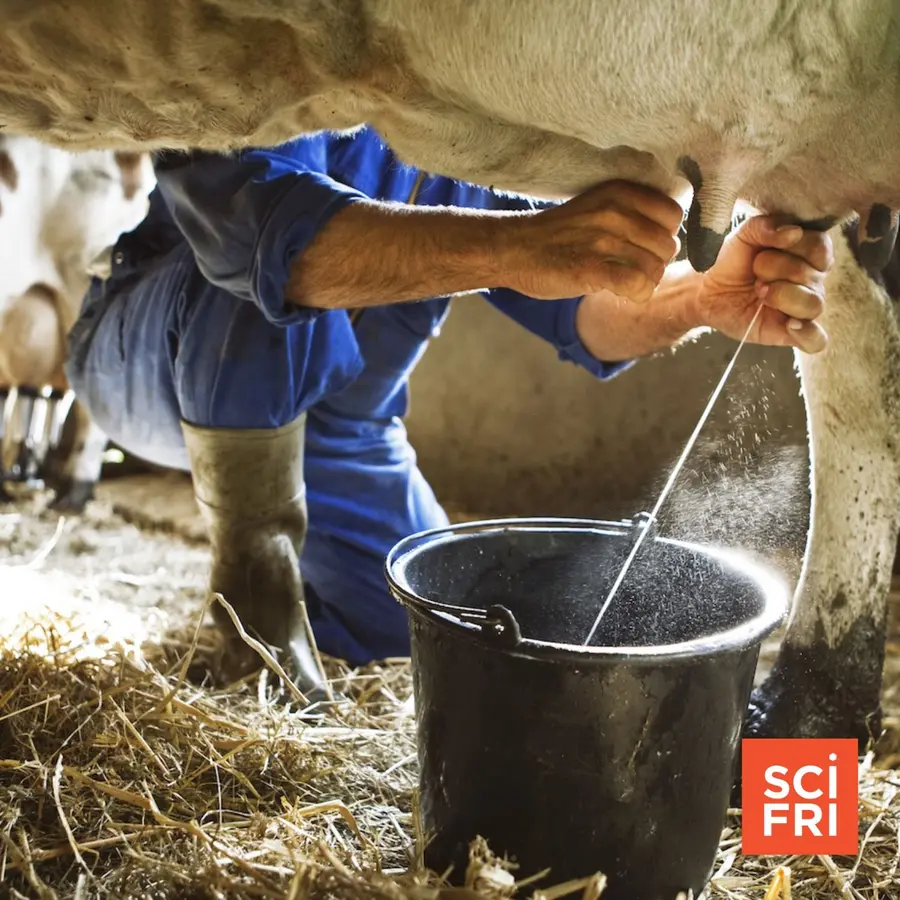
According to a 2022 study, just over 4% of Americans said they had consumed raw milk in the past year. That might not sound like a lot, but it adds up to around 15 million people. And those numbers seem to be increasing. According to data from the market research agency NielsenIQ from May, sales of raw milk increased by as much as 65% compared to that time last year.
This increase coincides with a recent trend of influencers and other public figures promoting raw milk as a completely safe and healthier alternative to pasteurized milk.
According to a 2022 study, just over 4% of Americans said they had consumed raw milk in the past year. That might not sound like a lot, but it adds up to around 15 million people. And those numbers seem to be increasing. According to data from the market research agency NielsenIQ from May, sales of raw milk increased by as much as 65% compared to that time last year.
This increase coincides with a recent trend of influencers and other public figures promoting raw milk as a completely safe and healthier alternative to pasteurized milk.
But despite claims about its safety, raw milk is more likely to contain pathogens than pasteurized milk, which is heated to kill harmful microbes. According to records released last week, some 165 people were sickened by salmonella linked to raw products from a single farm in California as of February, the largest raw milk-related salmonella outbreak in a decade. And the CDC recently reported that dairy cows in 13 states were infected with the H5N1 virus, also known as bird flu.
Host Rachel Feltman is joined by Dr. Céline Gounder, editor-at-large for public health at KFF Health News and Dr. Nicole Helen Martin, assistant research professor in dairy foods microbiology at Cornell University, to talk about the dangers of health misinformation and how the risks of drinking raw milk can far outweigh its potential benefits.
Transcripts for each segment will be available after the show airs on sciencefriday.com.
Subscribe to this podcast. Follow our show on Instagram, TikTok, Facebook, and Bluesky @scifri and sign up for our newsletters. Got a science question that’s keeping you up at night? Call us: 877-472-4374
Hosted by Simplecast, an AdsWizz company. See pcm.adswizz.com for information about our collection and use of personal data for advertising.
QUICK LINKS

This is an episodic podcast, so you can listen to it in any order, but episode one is a great place to start.
Listen to episode one hereAccording to a 2022 study, just over 4% of Americans said they had consumed raw milk in the past year. That might not sound like a lot, but it adds up to around 15 million people. And those numbers seem to be increasing. According to data from the market research agency NielsenIQ from May, sales of raw milk increased by as much as 65% compared to that time last year.
This increase coincides with a recent trend of influencers and other public figures promoting raw milk as a completely safe and healthier alternative to pasteurized milk.
But despite claims about its safety, raw milk is more likely to contain pathogens than pasteurized milk, which is heated to kill harmful microbes. According to records released last week, some 165 people were sickened by salmonella linked to raw products from a single farm in California as of February, the largest raw milk-related salmonella outbreak in a decade. And the CDC recently reported that dairy cows in 13 states were infected with the H5N1 virus, also known as bird flu.
Host Rachel Feltman is joined by Dr. Céline Gounder, editor-at-large for public health at KFF Health News and Dr. Nicole Helen Martin, assistant research professor in dairy foods microbiology at Cornell University, to talk about the dangers of health misinformation and how the risks of drinking raw milk can far outweigh its potential benefits.
Transcripts for each segment will be available after the show airs on sciencefriday.com.
Subscribe to this podcast. Follow our show on Instagram, TikTok, Facebook, and Bluesky @scifri and sign up for our newsletters. Got a science question that’s keeping you up at night? Call us: 877-472-4374
Hosted by Simplecast, an AdsWizz company. See pcm.adswizz.com for information about our collection and use of personal data for advertising.
Sound Carrot is your source for Family Podcast Discovery. Verified awesome, 0% boring.
Distraction free website, no flashing banners or adverts to steal your attention.
(Some shows do contain their own ads however).
At first I made this site for my kids, but like any dad I got a little over excited. I hope you find it as useful as they do.
Whether you want to listen to them together in the car, or alone in your room - the content is all safe for younger ears.