Install SoundCarrot
Add it to your home screen for quick access.
Listened
In progress
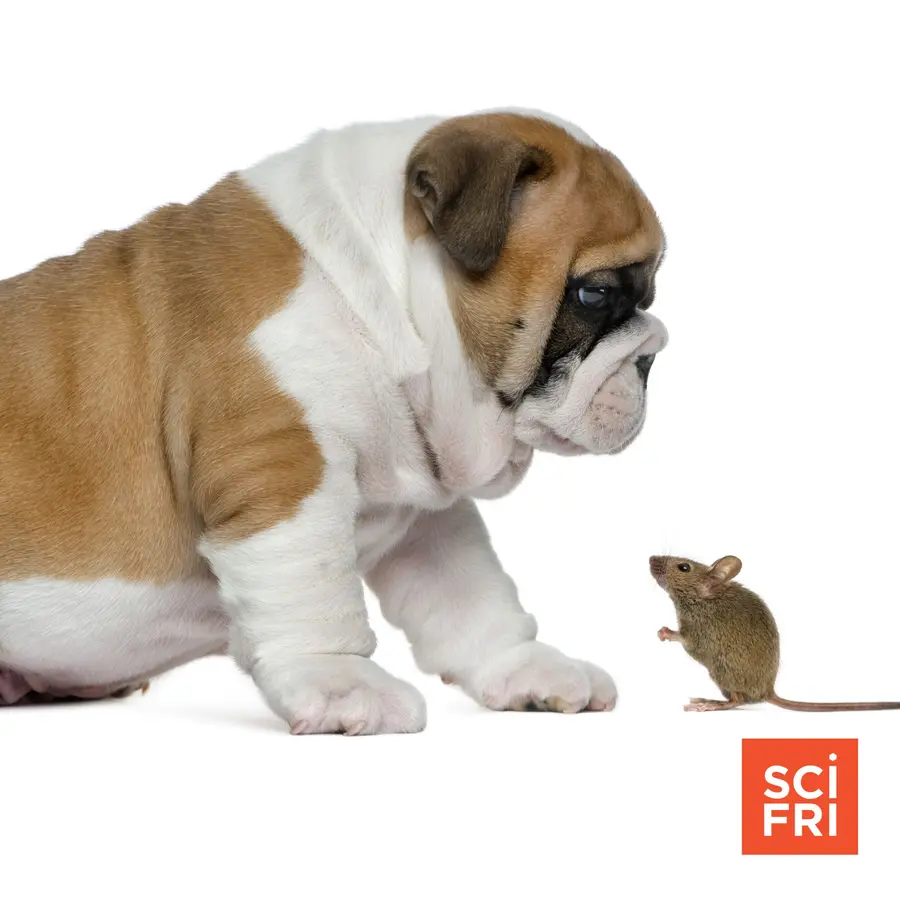
Animal neuroaudiologist Pete Scheifele joins us to answer some burning questions from SciFri listener Paul: Why can dogs and cats hear a wider range of frequencies than we do? Is it in their ears, their brains? And what would life be like if you had dog ears or cat ears?
And, scientists have created the first “smell map” of the nose using a mouse model. Host Flora Lichtman talks with neurobiologist Bob Datta about this latest research, and what it tells us about olfaction.
Animal neuroaudiologist Pete Scheifele joins us to answer some burning questions from SciFri listener Paul: Why can dogs and cats hear a wider range of frequencies than we do? Is it in their ears, their brains? And what would life be like if you had dog ears or cat ears?
And, scientists have created the first “smell map” of the nose using a mouse model. Host Flora Lichtman talks with neurobiologist Bob Datta about this latest research, and what it tells us about olfaction.
Guests:
Dr. Pete Scheifele is a neuroaudiologist at the University of Cincinnati and executive director of the FETCHLAB, an animal audiology clinic and lab.
Dr. Bob Datta is a neurobiologist at Harvard Medical School.
Other episodes you may enjoy:
What’s That Smell? An AI Nose Knows
Blood In The Water: Shark Smell Put To The Test
Transcripts for each episode are available within 1-3 days at sciencefriday.com.
Subscribe to this podcast. Follow our show on Instagram, TikTok, Facebook, and Bluesky @scifri and sign up for our newsletters. Got a science question that’s keeping you up at night? Call us: 877-472-4374
Hosted by Simplecast, an AdsWizz company. See pcm.adswizz.com for information about our collection and use of personal data for advertising.
QUICK LINKS
This is an episodic podcast, so you can listen to it in any order, but episode one is a great place to start.
Listen to episode one hereAnimal neuroaudiologist Pete Scheifele joins us to answer some burning questions from SciFri listener Paul: Why can dogs and cats hear a wider range of frequencies than we do? Is it in their ears, their brains? And what would life be like if you had dog ears or cat ears?
And, scientists have created the first “smell map” of the nose using a mouse model. Host Flora Lichtman talks with neurobiologist Bob Datta about this latest research, and what it tells us about olfaction.
Guests:
Dr. Pete Scheifele is a neuroaudiologist at the University of Cincinnati and executive director of the FETCHLAB, an animal audiology clinic and lab.
Dr. Bob Datta is a neurobiologist at Harvard Medical School.
Other episodes you may enjoy:
What’s That Smell? An AI Nose Knows
Blood In The Water: Shark Smell Put To The Test
Transcripts for each episode are available within 1-3 days at sciencefriday.com.
Subscribe to this podcast. Follow our show on Instagram, TikTok, Facebook, and Bluesky @scifri and sign up for our newsletters. Got a science question that’s keeping you up at night? Call us: 877-472-4374
Hosted by Simplecast, an AdsWizz company. See pcm.adswizz.com for information about our collection and use of personal data for advertising.
Sound Carrot is your source for Family Podcast Discovery. Verified awesome, 0% boring.
Distraction free website, no flashing banners or adverts to steal your attention.
(Some shows do contain their own ads however).
At first I made this site for my kids, but like any dad I got a little over excited. I hope you find it as useful as they do.
Whether you want to listen to them together in the car, or alone in your room - the content is all safe for younger ears.