Install SoundCarrot
Add it to your home screen for quick access.
Listened
In progress
For many people in the US, the threat of nuclear weapons is out of sight and out of mind. But the nuclear complex is alive and well. In fact, the state of nuclear weapons is evolving in the US. The United States, among other countries, is giving its nuclear arsenal—which contains about 5,000 weapons—a makeover. This modernization costs around $50 billion a year, which will amount to more than $1.5 trillion over the next few decades.
With the Treaty on the Non-Proliferation of Nuclear Weapons in place, countries should be stopping the spread of nuclear weapons and technology. That raises the question: If nearly all countries have agreed not to nuke each other, why are nuclear arsenals being updated? And what does that signal to the world?
For many people in the US, the threat of nuclear weapons is out of sight and out of mind. But the nuclear complex is alive and well. In fact, the state of nuclear weapons is evolving in the US. The United States, among other countries, is giving its nuclear arsenal—which contains about 5,000 weapons—a makeover. This modernization costs around $50 billion a year, which will amount to more than $1.5 trillion over the next few decades.
With the Treaty on the Non-Proliferation of Nuclear Weapons in place, countries should be stopping the spread of nuclear weapons and technology. That raises the question: If nearly all countries have agreed not to nuke each other, why are nuclear arsenals being updated? And what does that signal to the world?
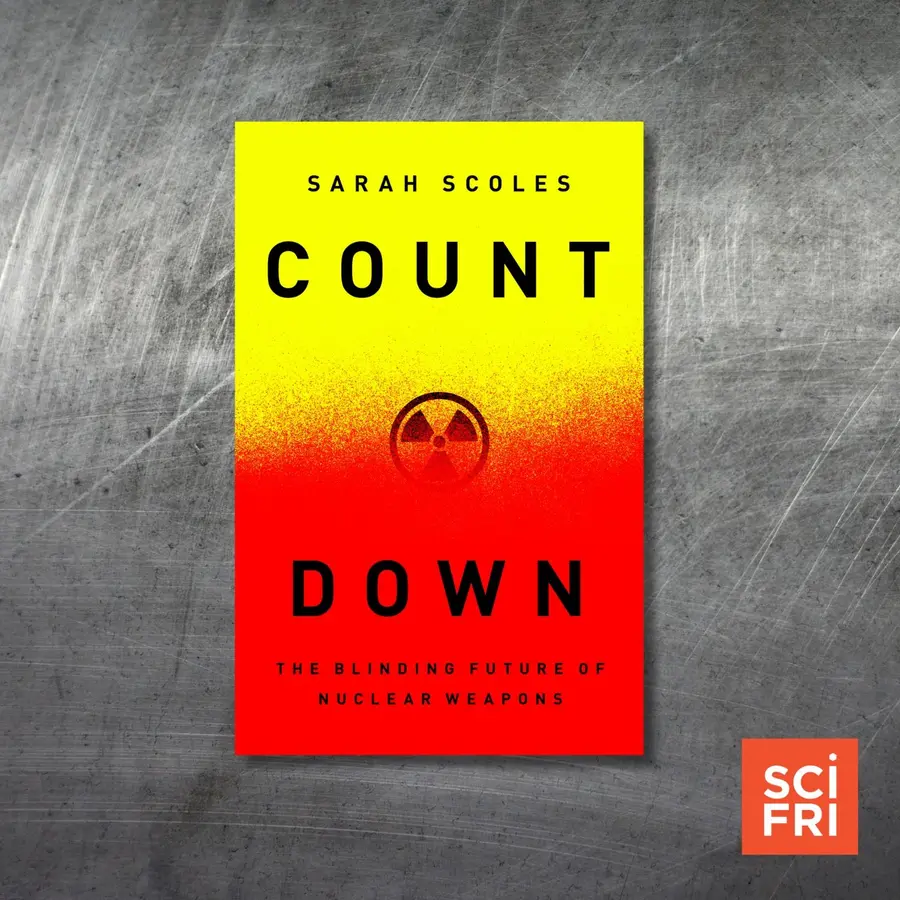
In her new book Countdown: The Blinding Future of Nuclear Weapons, science journalist and author Sarah Scoles analyzes the current nuclear age, speaks with the scientists in charge of nuclear weapons, and asks, do more nukes keep us safer?
Scoles talks with Ira about why the US is modernizing its nuclear arsenal, the role of science in nuclear deterrence, and why this moment in nuclear history is so important.
Transcripts for each segment will be available after the show airs on sciencefriday.com.
Subscribe to this podcast. Follow our show on Instagram, TikTok, Facebook, and Bluesky @scifri and sign up for our newsletters. Got a science question that’s keeping you up at night? Call us: 877-472-4374
Hosted by Simplecast, an AdsWizz company. See pcm.adswizz.com for information about our collection and use of personal data for advertising.
QUICK LINKS

This is an episodic podcast, so you can listen to it in any order, but episode one is a great place to start.
Listen to episode one hereFor many people in the US, the threat of nuclear weapons is out of sight and out of mind. But the nuclear complex is alive and well. In fact, the state of nuclear weapons is evolving in the US. The United States, among other countries, is giving its nuclear arsenal—which contains about 5,000 weapons—a makeover. This modernization costs around $50 billion a year, which will amount to more than $1.5 trillion over the next few decades.
With the Treaty on the Non-Proliferation of Nuclear Weapons in place, countries should be stopping the spread of nuclear weapons and technology. That raises the question: If nearly all countries have agreed not to nuke each other, why are nuclear arsenals being updated? And what does that signal to the world?
In her new book Countdown: The Blinding Future of Nuclear Weapons, science journalist and author Sarah Scoles analyzes the current nuclear age, speaks with the scientists in charge of nuclear weapons, and asks, do more nukes keep us safer?
Scoles talks with Ira about why the US is modernizing its nuclear arsenal, the role of science in nuclear deterrence, and why this moment in nuclear history is so important.
Transcripts for each segment will be available after the show airs on sciencefriday.com.
Subscribe to this podcast. Follow our show on Instagram, TikTok, Facebook, and Bluesky @scifri and sign up for our newsletters. Got a science question that’s keeping you up at night? Call us: 877-472-4374
Hosted by Simplecast, an AdsWizz company. See pcm.adswizz.com for information about our collection and use of personal data for advertising.
Sound Carrot is your source for Family Podcast Discovery. Verified awesome, 0% boring.
Distraction free website, no flashing banners or adverts to steal your attention.
(Some shows do contain their own ads however).
At first I made this site for my kids, but like any dad I got a little over excited. I hope you find it as useful as they do.
Whether you want to listen to them together in the car, or alone in your room - the content is all safe for younger ears.