Install SoundCarrot
Add it to your home screen for quick access.
Listened
In progress
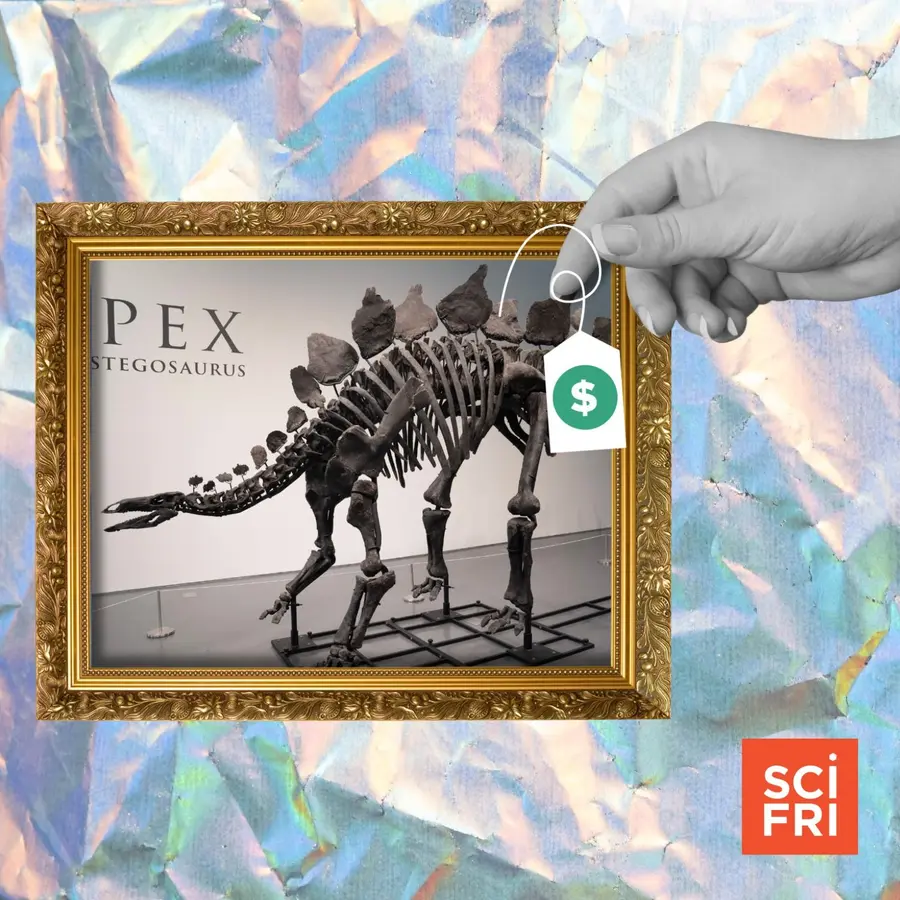
On July 17, Apex the stegosaurus was sold at Sothebys in New York City for a record $44.6 million. The buyer was billionaire Ken Griffin, CEO of the hedge fund Citadel, who says he plans to loan the fossil to American institutions for display.
But despite Griffin’s statement, some paleontologists aren’t too happy about the trend of fossils going up for auction.
On July 17, Apex the stegosaurus was sold at Sothebys in New York City for a record $44.6 million. The buyer was billionaire Ken Griffin, CEO of the hedge fund Citadel, who says he plans to loan the fossil to American institutions for display.
But despite Griffin’s statement, some paleontologists aren’t too happy about the trend of fossils going up for auction.
The sale of dinosaur fossils has become more and more profitable in recent years. Eight out of the ten most expensive fossils have been sold in the last four years. This trend of rising sale prices leaves museums and research institutions unable to pay for fossils that could benefit paleontological research.
Paleontologists fear that as more and more fossils become privately owned, the availability of fossils for research and even access to dig sites might decrease or be restricted.
SciFri guest host and producer Kathleen Davis is joined by Dr. Steve Brusatte, professor of paleontology at the University of Edinburgh in Scotland to talk about the potential scientific impacts of privatizing and selling fossils.
Transcript for this segment will be available after the show airs on sciencefriday.com.
Subscribe to this podcast. Follow our show on Instagram, TikTok, Facebook, and Bluesky @scifri and sign up for our newsletters. Got a science question that’s keeping you up at night? Call us: 877-472-4374
Hosted by Simplecast, an AdsWizz company. See pcm.adswizz.com for information about our collection and use of personal data for advertising.
QUICK LINKS

This is an episodic podcast, so you can listen to it in any order, but episode one is a great place to start.
Listen to episode one hereOn July 17, Apex the stegosaurus was sold at Sothebys in New York City for a record $44.6 million. The buyer was billionaire Ken Griffin, CEO of the hedge fund Citadel, who says he plans to loan the fossil to American institutions for display.
But despite Griffin’s statement, some paleontologists aren’t too happy about the trend of fossils going up for auction.
The sale of dinosaur fossils has become more and more profitable in recent years. Eight out of the ten most expensive fossils have been sold in the last four years. This trend of rising sale prices leaves museums and research institutions unable to pay for fossils that could benefit paleontological research.
Paleontologists fear that as more and more fossils become privately owned, the availability of fossils for research and even access to dig sites might decrease or be restricted.
SciFri guest host and producer Kathleen Davis is joined by Dr. Steve Brusatte, professor of paleontology at the University of Edinburgh in Scotland to talk about the potential scientific impacts of privatizing and selling fossils.
Transcript for this segment will be available after the show airs on sciencefriday.com.
Subscribe to this podcast. Follow our show on Instagram, TikTok, Facebook, and Bluesky @scifri and sign up for our newsletters. Got a science question that’s keeping you up at night? Call us: 877-472-4374
Hosted by Simplecast, an AdsWizz company. See pcm.adswizz.com for information about our collection and use of personal data for advertising.
Sound Carrot is your source for Family Podcast Discovery. Verified awesome, 0% boring.
Distraction free website, no flashing banners or adverts to steal your attention.
(Some shows do contain their own ads however).
At first I made this site for my kids, but like any dad I got a little over excited. I hope you find it as useful as they do.
Whether you want to listen to them together in the car, or alone in your room - the content is all safe for younger ears.