Install SoundCarrot
Add it to your home screen for quick access.
Listened
In progress
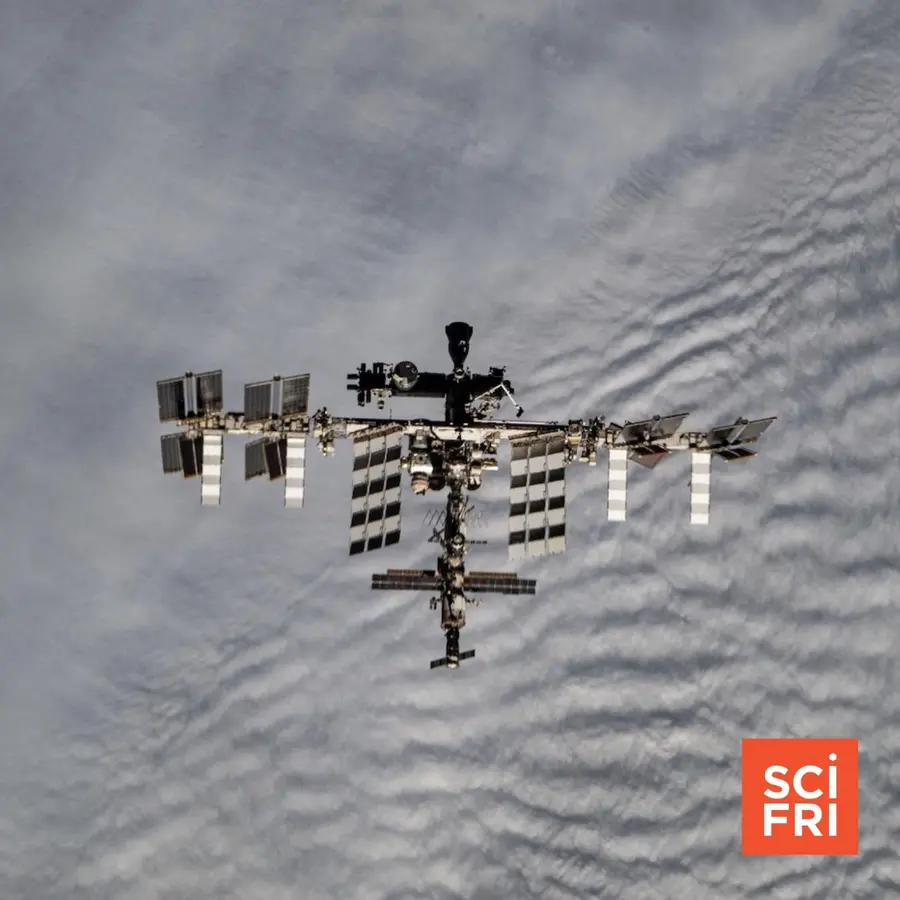
NASA is planning to decommission the International Space Station by the end of 2030. The ISS, which began operations in 2000, is reaching the end of its lifespan and has become costly to maintain. NASA selected SpaceX to construct a vehicle that would “de-orbit” the football field-sized station, pushing it down into the atmosphere where it’ll burn up safely over the Pacific ocean.
So what comes next? So far, NASA has awarded contracts to private companies including Axiom Space, Blue Origin, Northrup Grumman, and Starlab to support the research and development for commercial space stations which would help facilitate future research in orbit, among their own space tourism offerings. Next year, NASA will certify one or more of these companies to build at least one space station, where it’ll then become one of many customers to purchase services from the new facilities.
NASA is planning to decommission the International Space Station by the end of 2030. The ISS, which began operations in 2000, is reaching the end of its lifespan and has become costly to maintain. NASA selected SpaceX to construct a vehicle that would “de-orbit” the football field-sized station, pushing it down into the atmosphere where it’ll burn up safely over the Pacific ocean.
So what comes next? So far, NASA has awarded contracts to private companies including Axiom Space, Blue Origin, Northrup Grumman, and Starlab to support the research and development for commercial space stations which would help facilitate future research in orbit, among their own space tourism offerings. Next year, NASA will certify one or more of these companies to build at least one space station, where it’ll then become one of many customers to purchase services from the new facilities.
Loren Grush, space reporter at Bloomberg News, joins Host Ira Flatow to discuss who’s in the running and how future space stations could differ from the one we know today. She also talks about her recent trip to the headquarters of Vast, one of the companies competing for this contract, to learn more about its cryptocurrency origins and its high-level recruitments from NASA and Apple.
Transcripts for each segment will be available after the show airs on sciencefriday.com.
Subscribe to this podcast. Follow our show on Instagram, TikTok, Facebook, and Bluesky @scifri and sign up for our newsletters. Got a science question that’s keeping you up at night? Call us: 877-472-4374
Hosted by Simplecast, an AdsWizz company. See pcm.adswizz.com for information about our collection and use of personal data for advertising.
QUICK LINKS

This is an episodic podcast, so you can listen to it in any order, but episode one is a great place to start.
Listen to episode one hereNASA is planning to decommission the International Space Station by the end of 2030. The ISS, which began operations in 2000, is reaching the end of its lifespan and has become costly to maintain. NASA selected SpaceX to construct a vehicle that would “de-orbit” the football field-sized station, pushing it down into the atmosphere where it’ll burn up safely over the Pacific ocean.
So what comes next? So far, NASA has awarded contracts to private companies including Axiom Space, Blue Origin, Northrup Grumman, and Starlab to support the research and development for commercial space stations which would help facilitate future research in orbit, among their own space tourism offerings. Next year, NASA will certify one or more of these companies to build at least one space station, where it’ll then become one of many customers to purchase services from the new facilities.
Loren Grush, space reporter at Bloomberg News, joins Host Ira Flatow to discuss who’s in the running and how future space stations could differ from the one we know today. She also talks about her recent trip to the headquarters of Vast, one of the companies competing for this contract, to learn more about its cryptocurrency origins and its high-level recruitments from NASA and Apple.
Transcripts for each segment will be available after the show airs on sciencefriday.com.
Subscribe to this podcast. Follow our show on Instagram, TikTok, Facebook, and Bluesky @scifri and sign up for our newsletters. Got a science question that’s keeping you up at night? Call us: 877-472-4374
Hosted by Simplecast, an AdsWizz company. See pcm.adswizz.com for information about our collection and use of personal data for advertising.
Sound Carrot is your source for Family Podcast Discovery. Verified awesome, 0% boring.
Distraction free website, no flashing banners or adverts to steal your attention.
(Some shows do contain their own ads however).
At first I made this site for my kids, but like any dad I got a little over excited. I hope you find it as useful as they do.
Whether you want to listen to them together in the car, or alone in your room - the content is all safe for younger ears.