Install SoundCarrot
Add it to your home screen for quick access.
Listened
In progress
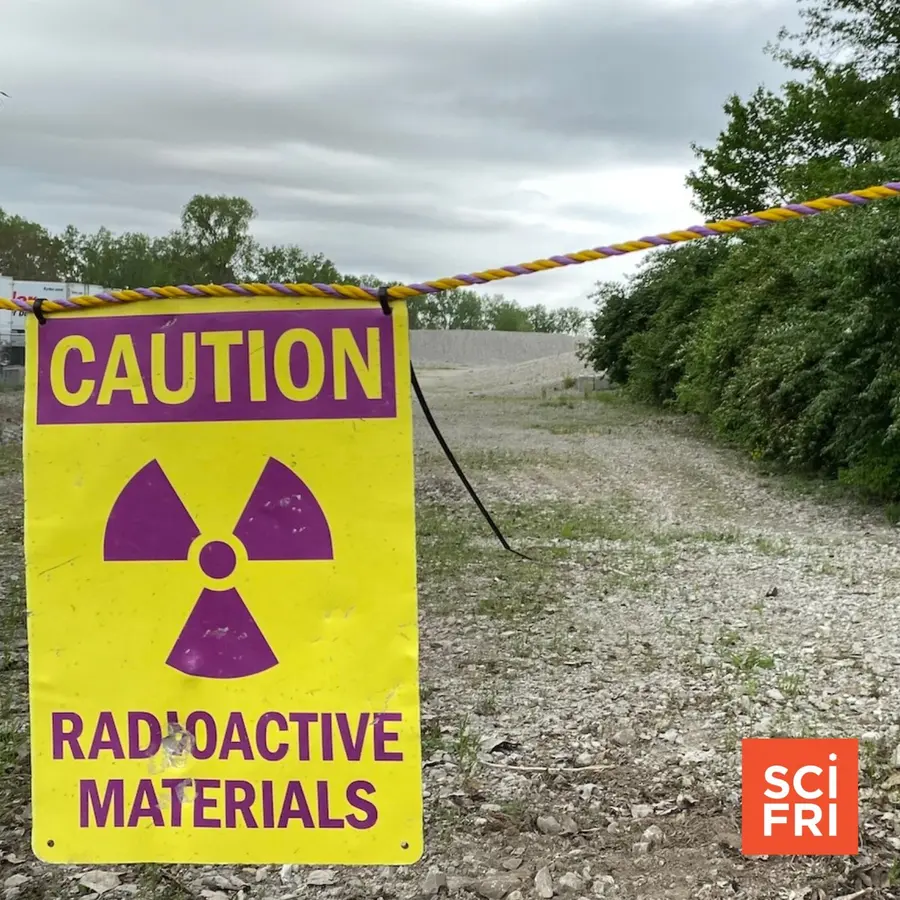
Superfund sites are some of the most polluted areas in the country, containing highly toxic waste such as asbestos, lead, and dioxin. Cleaning them up, which follows a systematic, science-based process as required by law, can take decades.
There are more than 1,300 of these sites across the US, from Florida’s Panhandle to the banks of the Rio Grande in New Mexico. They’re found in nearly every state, often near residential areas. The EPA estimates that 78 million people live within three miles of a Superfund site—nearly 1 in 4 Americans.
Superfund sites are some of the most polluted areas in the country, containing highly toxic waste such as asbestos, lead, and dioxin. Cleaning them up, which follows a systematic, science-based process as required by law, can take decades.
There are more than 1,300 of these sites across the US, from Florida’s Panhandle to the banks of the Rio Grande in New Mexico. They’re found in nearly every state, often near residential areas. The EPA estimates that 78 million people live within three miles of a Superfund site—nearly 1 in 4 Americans.
But these waste dumps face a growing threat: the worsening effects of climate change. The EPA has determined that more than 300 Superfund sites are at risk of flooding. The actual number of flood-prone sites, however, may be more than twice that amount, according to a 2021 Government Accountability Office report. Floodwaters can move toxic waste into neighboring communities, which threatens drinking water, agriculture, and broader ecosystem health.
Read more at sciencefriday.com
Transcripts for each segment will be available after the show airs on sciencefriday.com.
Subscribe to this podcast. Follow our show on Instagram, TikTok, Facebook, and Bluesky @scifri and sign up for our newsletters. Got a science question that’s keeping you up at night? Call us: 877-472-4374
Hosted by Simplecast, an AdsWizz company. See pcm.adswizz.com for information about our collection and use of personal data for advertising.
QUICK LINKS

This is an episodic podcast, so you can listen to it in any order, but episode one is a great place to start.
Listen to episode one hereSuperfund sites are some of the most polluted areas in the country, containing highly toxic waste such as asbestos, lead, and dioxin. Cleaning them up, which follows a systematic, science-based process as required by law, can take decades.
There are more than 1,300 of these sites across the US, from Florida’s Panhandle to the banks of the Rio Grande in New Mexico. They’re found in nearly every state, often near residential areas. The EPA estimates that 78 million people live within three miles of a Superfund site—nearly 1 in 4 Americans.
But these waste dumps face a growing threat: the worsening effects of climate change. The EPA has determined that more than 300 Superfund sites are at risk of flooding. The actual number of flood-prone sites, however, may be more than twice that amount, according to a 2021 Government Accountability Office report. Floodwaters can move toxic waste into neighboring communities, which threatens drinking water, agriculture, and broader ecosystem health.
Read more at sciencefriday.com
Transcripts for each segment will be available after the show airs on sciencefriday.com.
Subscribe to this podcast. Follow our show on Instagram, TikTok, Facebook, and Bluesky @scifri and sign up for our newsletters. Got a science question that’s keeping you up at night? Call us: 877-472-4374
Hosted by Simplecast, an AdsWizz company. See pcm.adswizz.com for information about our collection and use of personal data for advertising.
Sound Carrot is your source for Family Podcast Discovery. Verified awesome, 0% boring.
Distraction free website, no flashing banners or adverts to steal your attention.
(Some shows do contain their own ads however).
At first I made this site for my kids, but like any dad I got a little over excited. I hope you find it as useful as they do.
Whether you want to listen to them together in the car, or alone in your room - the content is all safe for younger ears.