Install SoundCarrot
Add it to your home screen for quick access.
Listened
In progress
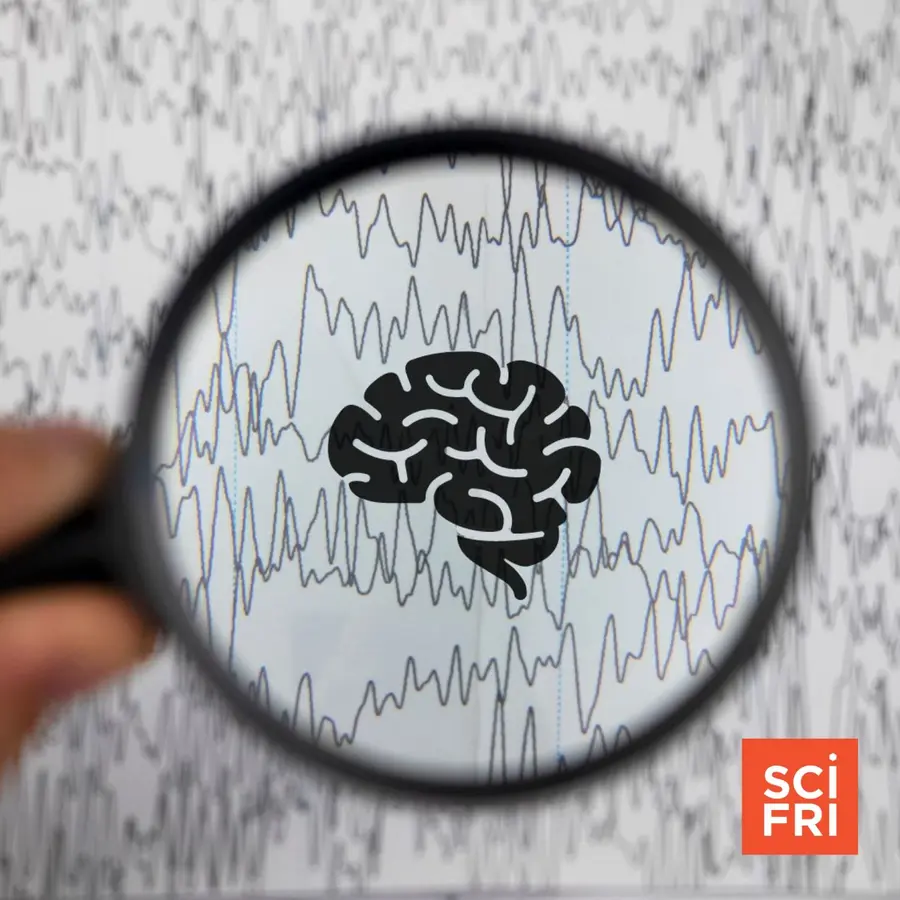
There are products on the market that monitor your brain waves through caps or headbands: Some aim to improve mental health, sleep, or focus, while others can plunge users into virtual reality for gaming.
What happens to the neural data that neurotechnology companies collect from these devices? Consumers may be accustomed to their personal data from apps and social media being sold to third parties. However, the potential sale of brain data to a third party raises additional privacy concerns.
There are products on the market that monitor your brain waves through caps or headbands: Some aim to improve mental health, sleep, or focus, while others can plunge users into virtual reality for gaming.
What happens to the neural data that neurotechnology companies collect from these devices? Consumers may be accustomed to their personal data from apps and social media being sold to third parties. However, the potential sale of brain data to a third party raises additional privacy concerns.
There are no federal laws governing the data collected by these wearable devices. But Colorado recently became the first state in the country to pass legislation protecting neural data in consumer products.
Guest host Arielle Duhaime-Ross talks with Jared Genser, general counsel and co-founder of The Neurorights Foundation about the current landscape of neuro privacy.
Transcripts for each segment will be available the week after the show airs on sciencefriday.com.
Subscribe to this podcast. Follow our show on Instagram, TikTok, Facebook, and Bluesky @scifri and sign up for our newsletters. Got a science question that’s keeping you up at night? Call us: 877-472-4374
Hosted by Simplecast, an AdsWizz company. See pcm.adswizz.com for information about our collection and use of personal data for advertising.
QUICK LINKS

This is an episodic podcast, so you can listen to it in any order, but episode one is a great place to start.
Listen to episode one hereThere are products on the market that monitor your brain waves through caps or headbands: Some aim to improve mental health, sleep, or focus, while others can plunge users into virtual reality for gaming.
What happens to the neural data that neurotechnology companies collect from these devices? Consumers may be accustomed to their personal data from apps and social media being sold to third parties. However, the potential sale of brain data to a third party raises additional privacy concerns.
There are no federal laws governing the data collected by these wearable devices. But Colorado recently became the first state in the country to pass legislation protecting neural data in consumer products.
Guest host Arielle Duhaime-Ross talks with Jared Genser, general counsel and co-founder of The Neurorights Foundation about the current landscape of neuro privacy.
Transcripts for each segment will be available the week after the show airs on sciencefriday.com.
Subscribe to this podcast. Follow our show on Instagram, TikTok, Facebook, and Bluesky @scifri and sign up for our newsletters. Got a science question that’s keeping you up at night? Call us: 877-472-4374
Hosted by Simplecast, an AdsWizz company. See pcm.adswizz.com for information about our collection and use of personal data for advertising.
Sound Carrot is your source for Family Podcast Discovery. Verified awesome, 0% boring.
Distraction free website, no flashing banners or adverts to steal your attention.
(Some shows do contain their own ads however).
At first I made this site for my kids, but like any dad I got a little over excited. I hope you find it as useful as they do.
Whether you want to listen to them together in the car, or alone in your room - the content is all safe for younger ears.