Install SoundCarrot
Add it to your home screen for quick access.
Listened
In progress
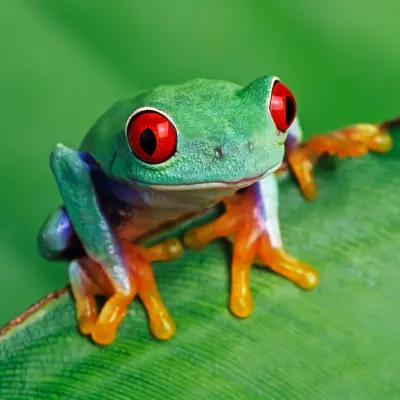
In this episode of The Children’s Hour, we explore the amazing world of frogs and toads with expert guest Josh Butler from the Albuquerque Biopark Zoo. Listeners will learn the differences between frogs and toads, what they eat, where they live, and why their survival is so important. With fun music and real-life science, this show dives deep into amphibian life. Plus, we discover simple ways we can all help protect frogs and toads in our own communities.
Find the full episode page at https://childrenshour.org/frogs-toads/
In this episode of The Children’s Hour, we explore the amazing world of frogs and toads with expert guest Josh Butler from the Albuquerque Biopark Zoo. Listeners will learn the differences between frogs and toads, what they eat, where they live, and why their survival is so important. With fun music and real-life science, this show dives deep into amphibian life. Plus, we discover simple ways we can all help protect frogs and toads in our own communities.
Find the full episode page at https://childrenshour.org/frogs-toads/
On this episode of The Children’s Hour, we met Josh Butler, the senior zookeeper for reptiles and amphibians at the Albuquerque Biopark Zoo. He taught us about these amazing creatures and even introduced us to one of the largest toads in North America: the Colorado River Toad, also called the Sonoran Desert Toad. This toad has a very poisonous skin, which protects it from predators like dogs. Its special skin glands help it stay moist and safe.
Toads are actually a kind of frog, even though they look different, they're in the same family. Toads usually have bumpy skin, short legs, and can live far from water. Frogs usually have smooth skin, long legs, and live in wetter places. Both frogs and toads eat bugs—a lot of bugs—and help keep insect populations under control.
We learned about the Woodhouse’s toad, a species that’s common in Albuquerque. These toads love to hang out near streetlights at night to snack on insects. We also heard how some frogs, like bullfrogs, make big, booming croaks. That’s actually how bullfrogs got their name—because of their loud voices, not because they like the color red!
Did you know frogs can breathe through their skin? That's why it's important they stay wet. Their thin skin can even absorb oxygen from water! Frogs and toads are not like lizards—they don’t have scales and need moisture to survive.
But not everything is happy in the frog world. According to the Extinction Diaries, about 40% of amphibians are at risk of going extinct in the next 20 years. That's nearly 2,000 kinds of frogs and toads! Pollution, pesticides, climate change, and a deadly skin disease are all hurting them. Some chemicals even mess up frog hormones, turning boy frogs into girls.
This episode was written and produced by Katie Stone, with production help from Sarah Gabrielli and Thaniel Lentz. Our interview with Josh Butler was recorded online at the Sunspot Solar Studio in Albuquerque, New Mexico.
The Children’s Hour radio show is distributed by Native Voice One, the Native American Radio Network.
© 2025 The Children’s Hour Inc. All Rights Reserved.
QUICK LINKS

This is an episodic podcast, so you can listen to it in any order, but episode one is a great place to start.
Listen to episode one hereIn this episode of The Children’s Hour, we explore the amazing world of frogs and toads with expert guest Josh Butler from the Albuquerque Biopark Zoo. Listeners will learn the differences between frogs and toads, what they eat, where they live, and why their survival is so important. With fun music and real-life science, this show dives deep into amphibian life. Plus, we discover simple ways we can all help protect frogs and toads in our own communities.
Find the full episode page at https://childrenshour.org/frogs-toads/
On this episode of The Children’s Hour, we met Josh Butler, the senior zookeeper for reptiles and amphibians at the Albuquerque Biopark Zoo. He taught us about these amazing creatures and even introduced us to one of the largest toads in North America: the Colorado River Toad, also called the Sonoran Desert Toad. This toad has a very poisonous skin, which protects it from predators like dogs. Its special skin glands help it stay moist and safe.
Toads are actually a kind of frog, even though they look different, they're in the same family. Toads usually have bumpy skin, short legs, and can live far from water. Frogs usually have smooth skin, long legs, and live in wetter places. Both frogs and toads eat bugs—a lot of bugs—and help keep insect populations under control.
We learned about the Woodhouse’s toad, a species that’s common in Albuquerque. These toads love to hang out near streetlights at night to snack on insects. We also heard how some frogs, like bullfrogs, make big, booming croaks. That’s actually how bullfrogs got their name—because of their loud voices, not because they like the color red!
Did you know frogs can breathe through their skin? That's why it's important they stay wet. Their thin skin can even absorb oxygen from water! Frogs and toads are not like lizards—they don’t have scales and need moisture to survive.
But not everything is happy in the frog world. According to the Extinction Diaries, about 40% of amphibians are at risk of going extinct in the next 20 years. That's nearly 2,000 kinds of frogs and toads! Pollution, pesticides, climate change, and a deadly skin disease are all hurting them. Some chemicals even mess up frog hormones, turning boy frogs into girls.
This episode was written and produced by Katie Stone, with production help from Sarah Gabrielli and Thaniel Lentz. Our interview with Josh Butler was recorded online at the Sunspot Solar Studio in Albuquerque, New Mexico.
The Children’s Hour radio show is distributed by Native Voice One, the Native American Radio Network.
© 2025 The Children’s Hour Inc. All Rights Reserved.
Sound Carrot is your source for Family Podcast Discovery. Verified awesome, 0% boring.
Distraction free website, no flashing banners or adverts to steal your attention.
(Some shows do contain their own ads however).
At first I made this site for my kids, but like any dad I got a little over excited. I hope you find it as useful as they do.
Whether you want to listen to them together in the car, or alone in your room - the content is all safe for younger ears.