Install SoundCarrot
Add it to your home screen for quick access.
Listened
In progress
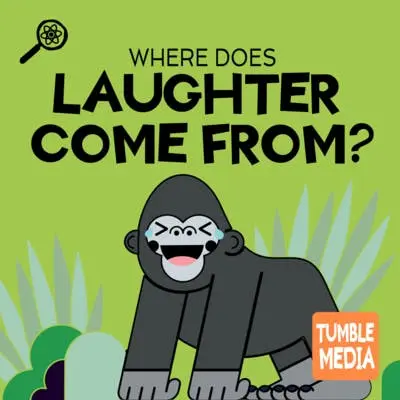
How do you find out why we laugh? With tickling, of course! Gorillas and other great apes appear to love being tickled, and sound like they’re laughing just like us. Animal biologist Marina Davila-Ross thought tickling might connect humans and great apes - and hold the clues to the origin of laughter. To find out, she assembled teams of ticklers in an experiment full of giggles. It’s the silliest science you’ve ever heard, but the discoveries will blow your mind.
Learn more about laughter in animals and humans in our interview with Marina Davila-Ross. Listen to the bonus interview episode available to Patrons who support Tumble at the $1/level or higher, at patreon.com/tumblepodcast.
How do you find out why we laugh? With tickling, of course! Gorillas and other great apes appear to love being tickled, and sound like they’re laughing just like us. Animal biologist Marina Davila-Ross thought tickling might connect humans and great apes - and hold the clues to the origin of laughter. To find out, she assembled teams of ticklers in an experiment full of giggles. It’s the silliest science you’ve ever heard, but the discoveries will blow your mind.
Learn more about laughter in animals and humans in our interview with Marina Davila-Ross. Listen to the bonus interview episode available to Patrons who support Tumble at the $1/level or higher, at patreon.com/tumblepodcast.
See videos of gorillas being tickled, and more free educational resources on our blog at sciencepodcast.com.
QUICK LINKS
This is an episodic podcast, so you can listen to it in any order, but episode one is a great place to start.
Listen to episode one hereHow do you find out why we laugh? With tickling, of course! Gorillas and other great apes appear to love being tickled, and sound like they’re laughing just like us. Animal biologist Marina Davila-Ross thought tickling might connect humans and great apes - and hold the clues to the origin of laughter. To find out, she assembled teams of ticklers in an experiment full of giggles. It’s the silliest science you’ve ever heard, but the discoveries will blow your mind.
Learn more about laughter in animals and humans in our interview with Marina Davila-Ross. Listen to the bonus interview episode available to Patrons who support Tumble at the $1/level or higher, at patreon.com/tumblepodcast.
See videos of gorillas being tickled, and more free educational resources on our blog at sciencepodcast.com.
Sound Carrot is your source for Family Podcast Discovery. Verified awesome, 0% boring.
Distraction free website, no flashing banners or adverts to steal your attention.
(Some shows do contain their own ads however).
At first I made this site for my kids, but like any dad I got a little over excited. I hope you find it as useful as they do.
Whether you want to listen to them together in the car, or alone in your room - the content is all safe for younger ears.