Install SoundCarrot
Add it to your home screen for quick access.
Join Dr. Universe and her friends at Washington State University as they investigate science questions from kids around the world. Know a kid with a curious science question? Help them submit it at askDrUniverse.wsu.edu for a chance to be featured on a future episode.
Parent info: Ask Dr. Universe is recommended for ages 6-10. It's an Episodic show that can be listened to in any order. Made in the USA, it's about Science and Facts for kids. Launched in 2020, it has 6 seasons.
We can't find that particular episode - it might have been renamed, or removed by the podcast maker, but you can still browse all their other episodes here.
Cosmo and I investigated belly buttons—thanks to WSU nursing professor Cindy Brigham-Althoff.
Join me and some new friends as we shrink down and travel through a cell, checking out organelles along the way. It's a cell biology adventure!
WSU apple breeder, Kate Evans, told me all about out how apples work and what it's like to be a scientist who makes new apples—like the Cosmic Crisp®.
Cosmo and I learned all about cat anatomy and how feline friends like us climb so well. Thanks to WSU vet med's Steve Lampa for the expert info.
Today Cosmo and I learned all about fingerprints—and how they give primates dexterity and grip.
Cosmo and I found out why our tallest animal friends have long, dark tongues—and what melanin does for humans, too. Thanks to Cynthia Cooper, who studies animal pigments at WSU Vancouver.
Cosmo and I learn about all kinds of life cycles: holometabolous (big change), hemimetabolous (small change), and ametabolous (no change).
Today I'm talking with Julie Ménard, a planetary scientist at Washington State University. She told me about the terrestrial planets in our solar system, how we're about to visit Mars—and could even set up a station there someday, and the possibility of life i…
Cosmo and I learn about shots—and new technology our friend WSU's Roland Chen is working on to make painless vaccines.
Today Cosmo and I learned all about dog paws from our friend, WSU veterinarian Dr. Natasha Hottmann.
Cosmo and I learn how cell phones send texts, images and calls from phone to phone—thanks to our friend, electrical engineer Ben Belzer.
Love veggies? Me, too. And so does my friend Tim Waters, regional vegetable specialist at WSU Extension.
Today Cosmo and I learn about turtles and how they grow their amazing shells —all thanks to my friend, Ryan Wagner, wildlife biologist at Washington State University (and former turtle pedicurist).
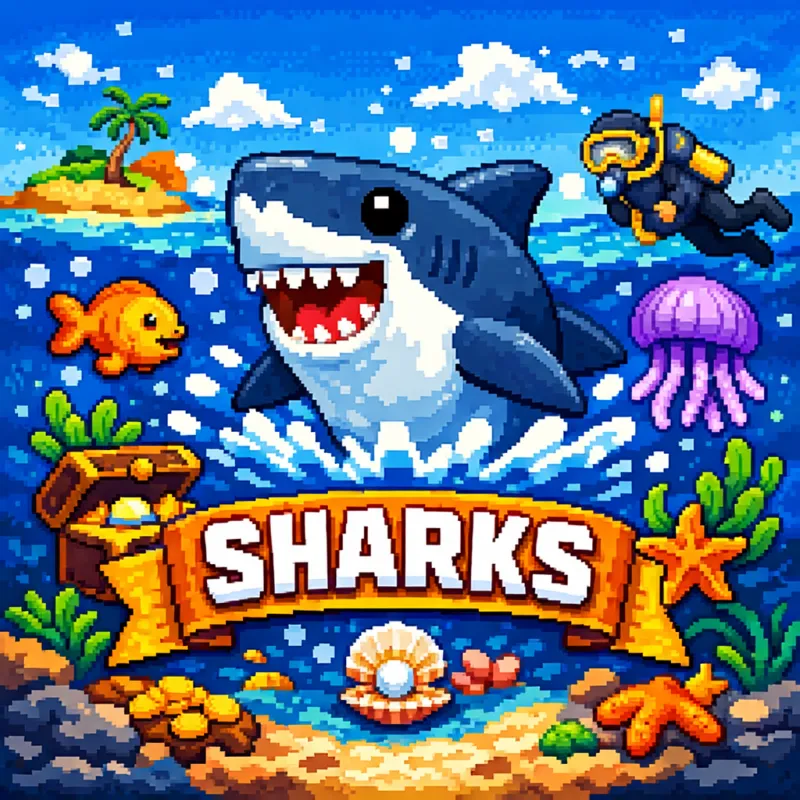
Dooooo-doo, Dooooo-doo. 🦈 Today Cosmo and I learn about sharks and their rad digestive systems—all thanks to my friend, Dr. Nora Hickey, fish veterinarian at Washington State University.
In this episode, I learn all about wildlife biology from my friend, Ryan Wagner. He told me about clipping turtle toenails and bathing froglets—all for science. And he recounted his recent adventure backpacking frogs into a national forest to return them to th…
Cosmo and I learn about microbes, thanks to Eric Lofrgren, an infectious disease expert at WSU.
In this episode, I learn all about what it means to be a pharmacist with my friend, Damianne Brand-Eubanks. She's a pharmacist and professor at Washington State University.
What happens if you need your third molars removed? Cosmo and I find out, after talking to our friend David Carsten. He's a dentist anesthesiologist who studied at Washington State University and now teaches at Oregon Health and Science University.
Can Cosmo and I help a cool kid like you face their fear of bugs? Join us—and our friend Paul Strand, psychologist at Washington State University—as we dig into why things freak us out and how to beat-le those fears.
Today I'm talking with Von Walden, an atmospheric scientist at Washington State University.
What up with the small intestine and the large intestine? Join Cosmo and me—and our friend Franck Carbonero, microbiologist at Washington State University—to break down how we break down food.
Purr-haps you'd like a new way to get your claws on science questions sent in by kids like you. That's litter-ally my favorite thing.
Purr-haps you'd like a new way to get your claws on science questions sent in by kids like you. That's litter-ally my favorite thing.
Welcome back, young scientists. I’m Dr. Universe. If you’re anything like me, you’ve got lots of big questions about our world. Today I'm talking to WSU biological anthropologist Thomas Siek.
Purr-haps you'd like a new way to get your claws on science questions sent in by kids like you. That's litter-ally my favorite thing.
Welcome back, young scientists. I’m Dr. Universe. If you’re anything like me, you’ve got lots of big questions about our world. Today I'm talking to WSU environmental archeologist John Blong.
Welcome back, young scientists. I’m Dr. Universe. If you’re anything like me, you’ve got lots of big questions about our world.
Welcome back, young scientists. I’m Dr. Universe. If you’re anything like me, you’ve got lots of big questions about our world.
Welcome back, young scientists. I’m Dr. Universe. If you’re anything like me, you’ve got lots of big questions about our world. Today I'm talking to WSU astronomer Michael Allen.
Welcome back, young scientists. I’m Dr. Universe. If you’re anything like me, you’ve got lots of big questions about our world. Today I'm talking to WSU veterinarian Jessica Bunch.
Welcome back, young scientists. I’m Dr. Universe. If you’re anything like me, you’ve got lots of big questions about our world. Today we're talking to nurse practitioner Bevan Briggs.
Welcome back, young scientists. I’m Dr. Universe. If you’re anything like me, you’ve got lots of big questions about our world.
Welcome back, young scientists. I’m Dr. Universe. If you’re anything like me, you’ve got lots of big questions about our world.
Welcome back, young scientists. I’m Dr. Universe. If you’re anything like me, you’ve got lots of big questions about our world.
Welcome back, young scientists. I’m Dr. Universe. If you’re anything like me, you’ve got lots of big questions about our world.
Welcome back, young scientists. I’m Dr. Universe. If you’re anything like me, you’ve got lots of big questions about our world.
Welcome back, young scientists. I’m Dr. Universe. If you’re anything like me, you’ve got lots of big questions about our world.
Hey, friends. I’m Dr. Universe. If you’re anything like me, you’ve got lots of big questions about our world.
Welcome back, friends. I’m Dr. Universe. If you’re anything like me, you’ve got lots of big questions about our world.
Welcome back, young scientists. I’m Dr. Universe. If you’re anything like me, you’ve got lots of big questions about our world.
Welcome back, young scientists. I’m Dr. Universe. If you’re anything like me, you’ve got lots of big questions about our world.
Welcome back, young scientists. I’m Dr. Universe. If you’re anything like me, you’ve got lots of big questions about our world.
Welcome back, young scientists. I’m Dr. Universe. If you’re anything like me, you’ve got lots of big questions about our world.
Welcome back, young scientists. I’m Dr. Universe. If you’re anything like me, you’ve got lots of big questions about our world.
What was early Earth like? How did life start on Earth? And what’s up with plate tectonics?
Welcome back, young scientists. I’m Dr. Universe. If you’re anything like me, you’ve got lots of big questions about our world.
Welcome back, young scientists. I’m Dr. Universe. If you’re anything like me, you’ve got lots of big questions about our world.
I'm Dr. Universe, and if you're anything like me, you've got big questions about our world. I get lots of questions from kids wondering about aliens.
Dr. Universe and a group of junior scientists from Palouse Prairie Charter School learn about underwater volcanoes and crystals. Students from the fourth-grade class in Moscow, Idaho help Dr. Universe answer earth science questions.
Dr. Universe is back with a group of junior scientists from Palouse Prairie Charter School to learn about space. Students from the fourth-grade class in Moscow, Idaho help Dr. Universe answer how we know there are planets outside our solar system and what the …
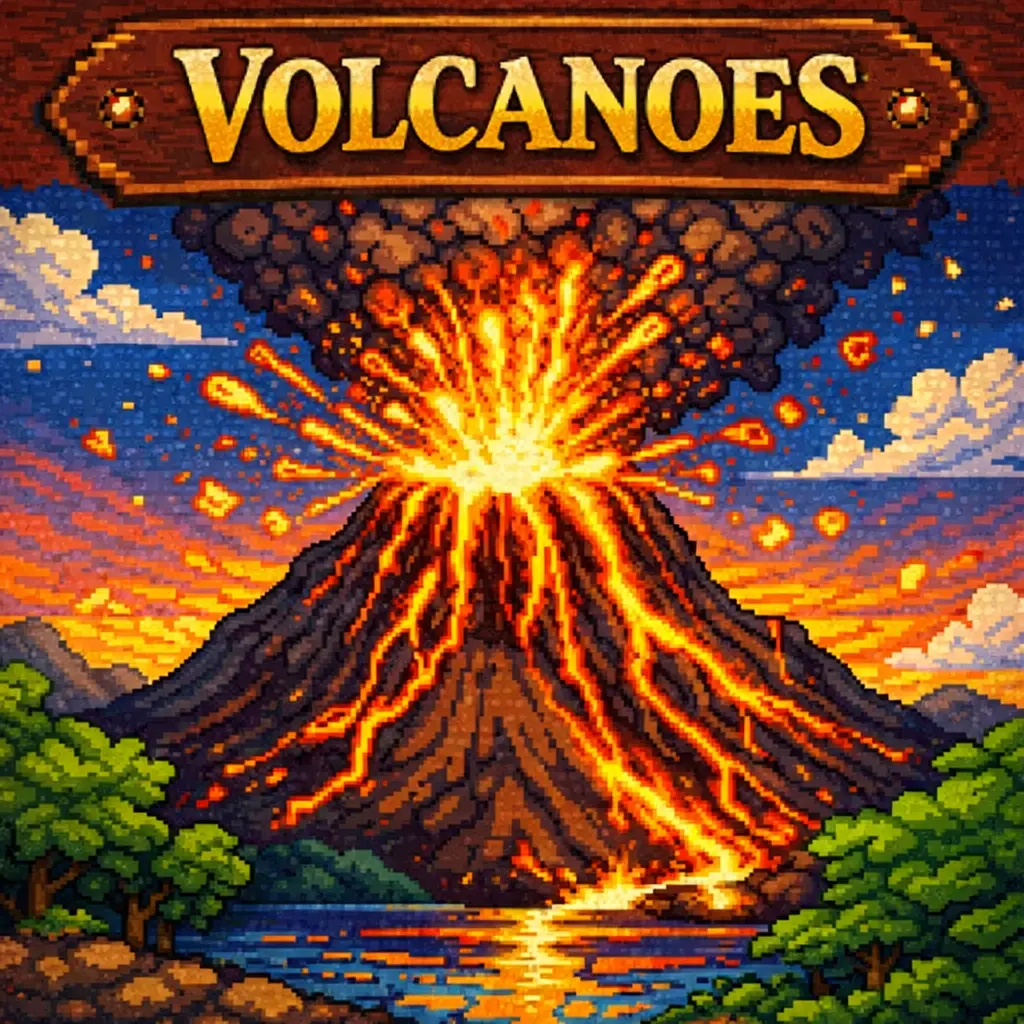
Dr. Universe joins a group of junior scientists from Palouse Prairie Charter School to learn about volcanoes. Students from the fourth-grade class in Moscow, Idaho, help Dr. Universe answer how volcanoes work, how they form, what happens when they erupt, wheth…
Welcome back, young scientists. I’m Dr. Universe and if you’re anything like me you’ve got lots of big questions about our world. This special edition episode features an interview with a scientist from our video series, Ask Dr. Universe, Meet the Scientists. …
Welcome back, young scientists. On this episode, we meet Dr. Kim Chiok, a veterinarian at Washington State University who enjoys writing, doing experiments, and who is curious about viruses, especially those that affect the lungs and other parts of the respira…
On this podcast, we'll talk to some curious people, hear their stories, and investigate some fun science questions along the way. Today's guest is someone who is really curious about sleep. Let's give a warm welcome to Ashley Ingiosi. She'll help us explore a …
Hello young scientists. I’m Dr. Universe and if you are anything like me, you’ve got lots of big questions about our world. Today’s special guest is someone who is really curious about plants and why they get sick—yes, you heard that right, plants can get sick…
On this episode, we meet with Julie Menard, a planetary scientist and geoscience education professional from Washington State University. Plus, we investigate a big kid question about how mountains form.
Welcome back, young scientists. I’m Dr. Universe and if you’re anything like me you’ve got lots of big questions about our world. On this episode, we’ll investigate great questions from young scientists like, Why does ice cream melt? Why are some berries poiso…
Welcome back, young scientists. Have you ever wondered why most people are right-handed? How we learned to weigh a whole planet? How worms help the soil? Join Dr. Universe and Washington State University researchers as we investigate these great kid questions…
Welcome back, young scientists. I’m Dr. Universe and if you’re anything like me you’ve got lots of big questions about our world. On this episode, we investigate questions about toothpaste, sunburns, and Saturn. A big thanks to our kid narrator from Regional T…
Welcome back, young scientists. I’m Dr. Universe and if you’re anything like me you’ve got lots of big questions about our world. On this episode, we are talking birds, touch screen technology, and goosebumps.
On this episode, we'll explore questions about flying squirrels, our curious pets, frost, and stinky cheese. A big thanks to our kid narrator from Regional Theater of the Palouse. Thanks to everyone who helped with the science on this episode: Todd Wilson, Dr.…
Welcome back, young scientists. On this episode, our questions take us to outer space the bottom of the pond and into the fascinating world of light and shadows.
Hello young scientists. I’m Dr. Universe and if you are anything like me, you’ve got lots of big questions about our world. On this episode, we will investigate questions about why mushrooms grow in rings, how to make apple cider, the art of stained glass, why…
Have you ever wondered why apes walk on their knuckles? Why we make tears when we yawn? Why and how exercise helps our bodies? What's the best exercise? (5:17) How the COVID-19 pandemic started?
Have you ever wondered why ants build hills? Why face masks are effective? Why we sometimes get that pins and needles feeling when we sit too long? How gummies are made? Why spiders hang upside down in their webs?
Hello, young scientists. I’m Dr. Universe and if you’re anything like me, you’ve got lots of big questions about our world.


Content, Artwork and advertising within this podcast is not owned or affiliated with Sound Carrot.


No similar shows for this age just now.
Sound Carrot is your source for Family Podcast Discovery. Verified awesome, 0% boring.
Distraction free website, no flashing banners or adverts to steal your attention.
(Some shows do contain their own ads however).
At first I made this site for my kids, but like any dad I got a little over excited. I hope you find it as useful as they do.
Whether you want to listen to them together in the car, or alone in your room - the content is all safe for younger ears.