Install SoundCarrot
Add it to your home screen for quick access.
Listened
Feeling overwhelmed by climate change and disconnected from nature? What if the solutions we need have been here all along, in the wisdom our ancestors knew, in the plants growing in our backyards?
11plusQUICK LINKS
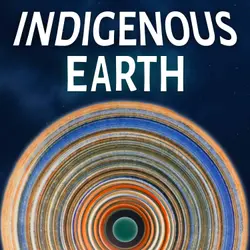
This is an episodic podcast, so you can listen to it in any order, but episode one is a great place to start.
Listen to episode one hereFeeling overwhelmed by climate change and disconnected from nature? What if the solutions we need have been here all along, in the wisdom our ancestors knew, in the plants growing in our backyards?
Laylalanai Gocobachi, a Pascua Yaqui woman and Unity Earth Ambassador, learned this from her grandfather who sent her into the Arizona desert with grocery bags to "shop" for dinner. He taught her the desert is like our pantry, and that Native people were the first scientists.
Today, Laylalanai shows us how to bridge traditional wisdom and modern science. You'll learn how she combines climate data with elder observations about disappearing plants, and why the Earth is constantly speaking to us, through snakes climbing trees before floods, through plants receding, we just need to remember how to listen.
This is for anyone who's felt like one person can't make a difference, anyone searching for hope in these challenging times.
What You'll Discover:
How to start listening to what the Earth is trying to tell you (practical signs to observe)
Why "water doesn't separate us, it connects us"—and what that means for your work
The exact process for braiding Indigenous knowledge with Western science
How to overcome imposter syndrome when you're the only one in the room
Why showing up matters even when you doubt yourself
Simple ways to reconnect with nature and find knowledge keepers in your community
Resources:
Follow Laylalanai Gocobachi on LinkedIn and Instagram
Watch for her documentary on Planet Forward about traditional crops across the border
📚 Support This Podcast & Indigenous Youth Workshops: When you purchase books through our Indigenous Earth Bookshop, you directly support independent Indigenous booksellers AND fund our hands-on workshops for Native youth worldwide. Every book purchase helps preserve traditional ecological knowledge for the next generation. 🌱
Connect with Indigenous Earth:
Workshops: https://www.indigenousearth.org/p/indigenous-earth-workshops/
Newsletter: https://www.indigenousearth.org/newsletter/
Music Credit: "Pascola Dance - Mamna Cialim (Green Spinach)" performed by Musicians and Singers from Old Pascua Village, Tucson and Rio Yaqui, Sonora from the album Yaqui Ritual and Festive Music (Canyon Records, 2002). Published by DMG Arizona Music/Public Domain.
Topics: Traditional ecological knowledge, intergenerational learning, Yaqui culture, climate assessment, Indigenous youth leadership, desert wisdom, water sovereignty, environmental science, knowledge braiding, listening to Earth
The content, artwork and advertising within this podcast is not owned or affiliated with Sound Carrot and remain the property of their respective owners.

Sound Carrot is your source for Family Podcast Discovery. Verified awesome, 0% boring.
Distraction free website, no flashing banners or adverts to steal your attention.
(Some shows do contain their own ads however).
At first I made this site for my kids, but like any dad I got a little over excited. I hope you find it as useful as they do.
Whether you want to listen to them together in the car, or alone in your room - the content is all safe for younger ears.