Install SoundCarrot
Add it to your home screen for quick access.
Listened
In progress
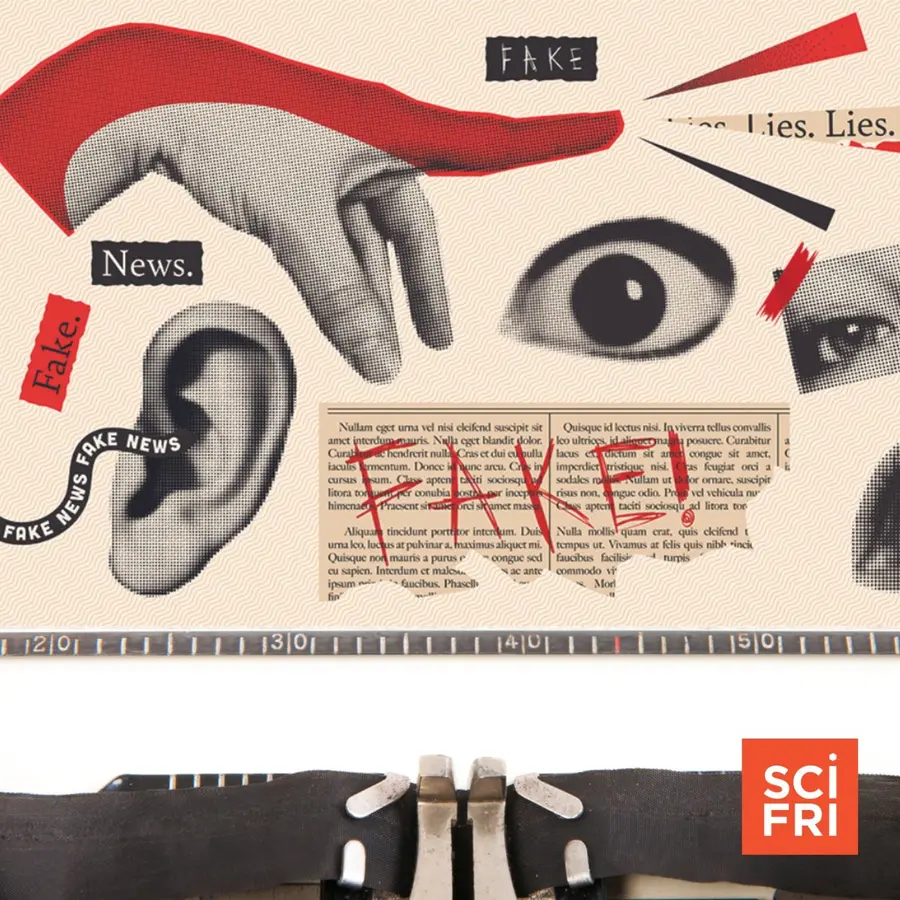
When you think about connections between science and war, the obvious links are in technology—advanced radar, spy satellites, more powerful explosives—and in medical innovations that seek to heal the wounds caused by conflict. But in a new book, Stories are Weapons: Psychological Warfare and the American Mind, author Annalee Newitz says that stories and narrative can be weapons too, used in battle on a psychological battlefield.
Ira talks with Newitz about the history of psychological warfare, from Sun Tzu to Benjamin Franklin, and its modern American incarnation under the guidance of Paul Linebarger, who was also a science fiction author known by the pen name Cordwainer Smith. They discuss the characteristics of a psyop, how techniques of psychological warfare have been co-opted into modern politics, and whether there’s a route toward “psychological disarmament.”
When you think about connections between science and war, the obvious links are in technology—advanced radar, spy satellites, more powerful explosives—and in medical innovations that seek to heal the wounds caused by conflict. But in a new book, Stories are Weapons: Psychological Warfare and the American Mind, author Annalee Newitz says that stories and narrative can be weapons too, used in battle on a psychological battlefield.
Ira talks with Newitz about the history of psychological warfare, from Sun Tzu to Benjamin Franklin, and its modern American incarnation under the guidance of Paul Linebarger, who was also a science fiction author known by the pen name Cordwainer Smith. They discuss the characteristics of a psyop, how techniques of psychological warfare have been co-opted into modern politics, and whether there’s a route toward “psychological disarmament.”
Read an excerpt from Stories are Weapons: Psychological Warfare and the American Mind.
Transcript for this segment will be available after the show airs on sciencefriday.com.
Subscribe to this podcast. Follow our show on Instagram, TikTok, Facebook, and Bluesky @scifri and sign up for our newsletters. Got a science question that’s keeping you up at night? Call us: 877-472-4374
Hosted by Simplecast, an AdsWizz company. See pcm.adswizz.com for information about our collection and use of personal data for advertising.
QUICK LINKS

This is an episodic podcast, so you can listen to it in any order, but episode one is a great place to start.
Listen to episode one hereWhen you think about connections between science and war, the obvious links are in technology—advanced radar, spy satellites, more powerful explosives—and in medical innovations that seek to heal the wounds caused by conflict. But in a new book, Stories are Weapons: Psychological Warfare and the American Mind, author Annalee Newitz says that stories and narrative can be weapons too, used in battle on a psychological battlefield.
Ira talks with Newitz about the history of psychological warfare, from Sun Tzu to Benjamin Franklin, and its modern American incarnation under the guidance of Paul Linebarger, who was also a science fiction author known by the pen name Cordwainer Smith. They discuss the characteristics of a psyop, how techniques of psychological warfare have been co-opted into modern politics, and whether there’s a route toward “psychological disarmament.”
Read an excerpt from Stories are Weapons: Psychological Warfare and the American Mind.
Transcript for this segment will be available after the show airs on sciencefriday.com.
Subscribe to this podcast. Follow our show on Instagram, TikTok, Facebook, and Bluesky @scifri and sign up for our newsletters. Got a science question that’s keeping you up at night? Call us: 877-472-4374
Hosted by Simplecast, an AdsWizz company. See pcm.adswizz.com for information about our collection and use of personal data for advertising.
Sound Carrot is your source for Family Podcast Discovery. Verified awesome, 0% boring.
Distraction free website, no flashing banners or adverts to steal your attention.
(Some shows do contain their own ads however).
At first I made this site for my kids, but like any dad I got a little over excited. I hope you find it as useful as they do.
Whether you want to listen to them together in the car, or alone in your room - the content is all safe for younger ears.