Install SoundCarrot
Add it to your home screen for quick access.
Listened
In progress
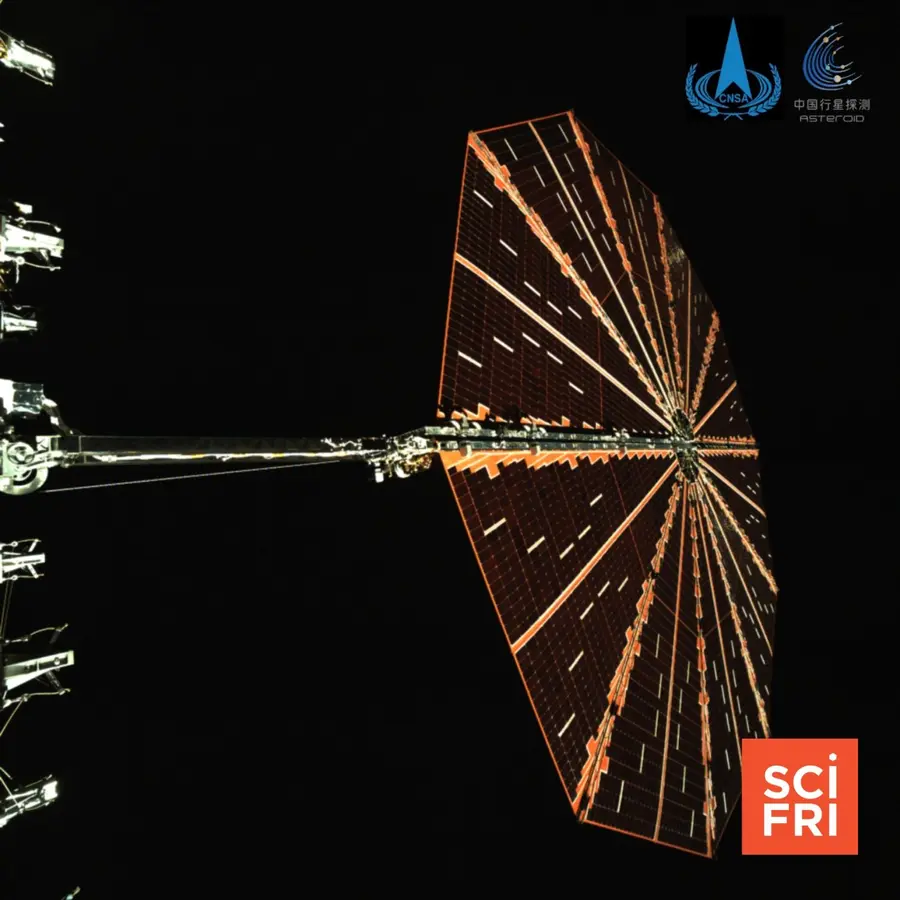
This week, China’s Tianwen-2 spacecraft sent back its first image from space. It’s headed to a rendezvous with the asteroid Kamoʻoalewa, one of Earth’s “quasi-moons,” where it will collect samples in 2026. The mission comes after several successful lunar missions, including a lunar rover and a sample return mission from the far side of the moon. Host Ira Flatow talks with reporter Ling Xin from the South China Morning Post about the goals of China’s space program, and what might be ahead.
Plus, astronomer Dean Regas describes his new “tactile astronomy” book, which seeks to bring stories of the constellations to young blind and low-vision readers.
This week, China’s Tianwen-2 spacecraft sent back its first image from space. It’s headed to a rendezvous with the asteroid Kamoʻoalewa, one of Earth’s “quasi-moons,” where it will collect samples in 2026. The mission comes after several successful lunar missions, including a lunar rover and a sample return mission from the far side of the moon. Host Ira Flatow talks with reporter Ling Xin from the South China Morning Post about the goals of China’s space program, and what might be ahead.
Plus, astronomer Dean Regas describes his new “tactile astronomy” book, which seeks to bring stories of the constellations to young blind and low-vision readers.
Guests:
Ling Xin is a science reporter at the South China Morning Post based in Ohio.
Dean Regas is an astronomer, host of the “Looking Up” podcast, and author of the new book All About Orion.
Transcript is available on sciencefriday.com.
Subscribe to this podcast. Follow our show on Instagram, TikTok, Facebook, and Bluesky @scifri and sign up for our newsletters. Got a science question that’s keeping you up at night? Call us: 877-472-4374
Hosted by Simplecast, an AdsWizz company. See pcm.adswizz.com for information about our collection and use of personal data for advertising.
QUICK LINKS

This is an episodic podcast, so you can listen to it in any order, but episode one is a great place to start.
Listen to episode one hereThis week, China’s Tianwen-2 spacecraft sent back its first image from space. It’s headed to a rendezvous with the asteroid Kamoʻoalewa, one of Earth’s “quasi-moons,” where it will collect samples in 2026. The mission comes after several successful lunar missions, including a lunar rover and a sample return mission from the far side of the moon. Host Ira Flatow talks with reporter Ling Xin from the South China Morning Post about the goals of China’s space program, and what might be ahead.
Plus, astronomer Dean Regas describes his new “tactile astronomy” book, which seeks to bring stories of the constellations to young blind and low-vision readers.
Guests:
Ling Xin is a science reporter at the South China Morning Post based in Ohio.
Dean Regas is an astronomer, host of the “Looking Up” podcast, and author of the new book All About Orion.
Transcript is available on sciencefriday.com.
Subscribe to this podcast. Follow our show on Instagram, TikTok, Facebook, and Bluesky @scifri and sign up for our newsletters. Got a science question that’s keeping you up at night? Call us: 877-472-4374
Hosted by Simplecast, an AdsWizz company. See pcm.adswizz.com for information about our collection and use of personal data for advertising.
Sound Carrot is your source for Family Podcast Discovery. Verified awesome, 0% boring.
Distraction free website, no flashing banners or adverts to steal your attention.
(Some shows do contain their own ads however).
At first I made this site for my kids, but like any dad I got a little over excited. I hope you find it as useful as they do.
Whether you want to listen to them together in the car, or alone in your room - the content is all safe for younger ears.