Install SoundCarrot
Add it to your home screen for quick access.
Listened
In progress
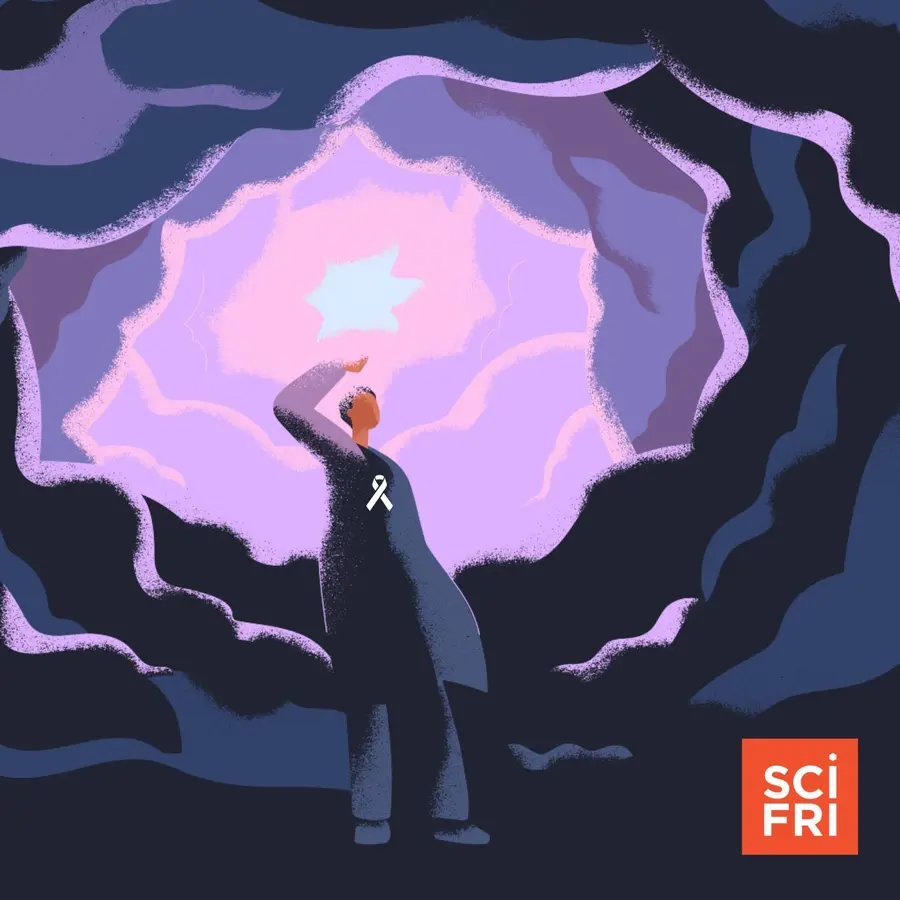
“Cancer” is a dreaded word in the doctor’s office. But about 40% of us will be diagnosed with cancer at some point during our lives, the most common being breast, prostate, and lung cancer, according to the National Institutes of Health.
But in the last few decades, major progress has been made in the world of cancer treatment and prevention. Cancer death rates have decreased by about 30% over the last quarter century, with some of the largest decreases seen in lung, melanoma, and myeloma cancers. The Biden administration’s Cancer Moonshot program aims to reduce the number of cancer deaths by at least 50% by 2050.
“Cancer” is a dreaded word in the doctor’s office. But about 40% of us will be diagnosed with cancer at some point during our lives, the most common being breast, prostate, and lung cancer, according to the National Institutes of Health.
But in the last few decades, major progress has been made in the world of cancer treatment and prevention. Cancer death rates have decreased by about 30% over the last quarter century, with some of the largest decreases seen in lung, melanoma, and myeloma cancers. The Biden administration’s Cancer Moonshot program aims to reduce the number of cancer deaths by at least 50% by 2050.
Early detection methods like mammograms and colonoscopies have improved outcomes for many types of cancer, and new treatment options, like cancer vaccines, immunotherapy, and targeted genetic therapies, have shown promising early results. And the breakthroughs made from the development of the mRNA covid vaccines are bringing even more promise for hard-to-treat cancers.
Dr. Siddhartha Mukherjee, assistant professor of medicine at Columbia University and author of the Pulitzer Prize-winning book The Emperor of all Maladies: The Biography of Cancer, joins guest host John Dankosky to give a broad update on the progress made in cancer treatment and prevention. They also discuss the role AI can play in new breakthroughs, and why some cancers are still particularly difficult to treat.
Transcripts for each segment will be available after the show airs on sciencefriday.com.
Subscribe to this podcast. Follow our show on Instagram, TikTok, Facebook, and Bluesky @scifri and sign up for our newsletters. Got a science question that’s keeping you up at night? Call us: 877-472-4374
Hosted by Simplecast, an AdsWizz company. See pcm.adswizz.com for information about our collection and use of personal data for advertising.
QUICK LINKS
This is an episodic podcast, so you can listen to it in any order, but episode one is a great place to start.
Listen to episode one here“Cancer” is a dreaded word in the doctor’s office. But about 40% of us will be diagnosed with cancer at some point during our lives, the most common being breast, prostate, and lung cancer, according to the National Institutes of Health.
But in the last few decades, major progress has been made in the world of cancer treatment and prevention. Cancer death rates have decreased by about 30% over the last quarter century, with some of the largest decreases seen in lung, melanoma, and myeloma cancers. The Biden administration’s Cancer Moonshot program aims to reduce the number of cancer deaths by at least 50% by 2050.
Early detection methods like mammograms and colonoscopies have improved outcomes for many types of cancer, and new treatment options, like cancer vaccines, immunotherapy, and targeted genetic therapies, have shown promising early results. And the breakthroughs made from the development of the mRNA covid vaccines are bringing even more promise for hard-to-treat cancers.
Dr. Siddhartha Mukherjee, assistant professor of medicine at Columbia University and author of the Pulitzer Prize-winning book The Emperor of all Maladies: The Biography of Cancer, joins guest host John Dankosky to give a broad update on the progress made in cancer treatment and prevention. They also discuss the role AI can play in new breakthroughs, and why some cancers are still particularly difficult to treat.
Transcripts for each segment will be available after the show airs on sciencefriday.com.
Subscribe to this podcast. Follow our show on Instagram, TikTok, Facebook, and Bluesky @scifri and sign up for our newsletters. Got a science question that’s keeping you up at night? Call us: 877-472-4374
Hosted by Simplecast, an AdsWizz company. See pcm.adswizz.com for information about our collection and use of personal data for advertising.
Sound Carrot is your source for Family Podcast Discovery. Verified awesome, 0% boring.
Distraction free website, no flashing banners or adverts to steal your attention.
(Some shows do contain their own ads however).
At first I made this site for my kids, but like any dad I got a little over excited. I hope you find it as useful as they do.
Whether you want to listen to them together in the car, or alone in your room - the content is all safe for younger ears.