Install SoundCarrot
Add it to your home screen for quick access.
Listened
In progress
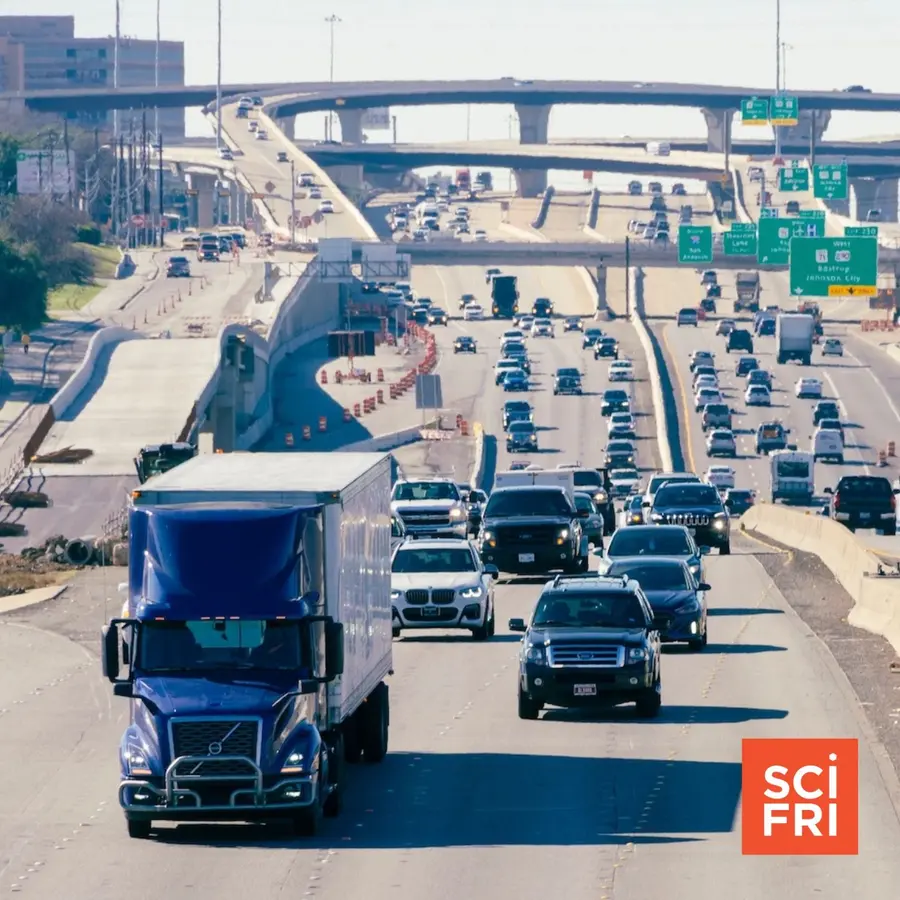
Have you ever been stuck in traffic and thought, if only this highway was a little wider so it could fit more cars? You aren’t alone.
Many states have been expanding their highways. New York Governor Kathy Hochul recently announced a $1.3 billion project to expand one of the state’s highways for an estimated maximum six-minute travel savings. Other highway-widening projects are underway in Texas, California, and Maryland. In 2022, federal, state, and local governments in the US spent $127 billion on highway construction.
Have you ever been stuck in traffic and thought, if only this highway was a little wider so it could fit more cars? You aren’t alone.
Many states have been expanding their highways. New York Governor Kathy Hochul recently announced a $1.3 billion project to expand one of the state’s highways for an estimated maximum six-minute travel savings. Other highway-widening projects are underway in Texas, California, and Maryland. In 2022, federal, state, and local governments in the US spent $127 billion on highway construction. Some departments of transportation say expanding highways is necessary to reduce congestion, especially in areas with growing populations, and to encourage economic development.
But decades of research shows the opposite effects when highways are expanded—that travel times actually increase when more lanes are added. So how does this happen, and why do we keep expanding highways even though the research says it doesn’t work?
Megan Kimble, journalist and author of City Limits: Infrastructure, Inequality, And The Future Of America’s Highways, joins Ira to break down the research behind highway widening and discuss how increasing funding for public transit could help make traffic better, and why some cities are deciding to remove their highways entirely.
Read an excerpt from City Limits: Infrastructure, Inequality, And The Future Of America’s Highways.
Transcript for this segment will be available after the show airs on sciencefriday.com.
Subscribe to this podcast. Follow our show on Instagram, TikTok, Facebook, and Bluesky @scifri and sign up for our newsletters. Got a science question that’s keeping you up at night? Call us: 877-472-4374
Hosted by Simplecast, an AdsWizz company. See pcm.adswizz.com for information about our collection and use of personal data for advertising.
QUICK LINKS

This is an episodic podcast, so you can listen to it in any order, but episode one is a great place to start.
Listen to episode one hereHave you ever been stuck in traffic and thought, if only this highway was a little wider so it could fit more cars? You aren’t alone.
Many states have been expanding their highways. New York Governor Kathy Hochul recently announced a $1.3 billion project to expand one of the state’s highways for an estimated maximum six-minute travel savings. Other highway-widening projects are underway in Texas, California, and Maryland. In 2022, federal, state, and local governments in the US spent $127 billion on highway construction. Some departments of transportation say expanding highways is necessary to reduce congestion, especially in areas with growing populations, and to encourage economic development.
But decades of research shows the opposite effects when highways are expanded—that travel times actually increase when more lanes are added. So how does this happen, and why do we keep expanding highways even though the research says it doesn’t work?
Megan Kimble, journalist and author of City Limits: Infrastructure, Inequality, And The Future Of America’s Highways, joins Ira to break down the research behind highway widening and discuss how increasing funding for public transit could help make traffic better, and why some cities are deciding to remove their highways entirely.
Read an excerpt from City Limits: Infrastructure, Inequality, And The Future Of America’s Highways.
Transcript for this segment will be available after the show airs on sciencefriday.com.
Subscribe to this podcast. Follow our show on Instagram, TikTok, Facebook, and Bluesky @scifri and sign up for our newsletters. Got a science question that’s keeping you up at night? Call us: 877-472-4374
Hosted by Simplecast, an AdsWizz company. See pcm.adswizz.com for information about our collection and use of personal data for advertising.
Sound Carrot is your source for Family Podcast Discovery. Verified awesome, 0% boring.
Distraction free website, no flashing banners or adverts to steal your attention.
(Some shows do contain their own ads however).
At first I made this site for my kids, but like any dad I got a little over excited. I hope you find it as useful as they do.
Whether you want to listen to them together in the car, or alone in your room - the content is all safe for younger ears.