Install SoundCarrot
Add it to your home screen for quick access.
Listened
In progress
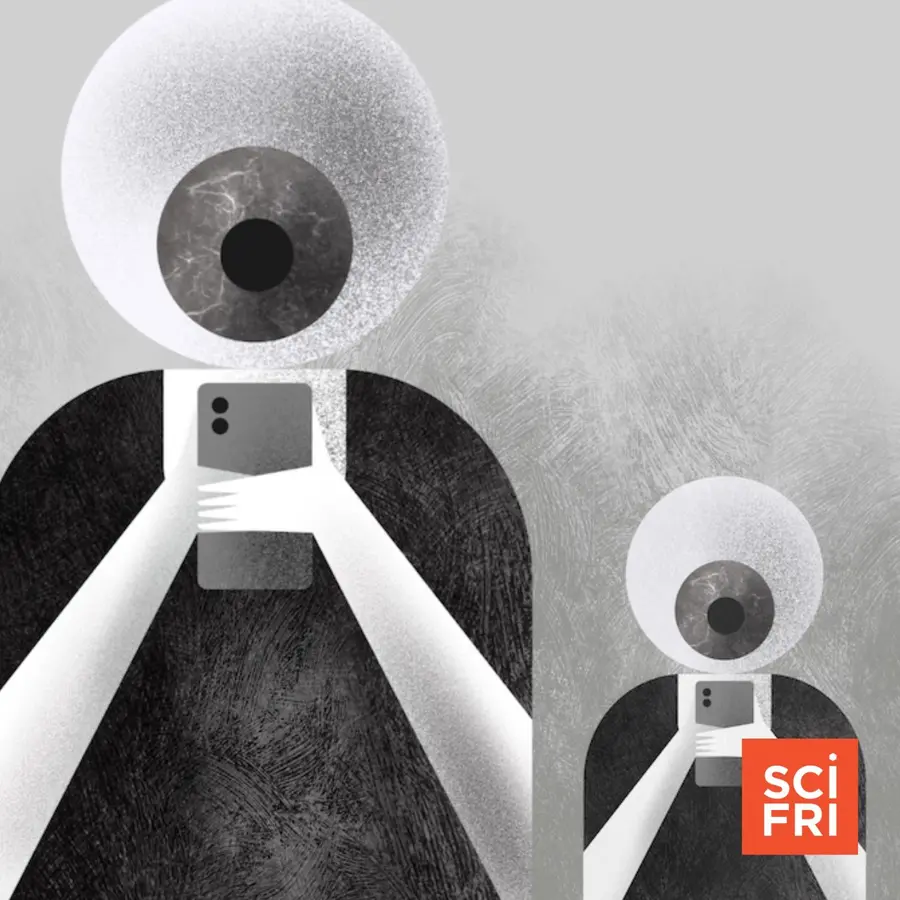
As ICE cracks down in Minneapolis and across the country, reporters and privacy advocates have drawn attention to how the agency is using technology: scanning people’s faces without consent, using private health records to make arrests, tracking people’s location in real time with phone data.
So how does all this work? How does the United States’ data ecosystem make it possible for not just ICE, but any number of government agencies and businesses to buy our private data? And what actually happens after we send that DM or open up Instagram at a protest to post a picture?
As ICE cracks down in Minneapolis and across the country, reporters and privacy advocates have drawn attention to how the agency is using technology: scanning people’s faces without consent, using private health records to make arrests, tracking people’s location in real time with phone data.
So how does all this work? How does the United States’ data ecosystem make it possible for not just ICE, but any number of government agencies and businesses to buy our private data? And what actually happens after we send that DM or open up Instagram at a protest to post a picture?
To learn more, Host Flora Lichtman sits down with law professor and tech policy expert Laura Moy. She’s testified in Congress about privacy laws and how data brokers profit off of personal data.
Guest: Laura Moy is an associate professor of law at Georgetown Law, based in Washington, D.C.
Transcripts for each episode are available within 1-3 days at sciencefriday.com.
Subscribe to this podcast. Follow our show on Instagram, TikTok, Facebook, and Bluesky @scifri and sign up for our newsletters. Got a science question that’s keeping you up at night? Call us: 877-472-4374
Hosted by Simplecast, an AdsWizz company. See pcm.adswizz.com for information about our collection and use of personal data for advertising.
QUICK LINKS
This is an episodic podcast, so you can listen to it in any order, but episode one is a great place to start.
Listen to episode one hereAs ICE cracks down in Minneapolis and across the country, reporters and privacy advocates have drawn attention to how the agency is using technology: scanning people’s faces without consent, using private health records to make arrests, tracking people’s location in real time with phone data.
So how does all this work? How does the United States’ data ecosystem make it possible for not just ICE, but any number of government agencies and businesses to buy our private data? And what actually happens after we send that DM or open up Instagram at a protest to post a picture?
To learn more, Host Flora Lichtman sits down with law professor and tech policy expert Laura Moy. She’s testified in Congress about privacy laws and how data brokers profit off of personal data.
Guest: Laura Moy is an associate professor of law at Georgetown Law, based in Washington, D.C.
Transcripts for each episode are available within 1-3 days at sciencefriday.com.
Subscribe to this podcast. Follow our show on Instagram, TikTok, Facebook, and Bluesky @scifri and sign up for our newsletters. Got a science question that’s keeping you up at night? Call us: 877-472-4374
Hosted by Simplecast, an AdsWizz company. See pcm.adswizz.com for information about our collection and use of personal data for advertising.
Sound Carrot is your source for Family Podcast Discovery. Verified awesome, 0% boring.
Distraction free website, no flashing banners or adverts to steal your attention.
(Some shows do contain their own ads however).
At first I made this site for my kids, but like any dad I got a little over excited. I hope you find it as useful as they do.
Whether you want to listen to them together in the car, or alone in your room - the content is all safe for younger ears.